How It Works - House, Shop, Driveway, & Parking Pads
So you’ve made the big decision to build a new home! Or maybe it’s a shop, carport, driveway, or parking pad that you need constructed. The first step in the build process is to construct what may be referred to as the pad, foundation, or base. It is crucial that this step is done correctly because a poor foundation will negatively impact everything that follows.
Not to worry, however, as there are proven methods that have withstood the test of time. Let’s explore these methods and investigate material selections along the way. At the end of the page, a gallery displays all of these steps and information in use. First, the materials:
Topsoil, Clay, and Shale
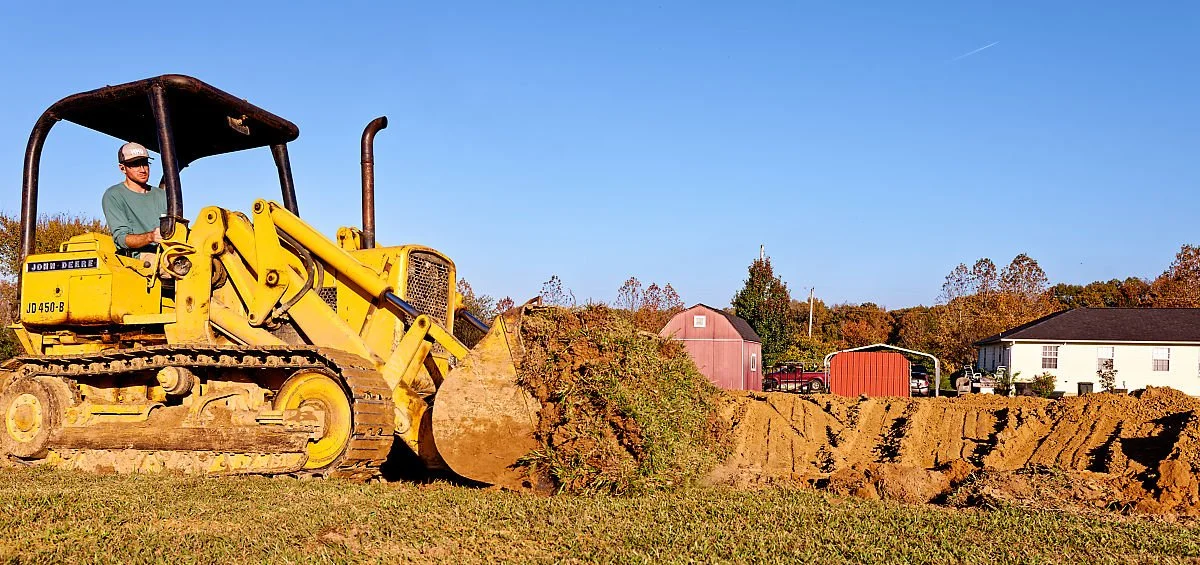
TOPSOIL: You may simply know it as dirt, but it’s not so simple. Topsoil is a rich layer of organic material and is the first material you will unearth when in the valleys of central Arkansas. This is most often a dark brown color, and sometimes a nearly black color, when freshly excavated. Depending on the previous life of the area, this layer may be a few inches deep if it is wooded or higher ground, or it may be a few feet deep if it is old pastureland or bottomland. This dirt must be treated with great care! If topsoil is turned over too much or in the wrong manner, the moisture will evaporate and leave behind dust. When exposed to rain and wind, the dehydrated topsoil will simply wash or blow away and leave you with an unhealthy, unfertile ground. It may be years before the ground can even grow grass again without significant work. In fact, this was one of the leading issues of the 1930’s Dust Bowl.
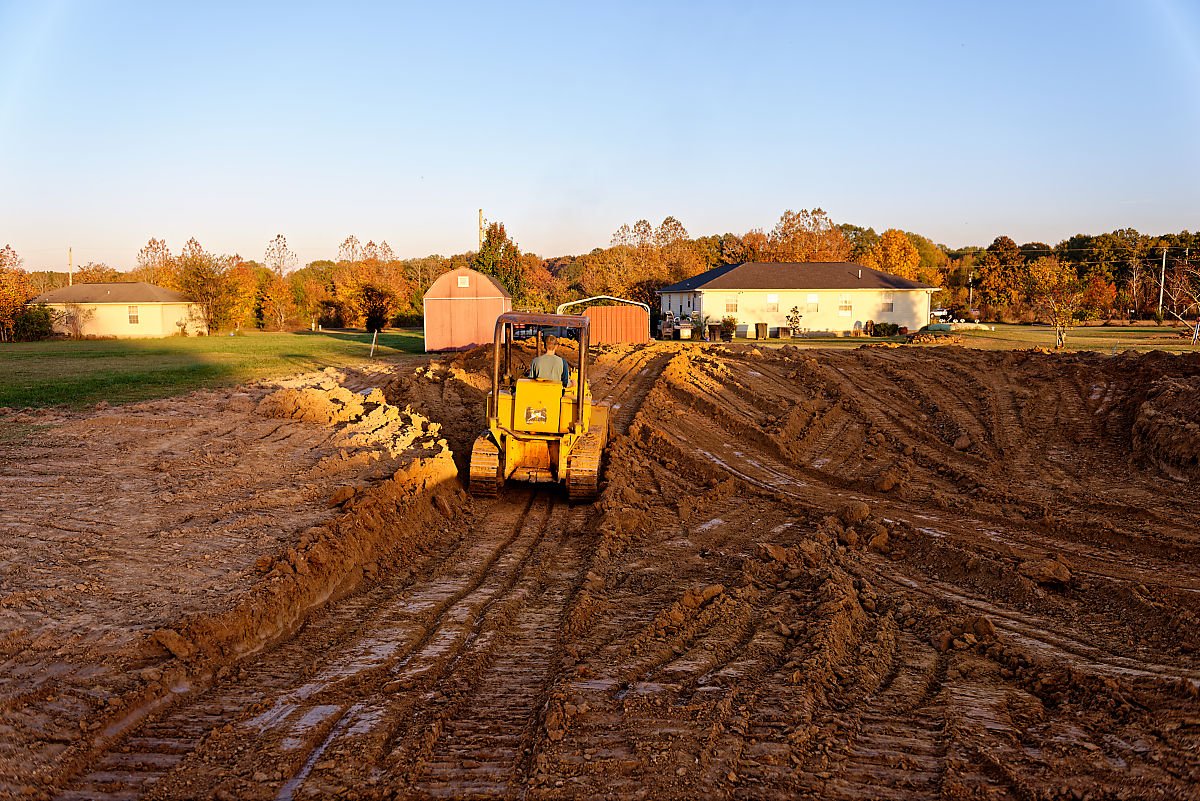
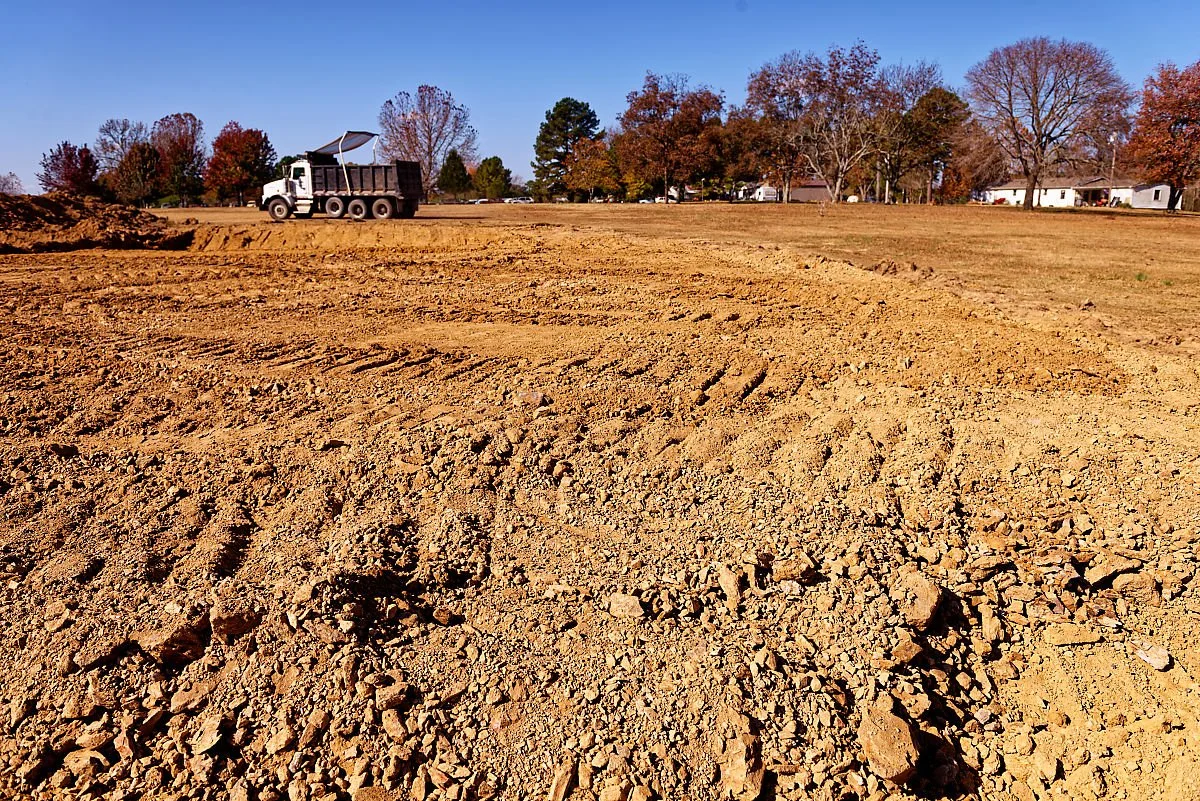
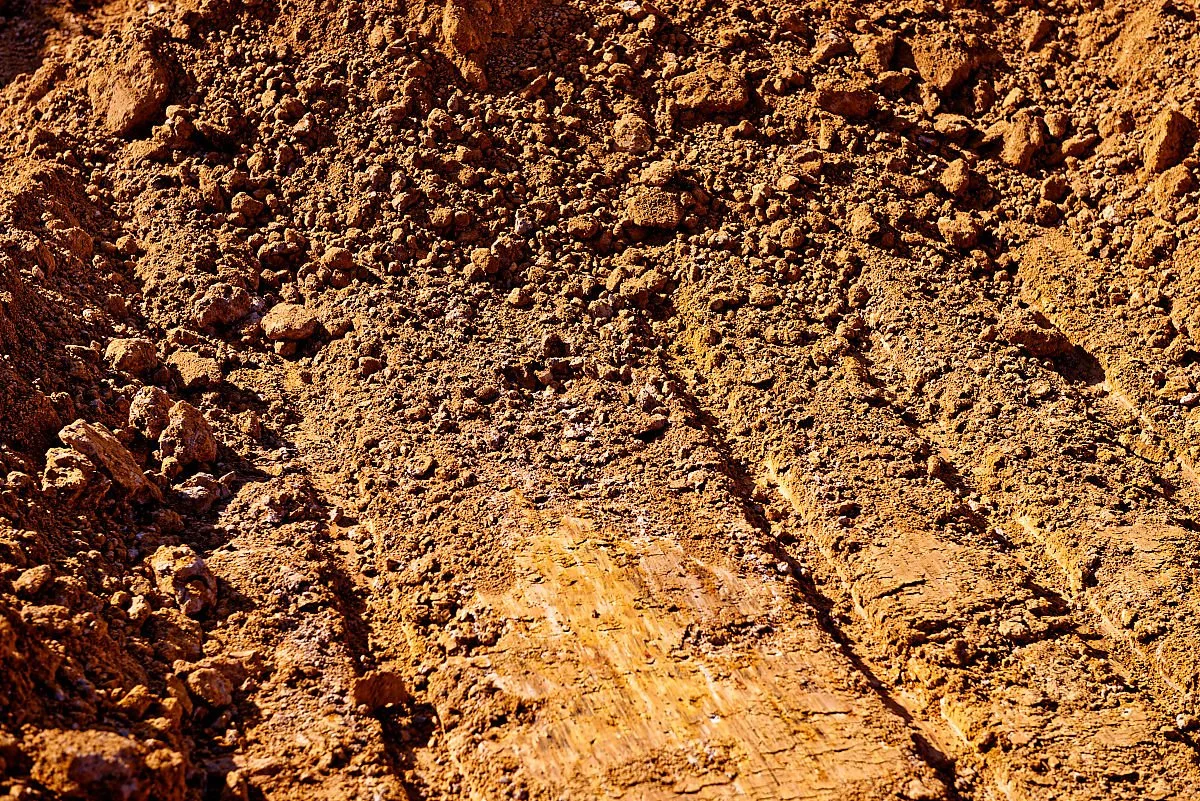
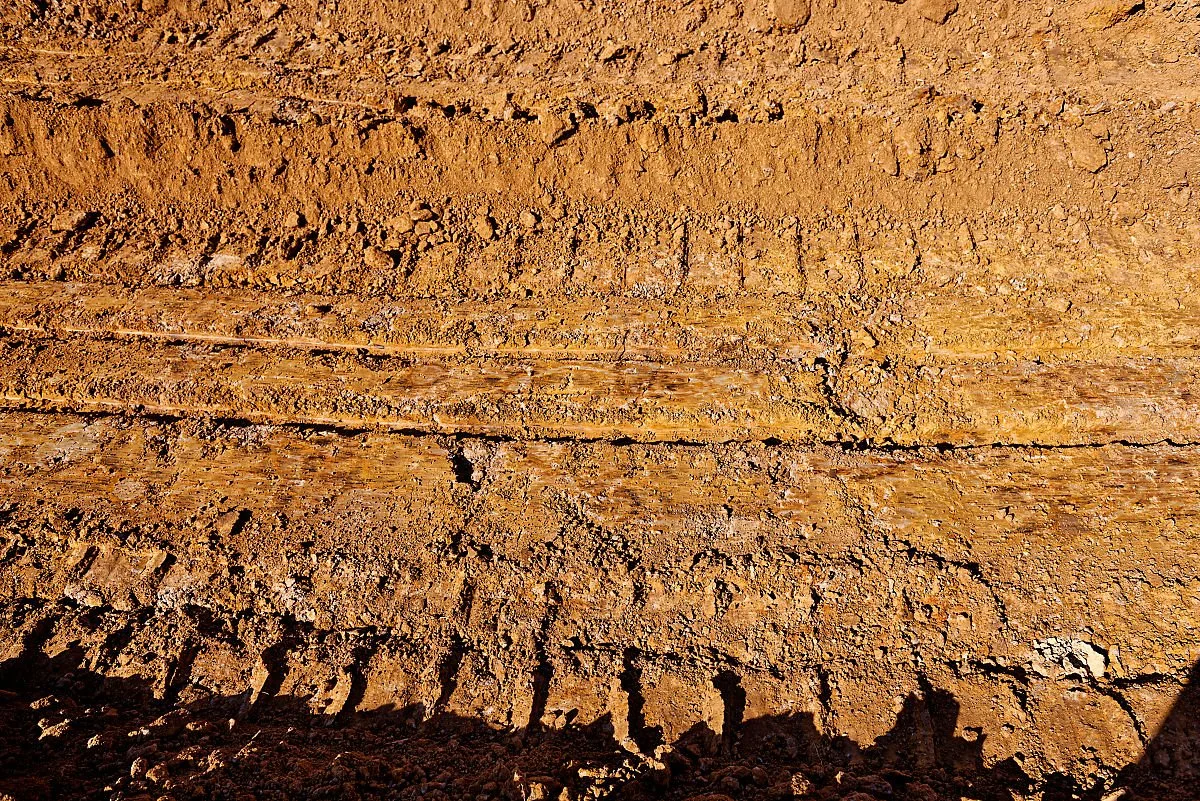
Clay: Just under the topsoil is a very useful and important layer of clay. Clay serves several functions under the ground, including holding down the water table and holding up the rain to provide moisture to the topsoil above. Clay will turn mushy, sticky, and very slick when wet. When dry though, it is extremely hard and can shrink and crack. It does not hold up well to ground pressure on its own, but when used as a sub-base material (the bottom layer in your pad) you will have a rock solid, stable foundation. As you are excavating, you will know you’ve transitioned from topsoil to clay when the color turns from a dark brown to a light brown, almost tan.
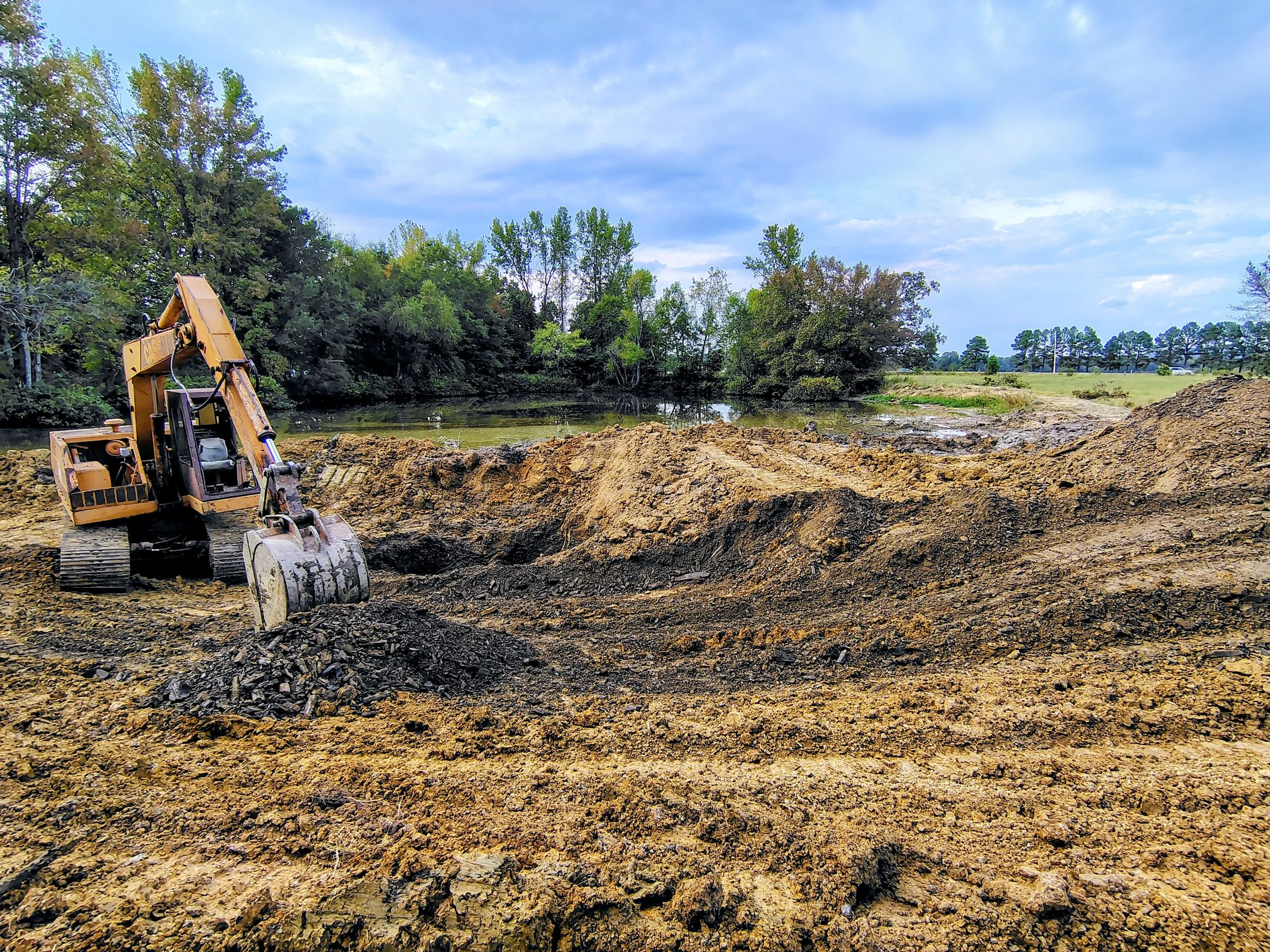
Shale: One of the most commonly transported materials in central Arkansas is shale, and this is because it serves a critical function in any base - an interlocking and compactable/crushable rock. Shale exists a few layers below the clay. You will have transitioned from a light brown clay layer to a calcium rich blue/gray slick hardpan layer, then possibly another clay layer with a marked increase in aggregates, then finally shale. There are various colors of shale that may be found in veins, ranging from brown to black to blue. The black and blue shale is often more desirable, but more for its aesthetic because all serve essentially the same function. When placed down on the clay base, shale can be crushed and compacted into a firm and stable layer.
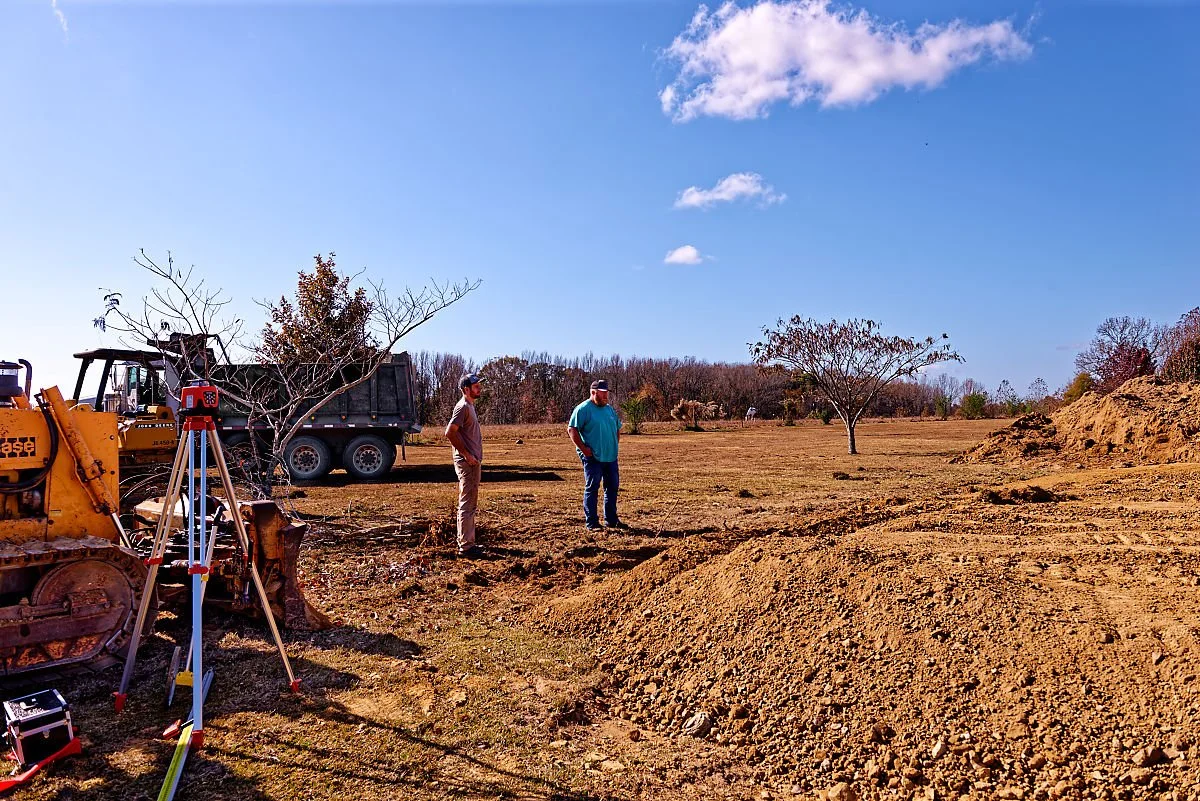
If your property allows for harvesting materials on-site, this can save a considerable amount of money. Removing a dump truck from the equation will require more time and effort, but the transportation cost of material is reduced greatly.
The Process
Topsoil
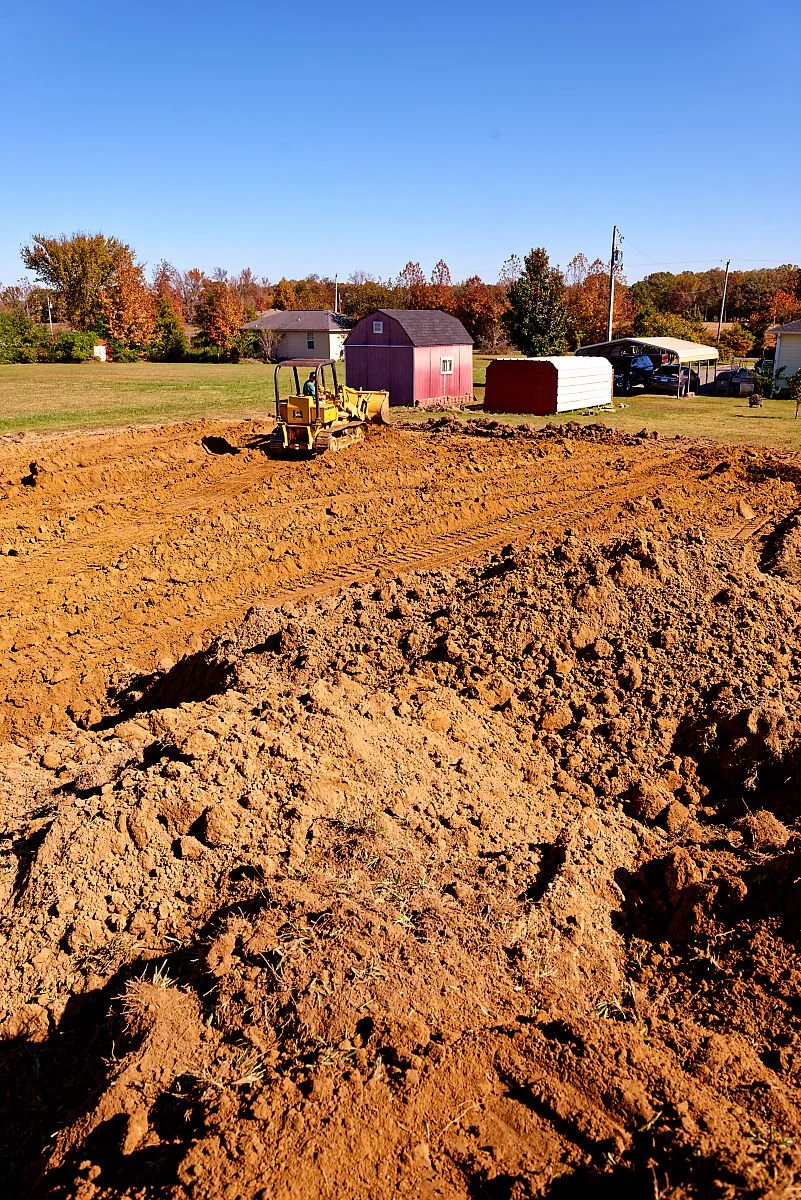
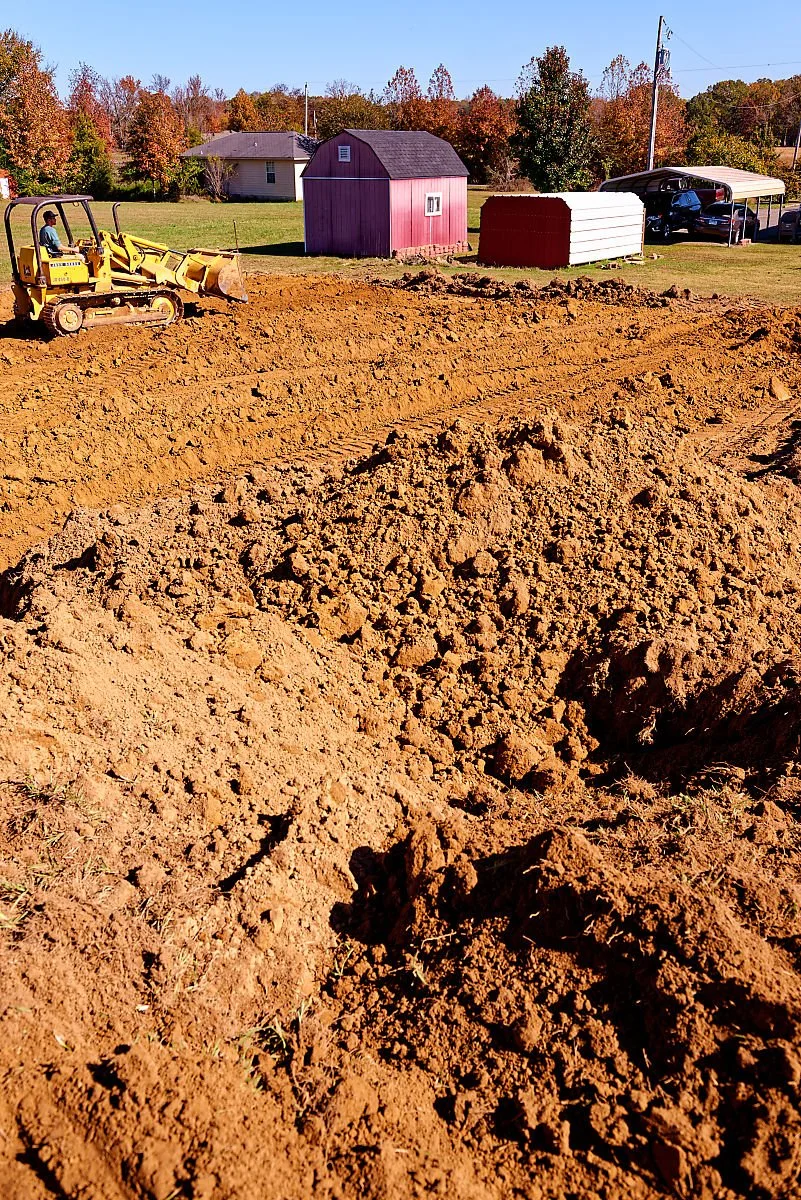
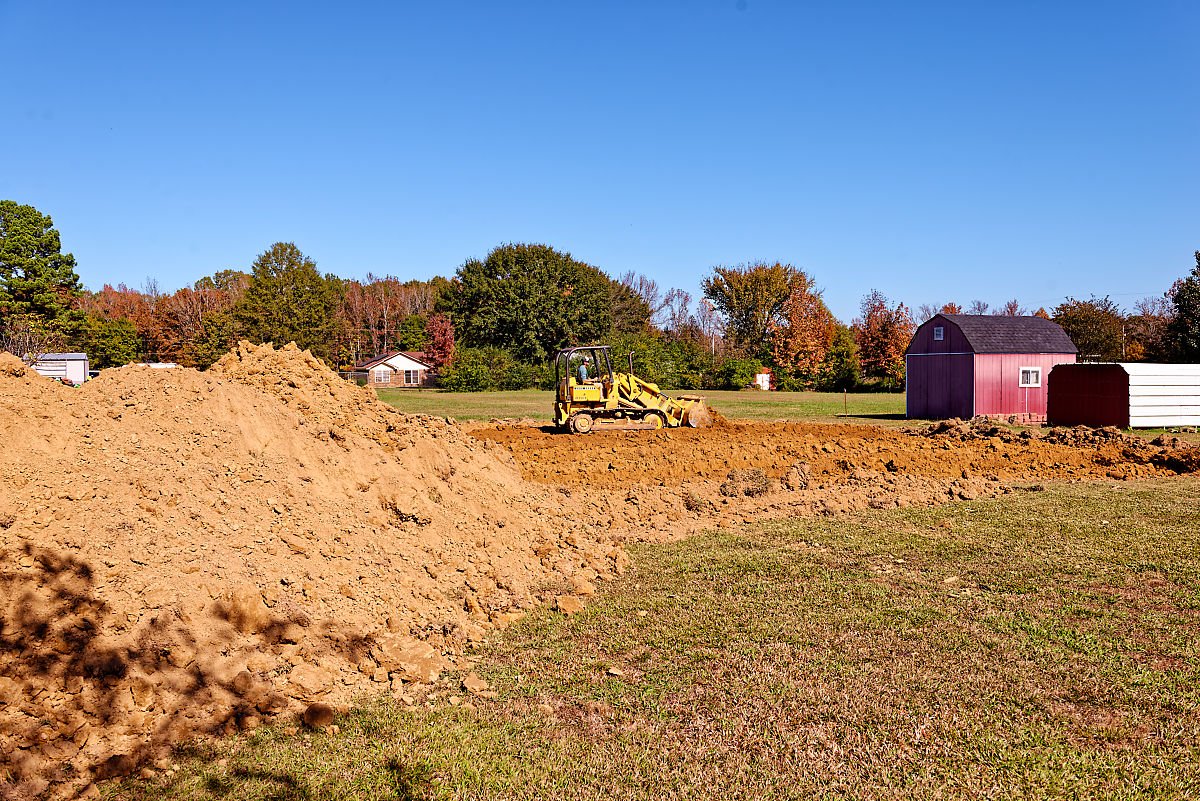
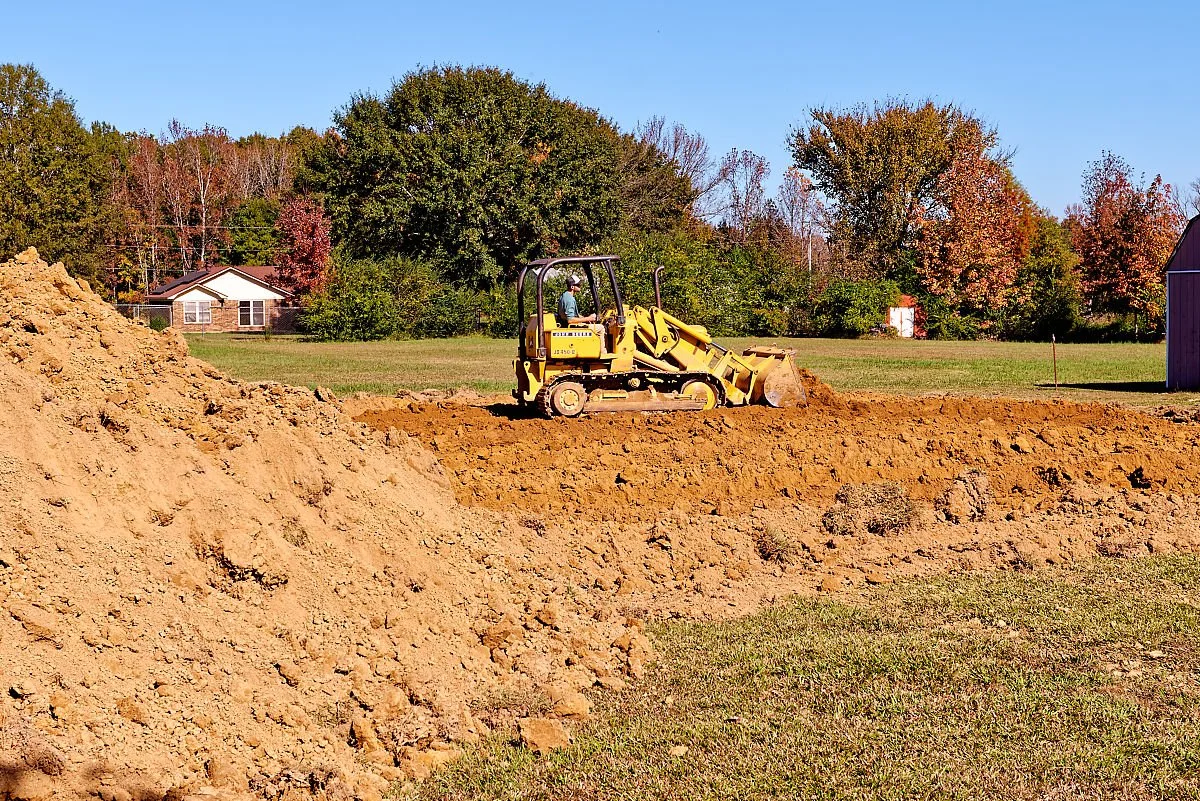
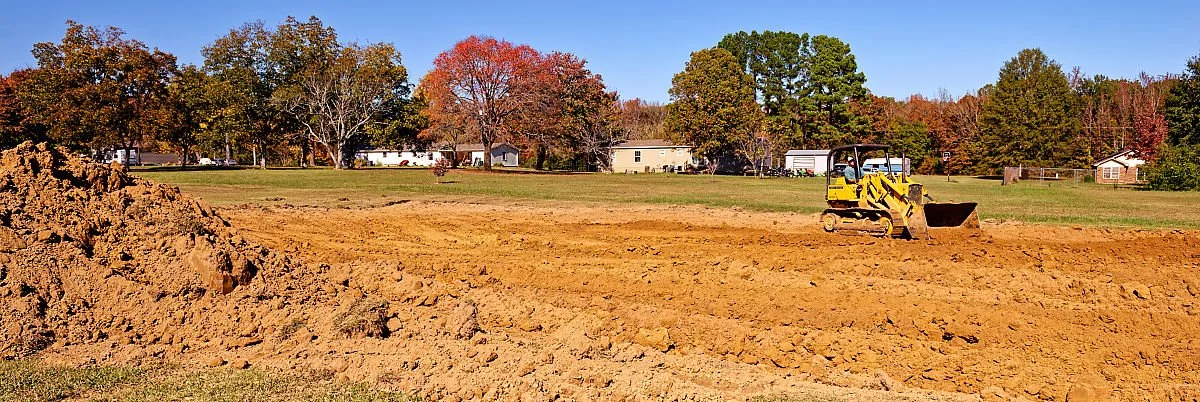
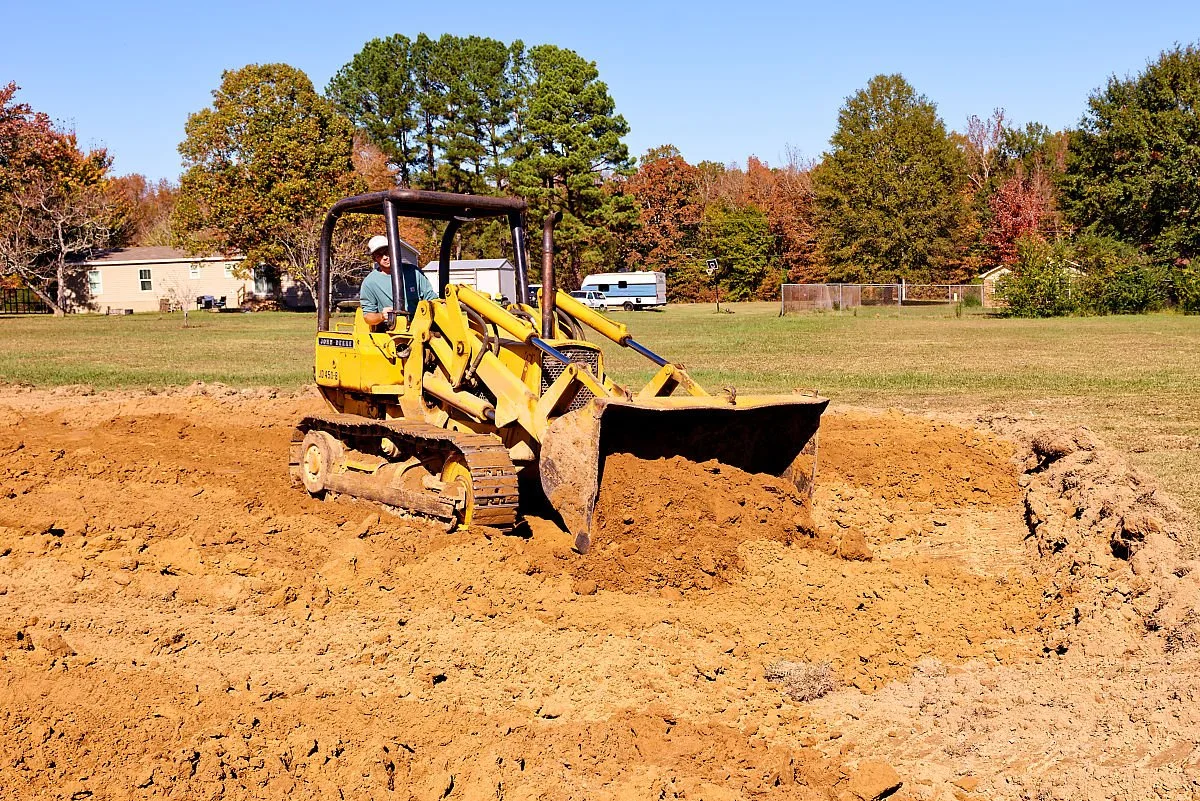
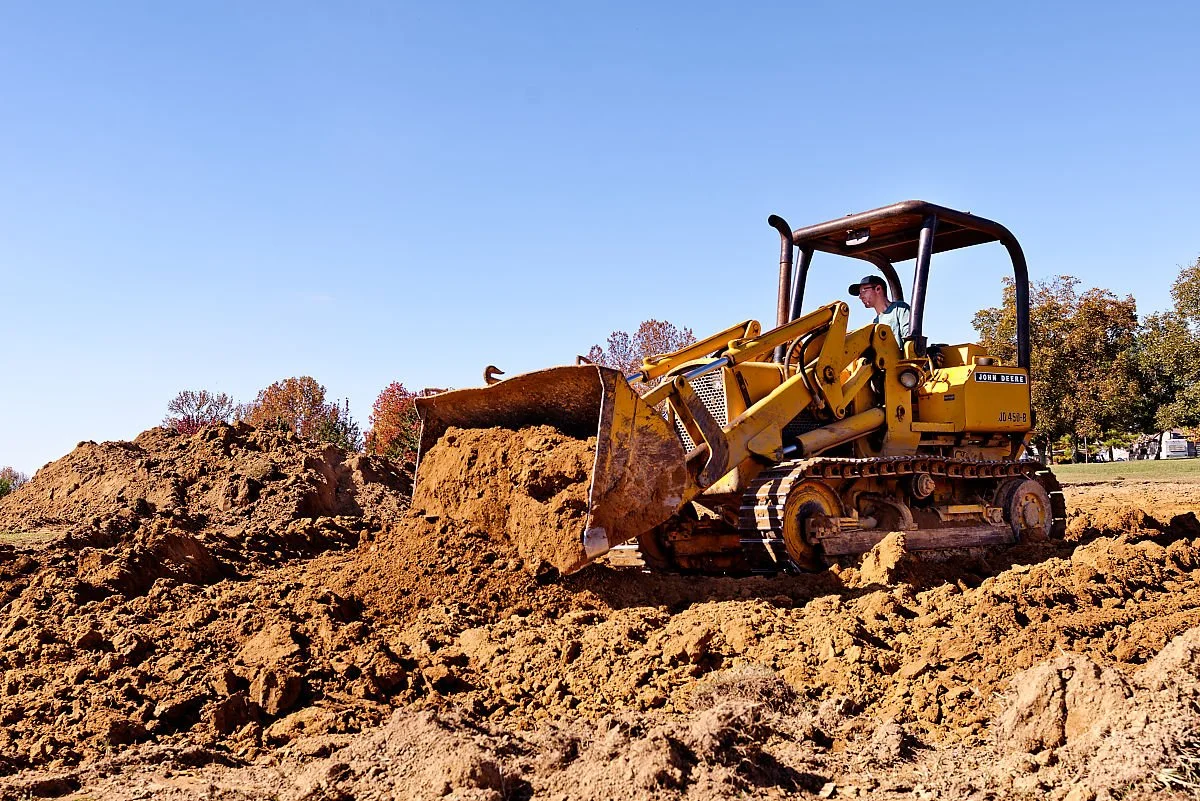
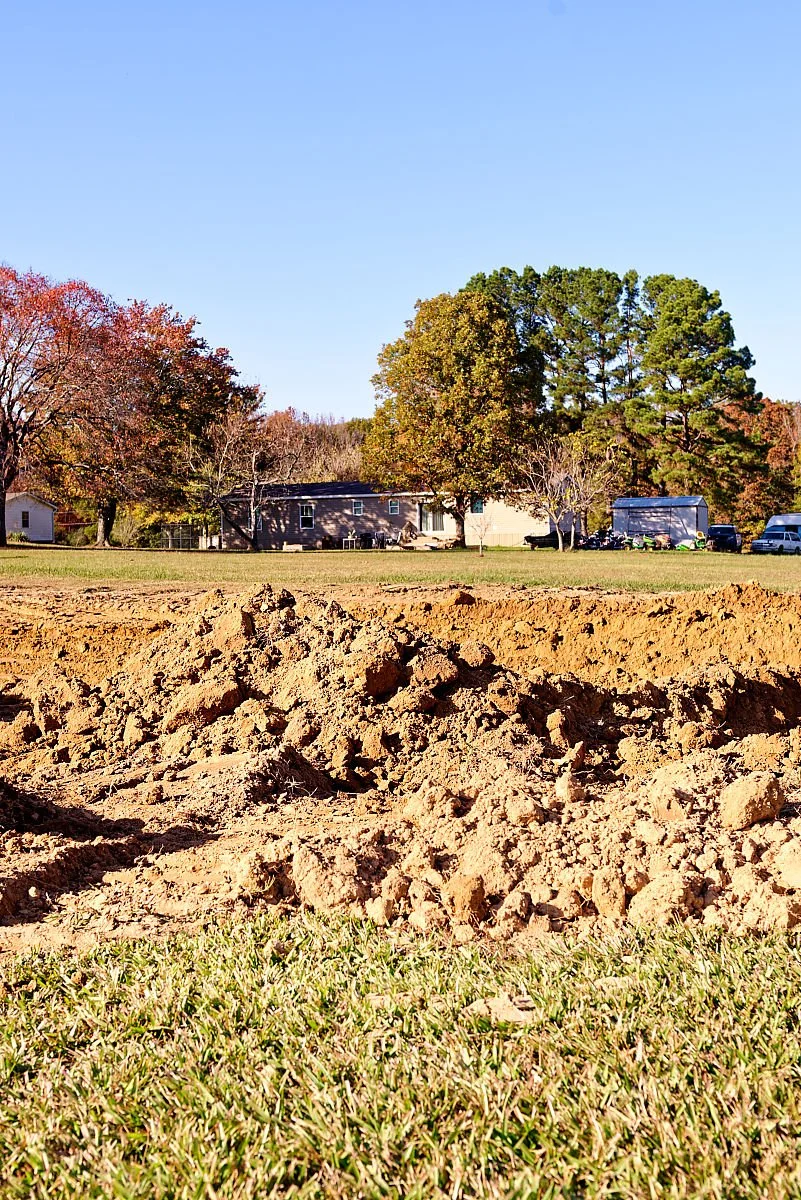
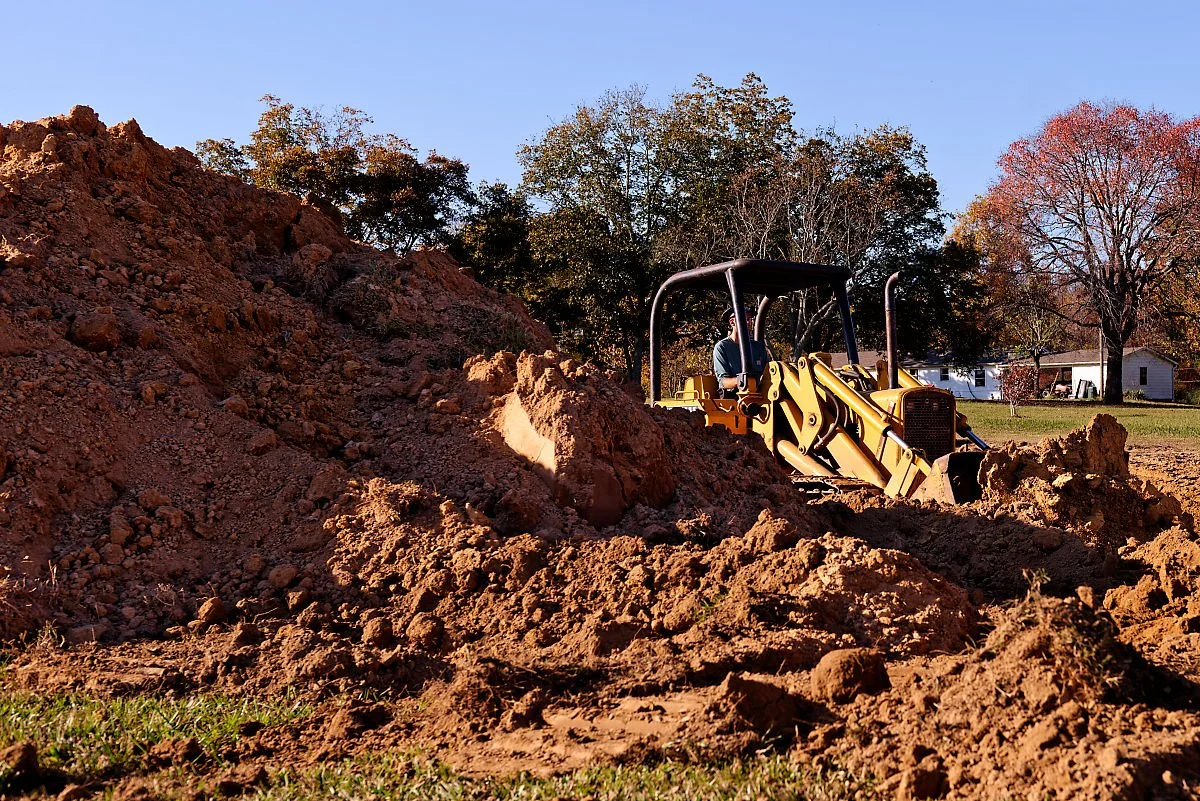
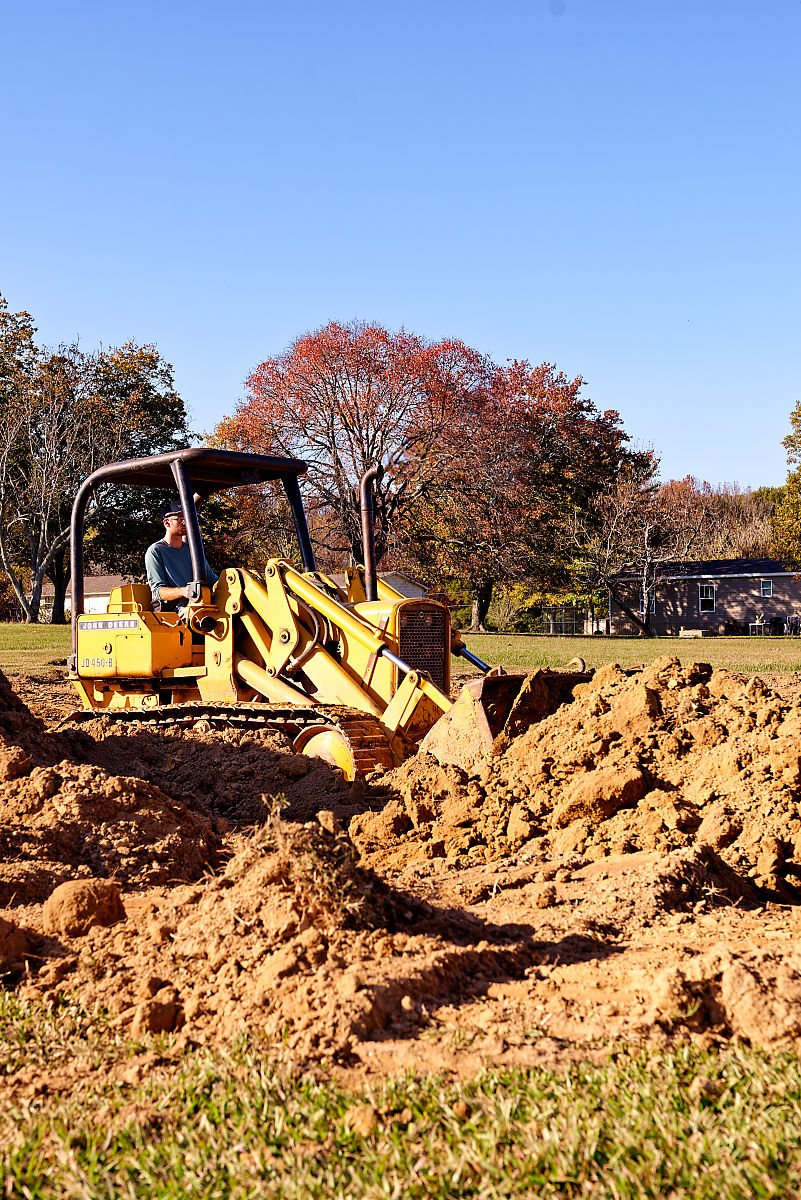
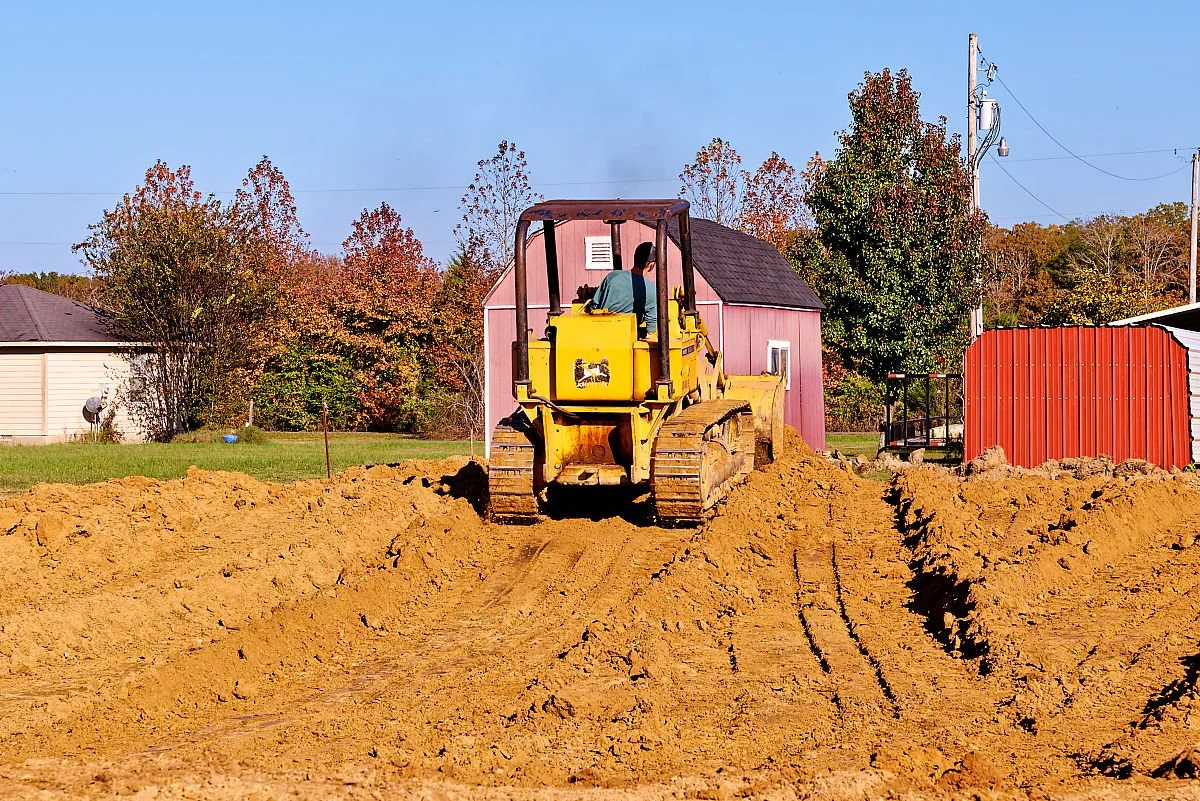
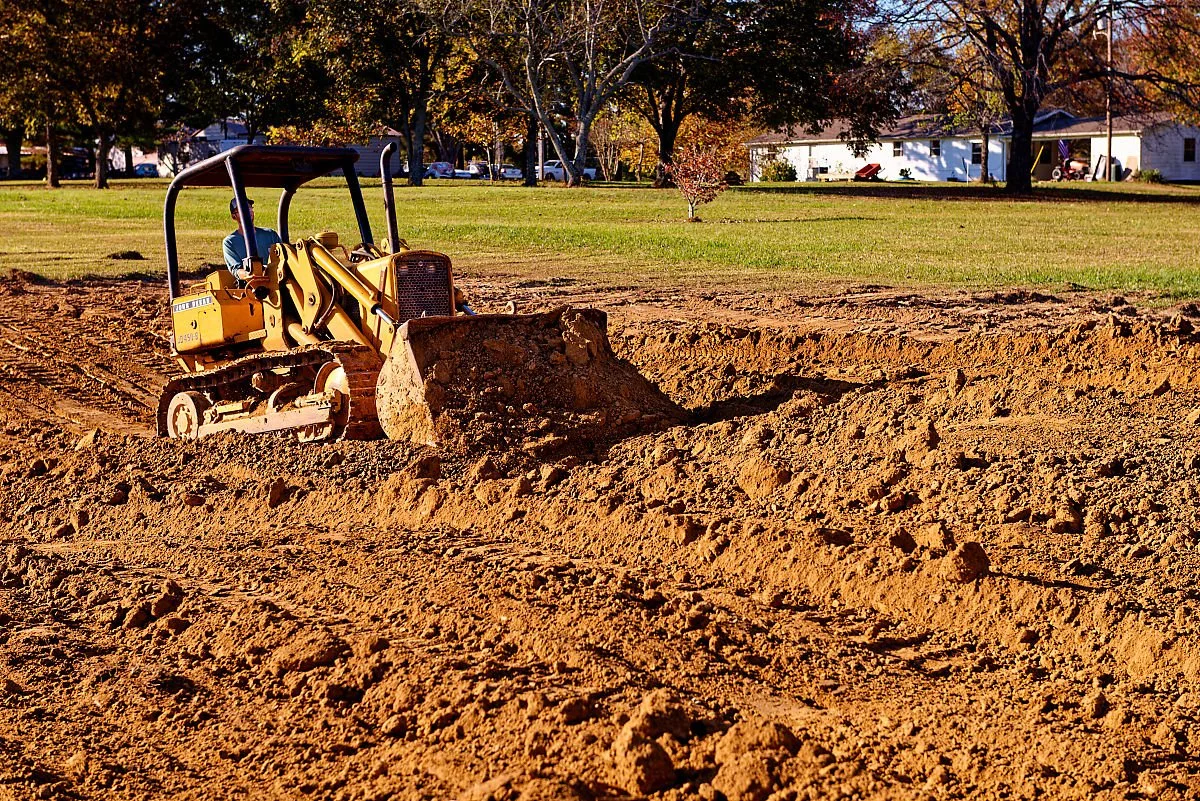
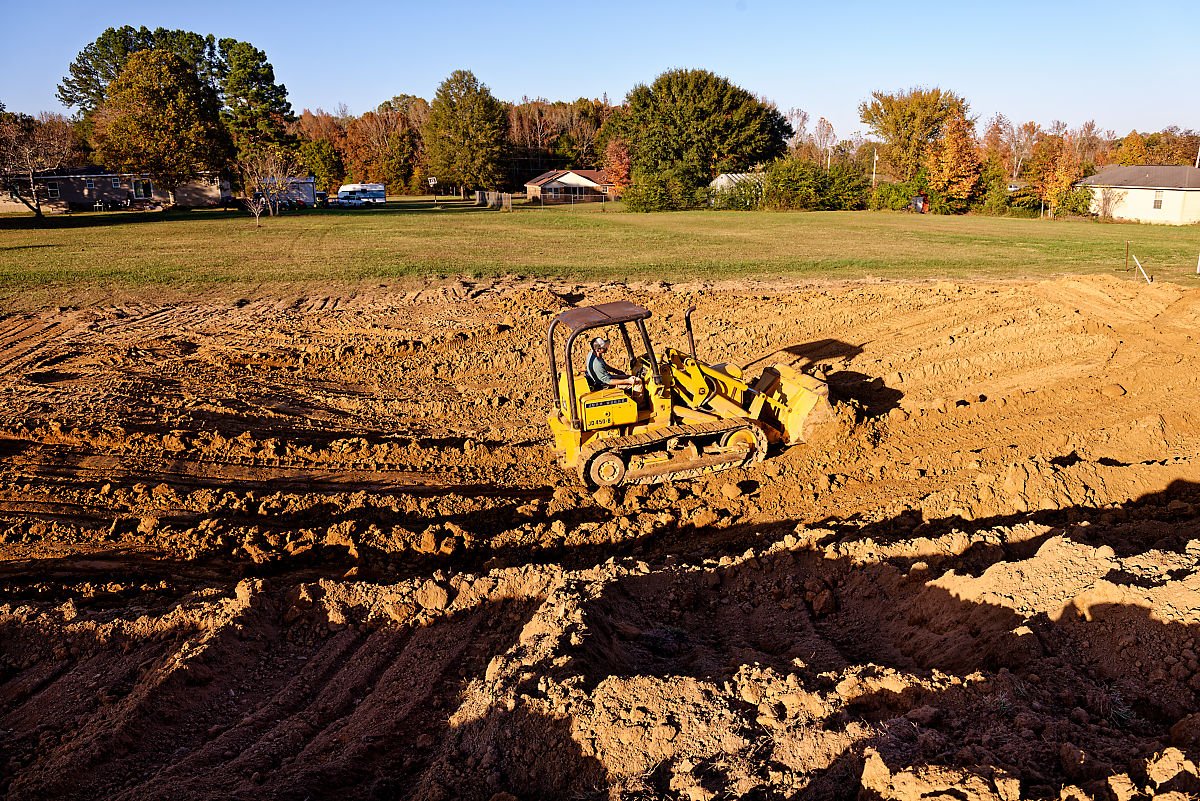
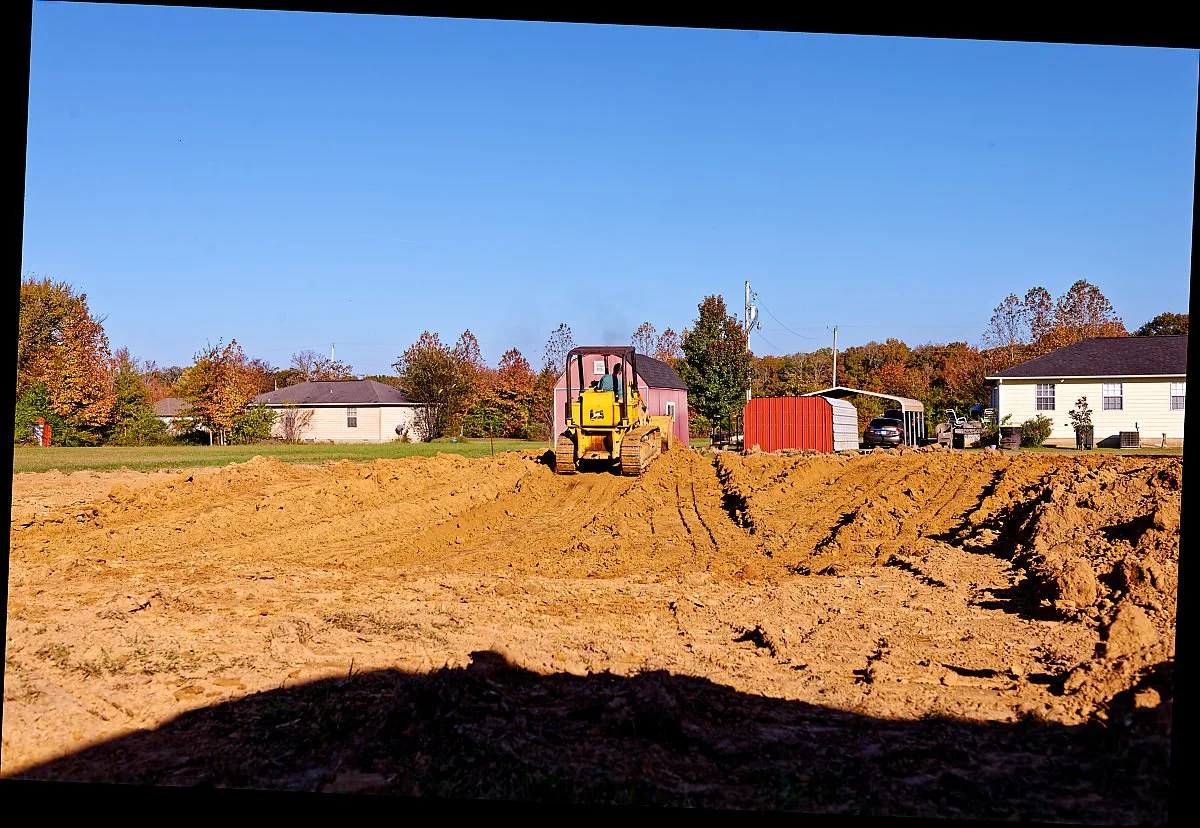
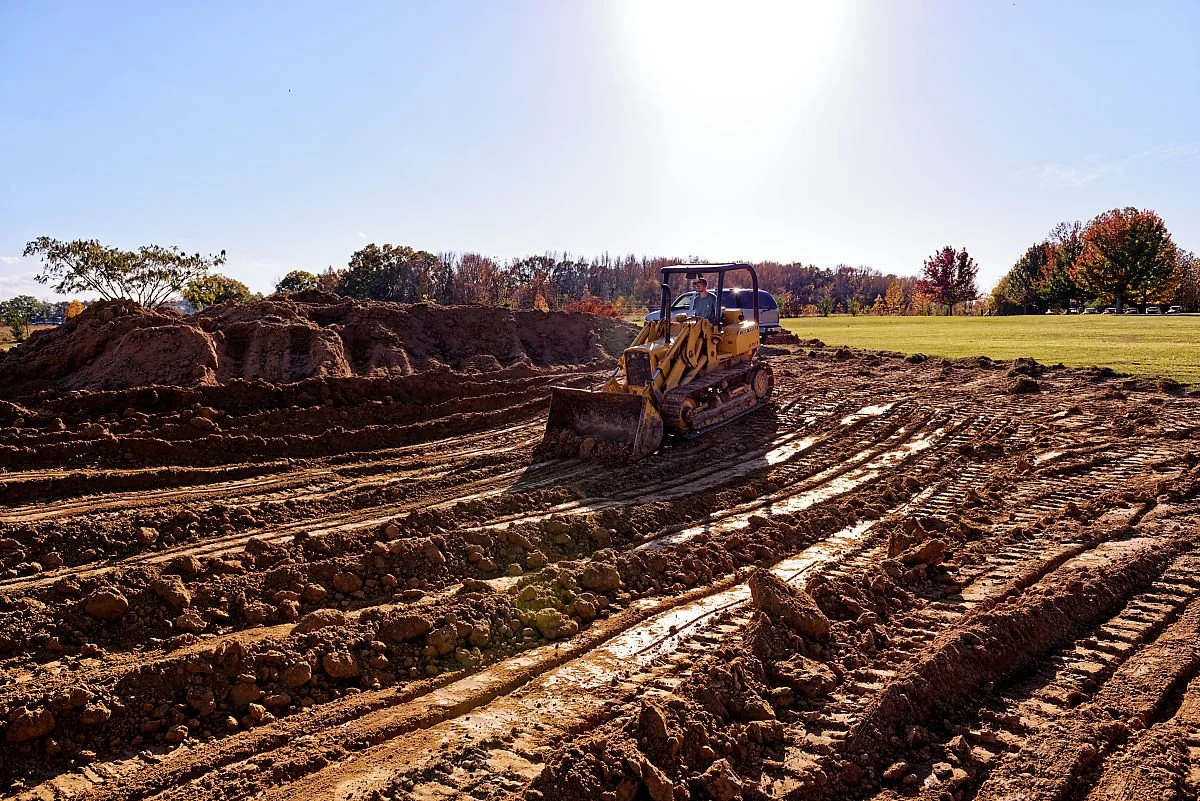
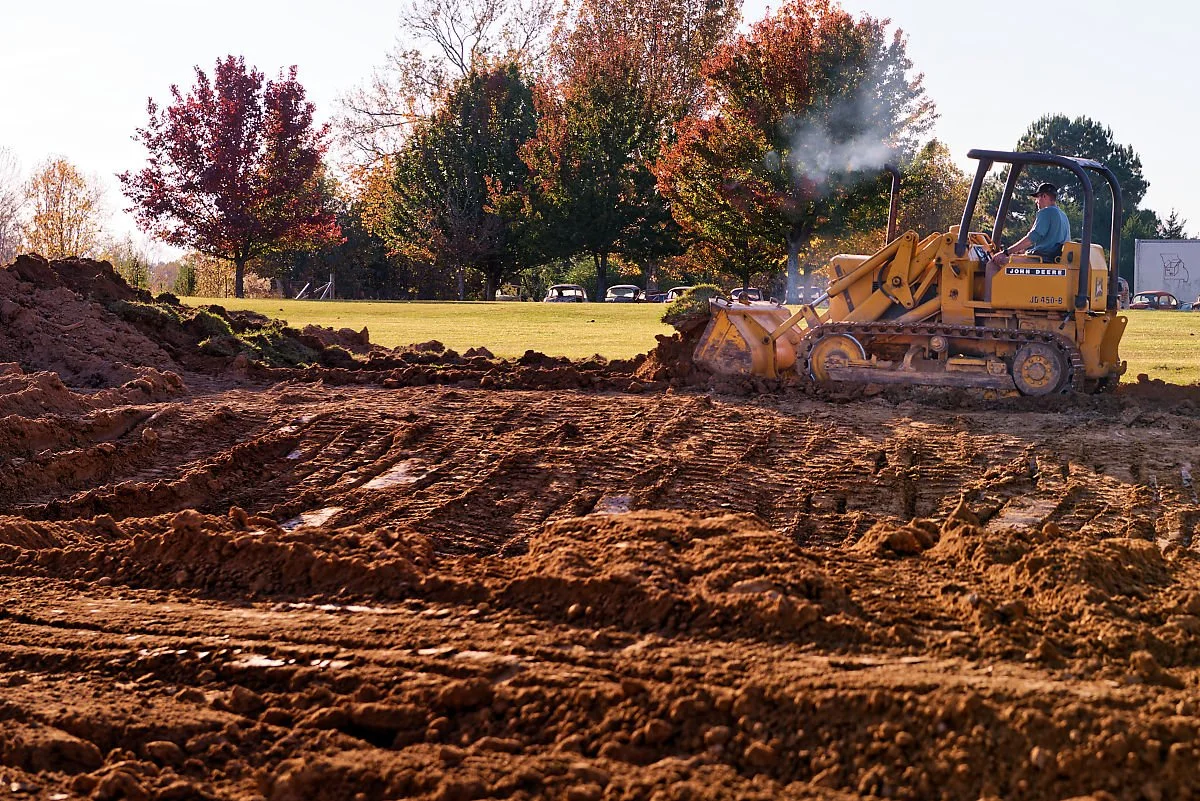
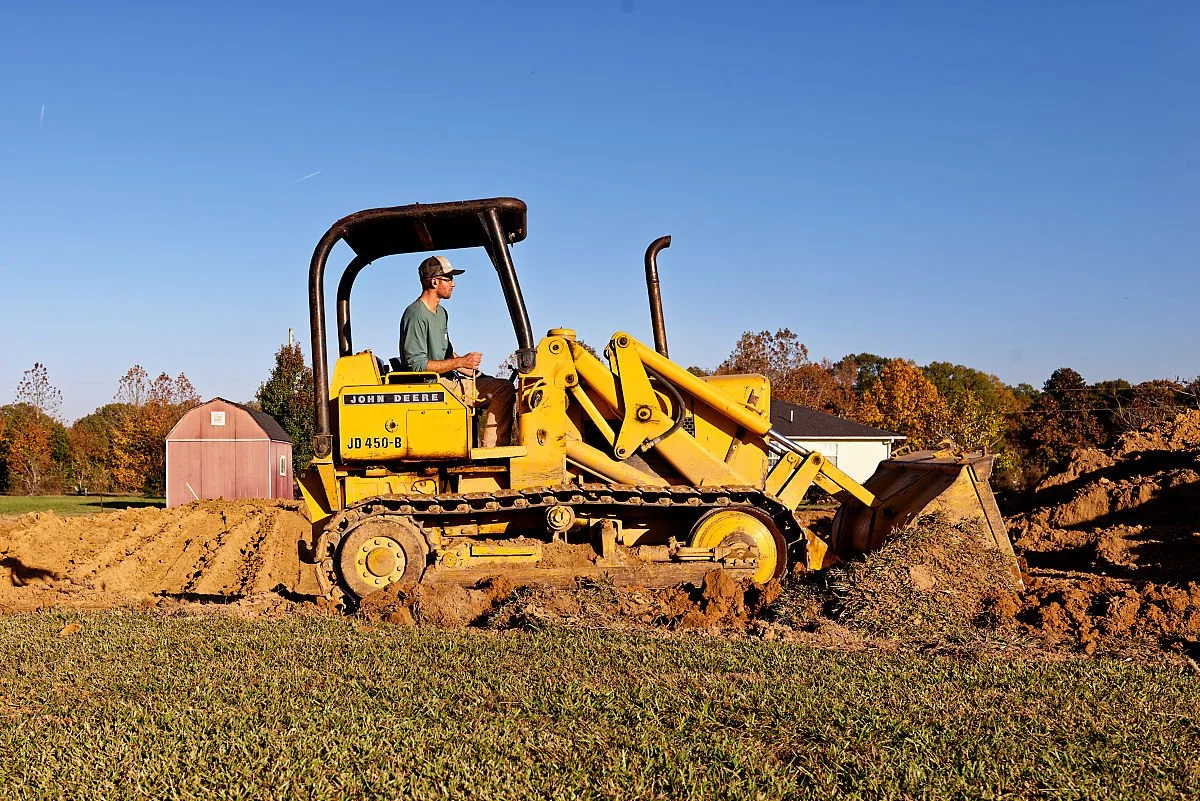
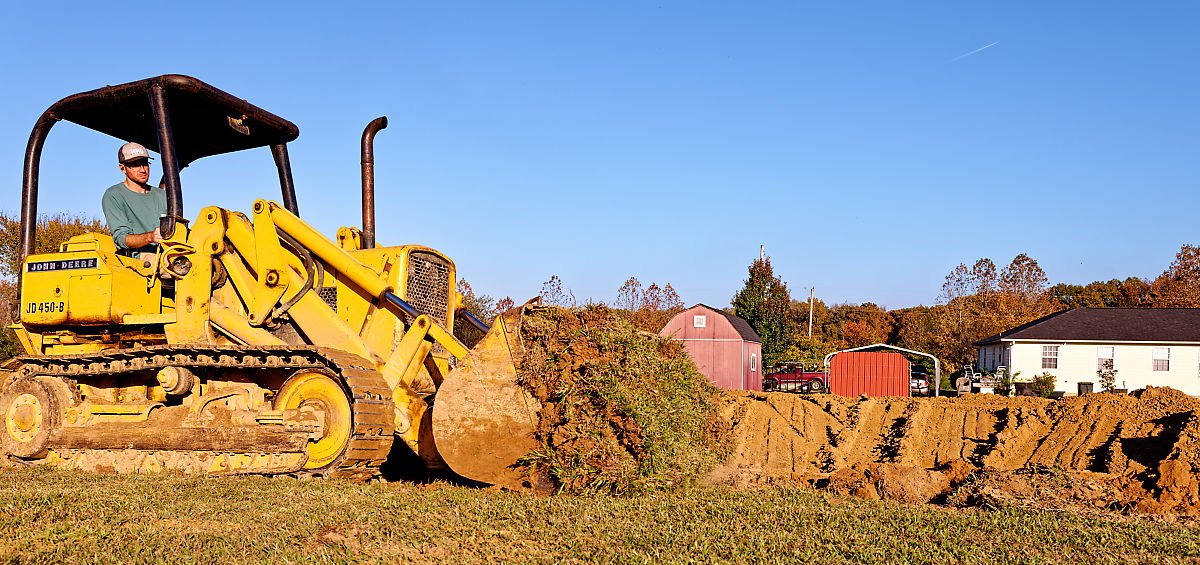
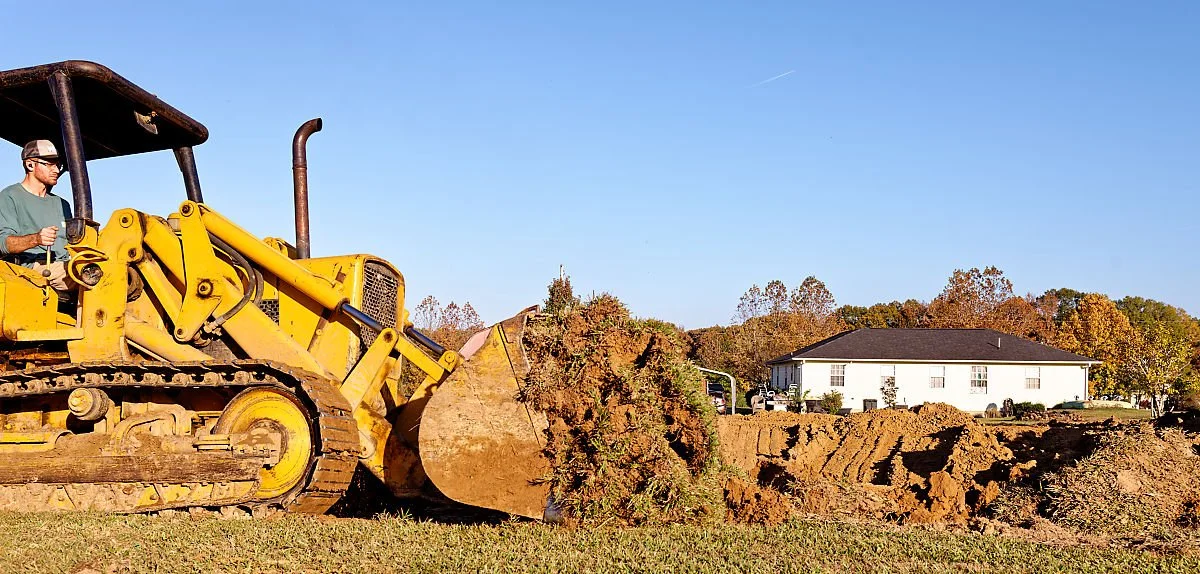
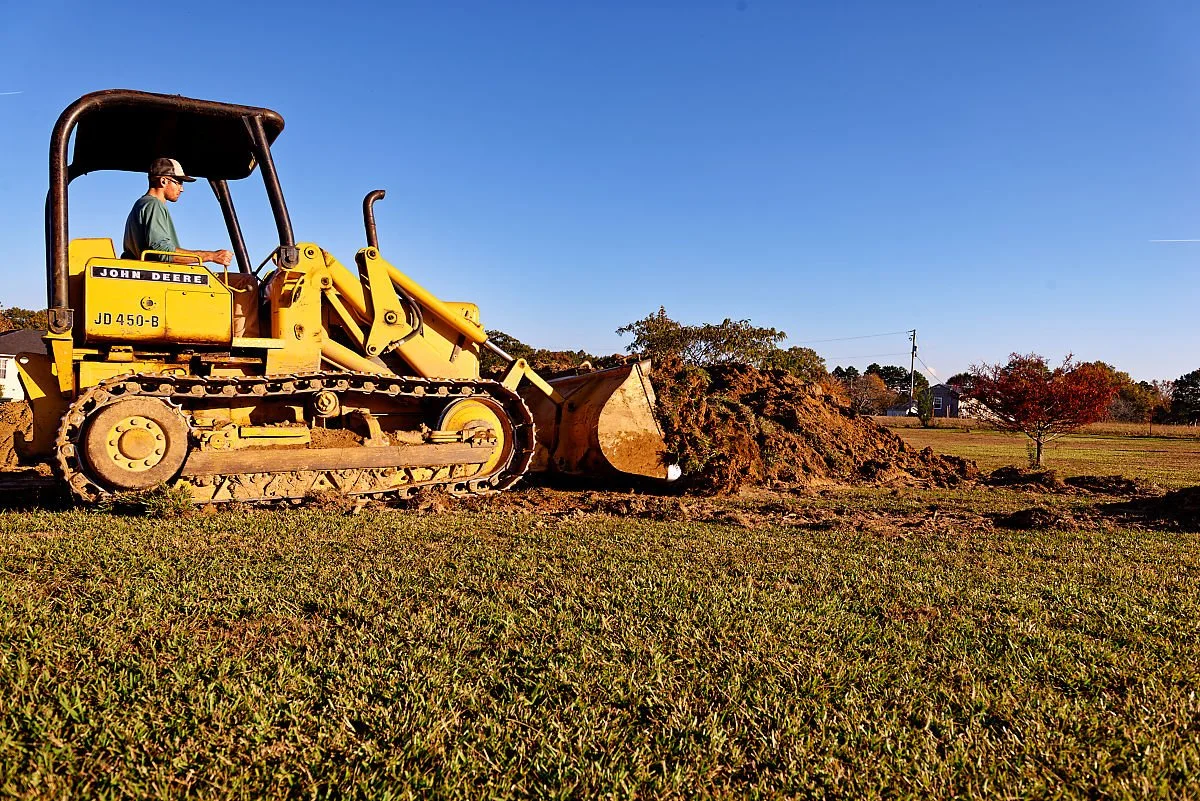
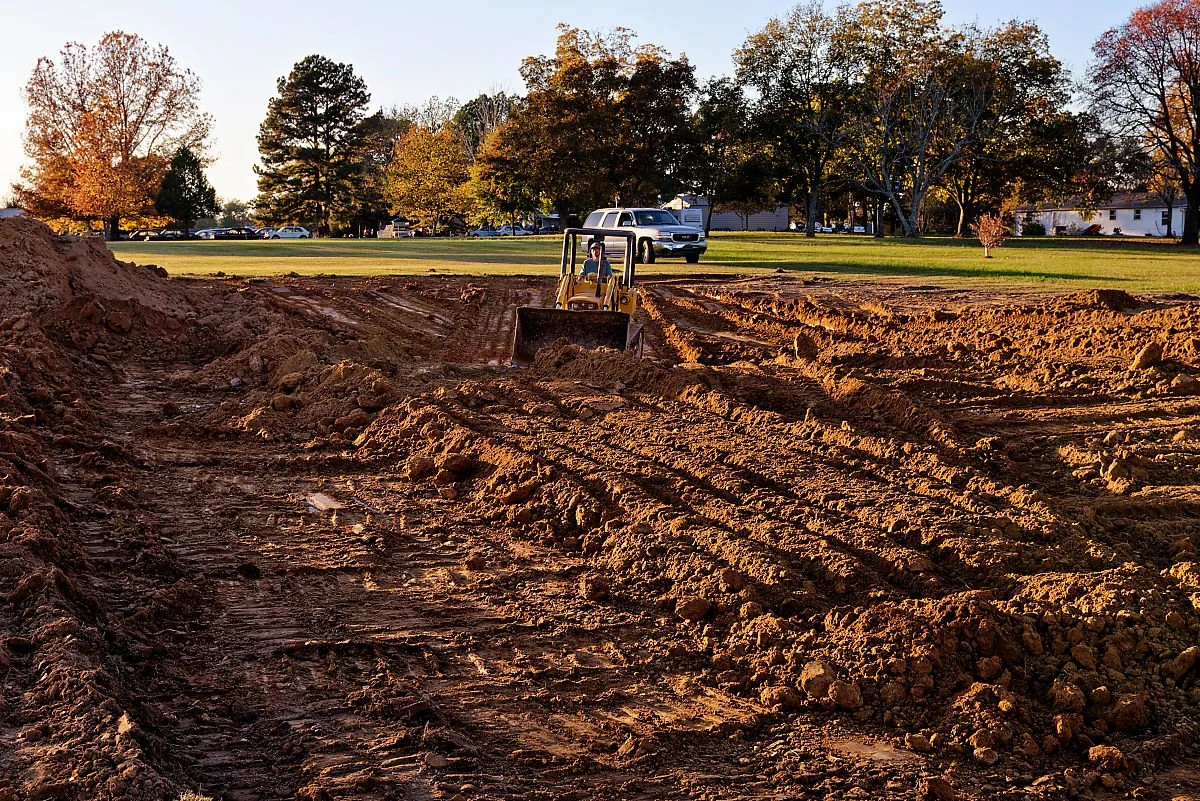
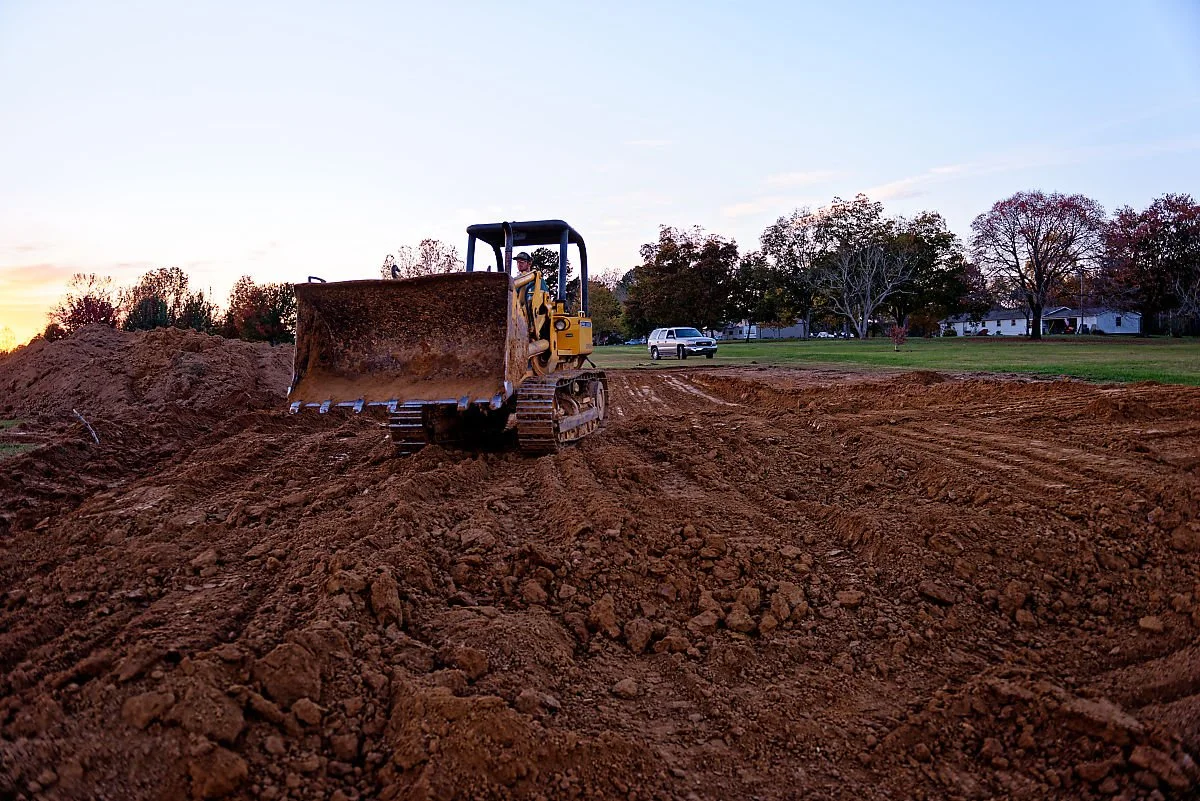
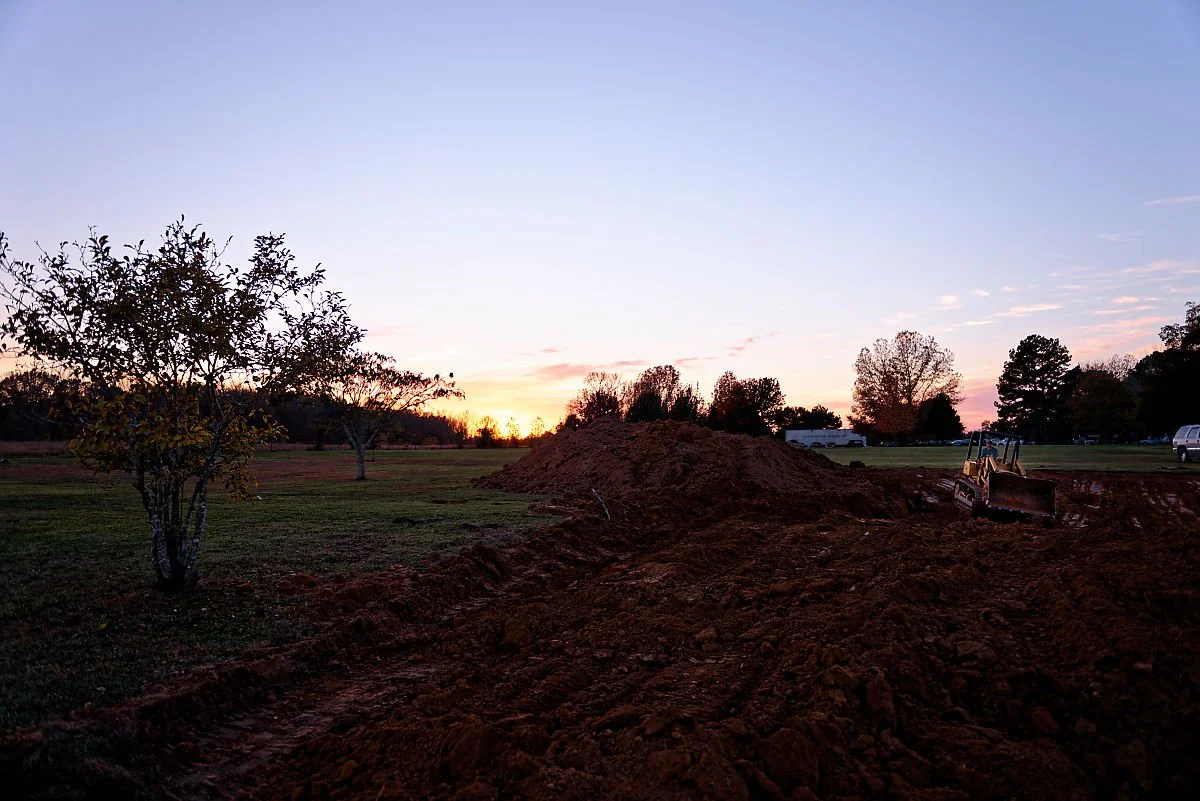
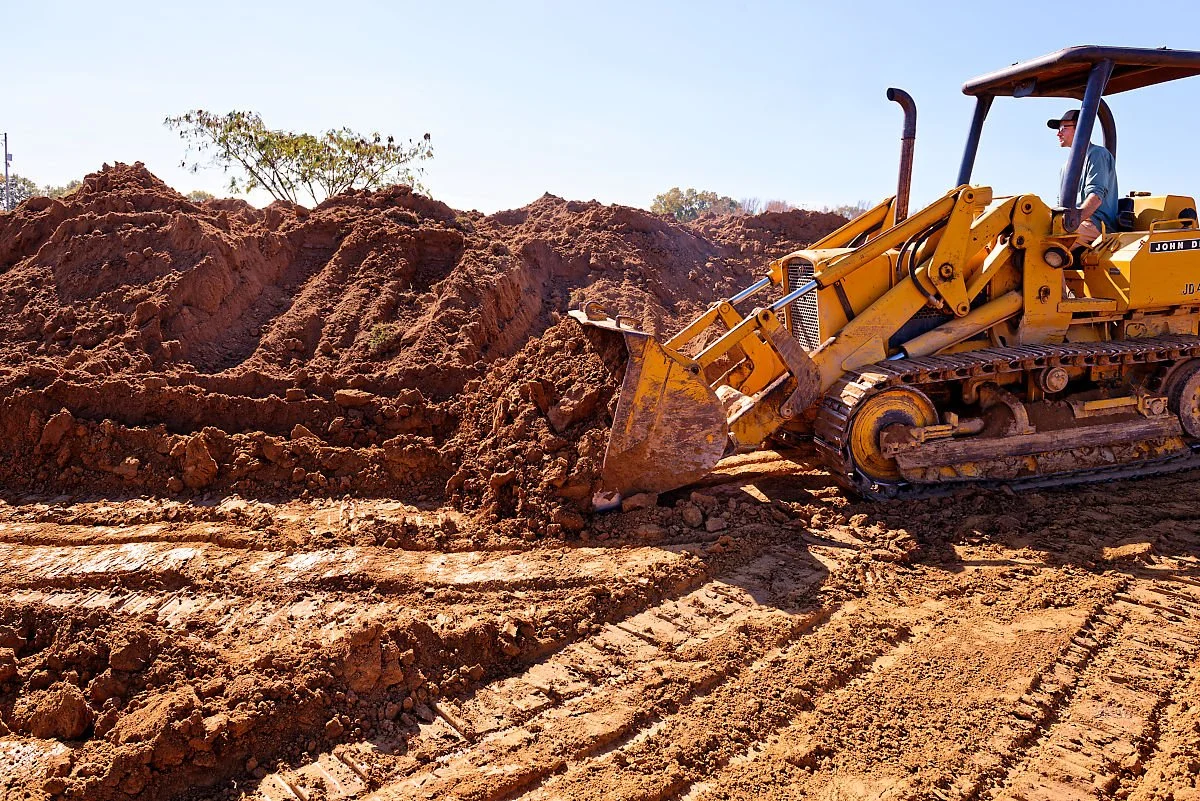
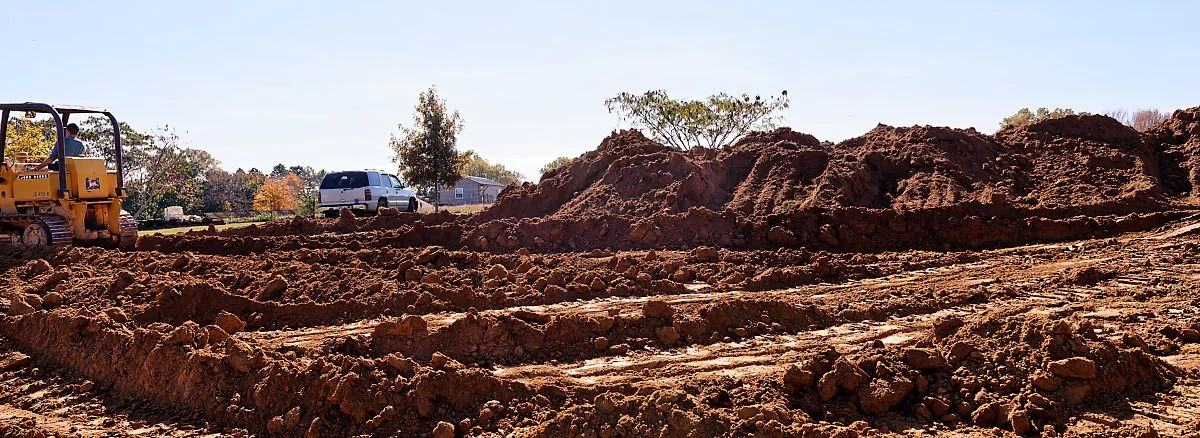
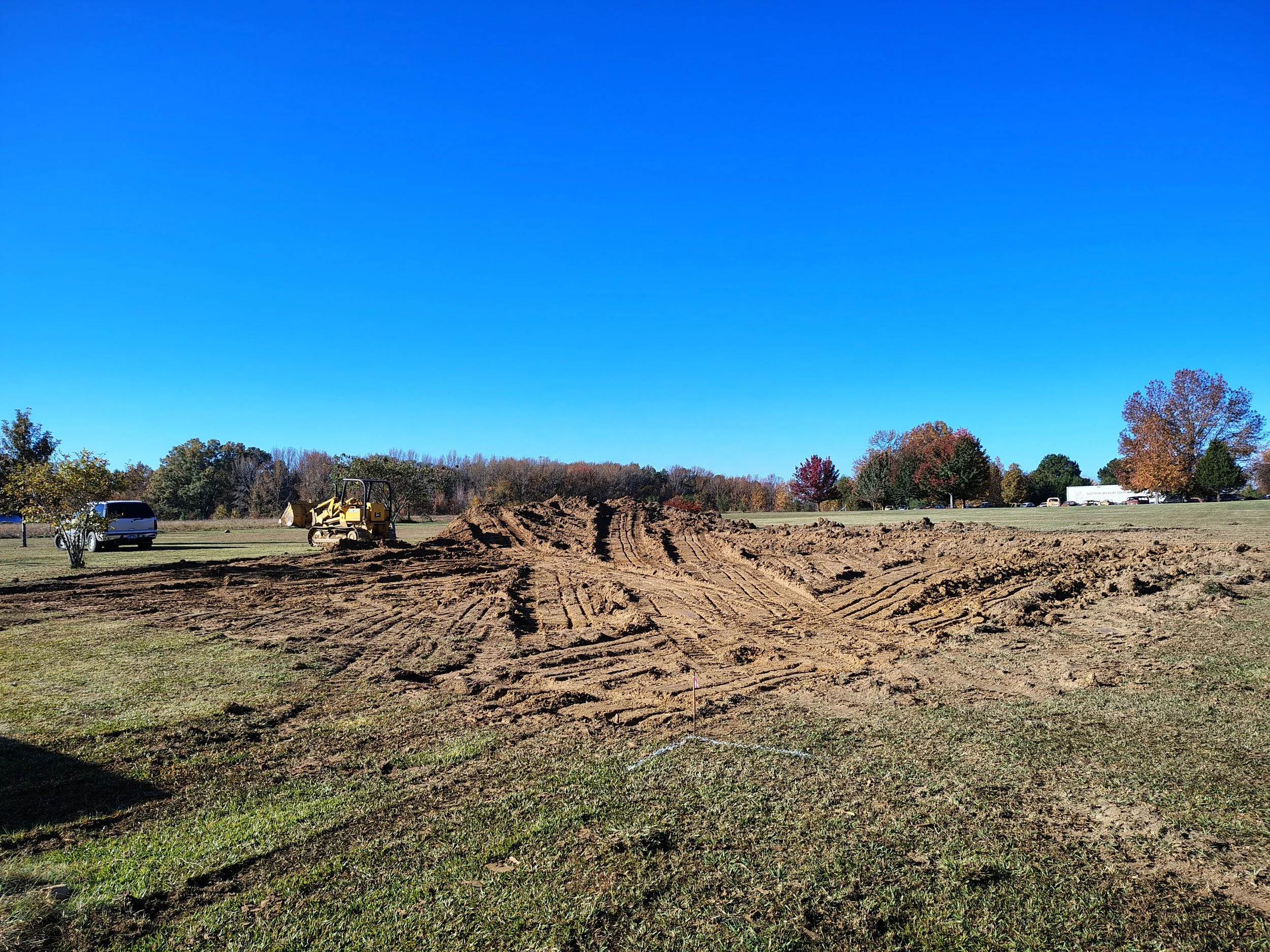
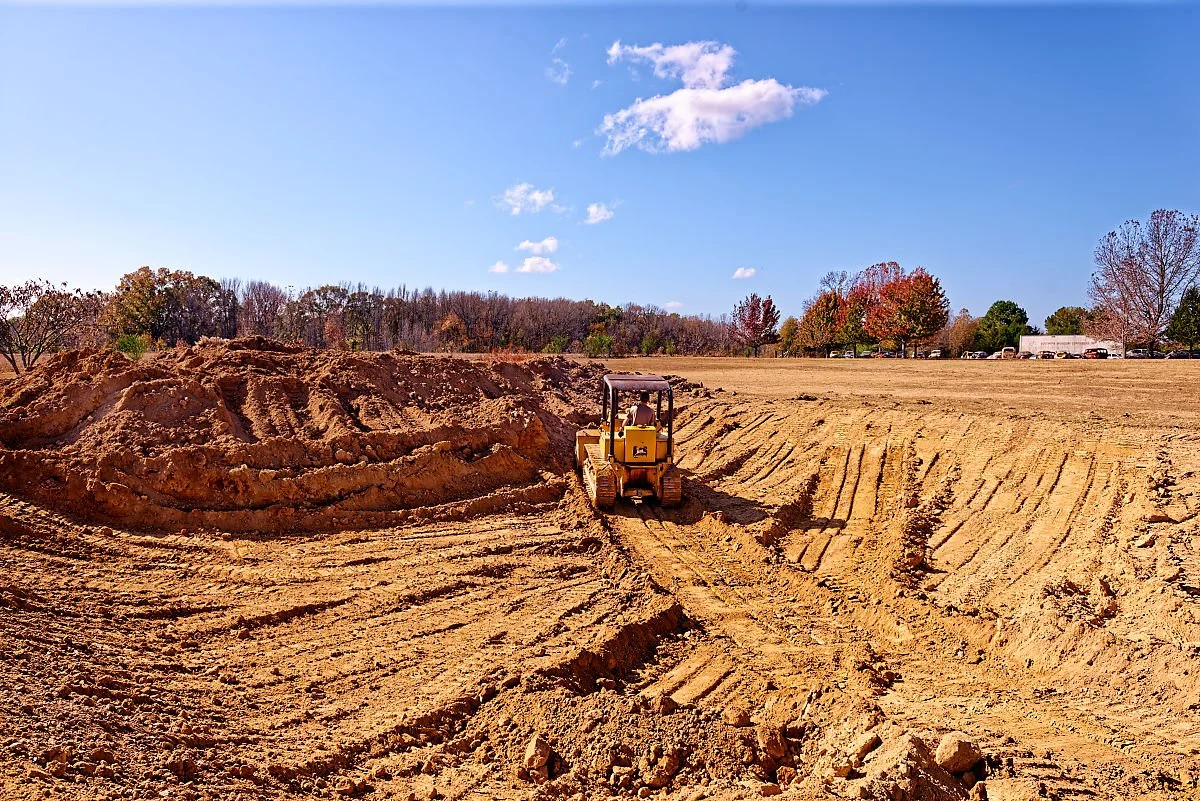
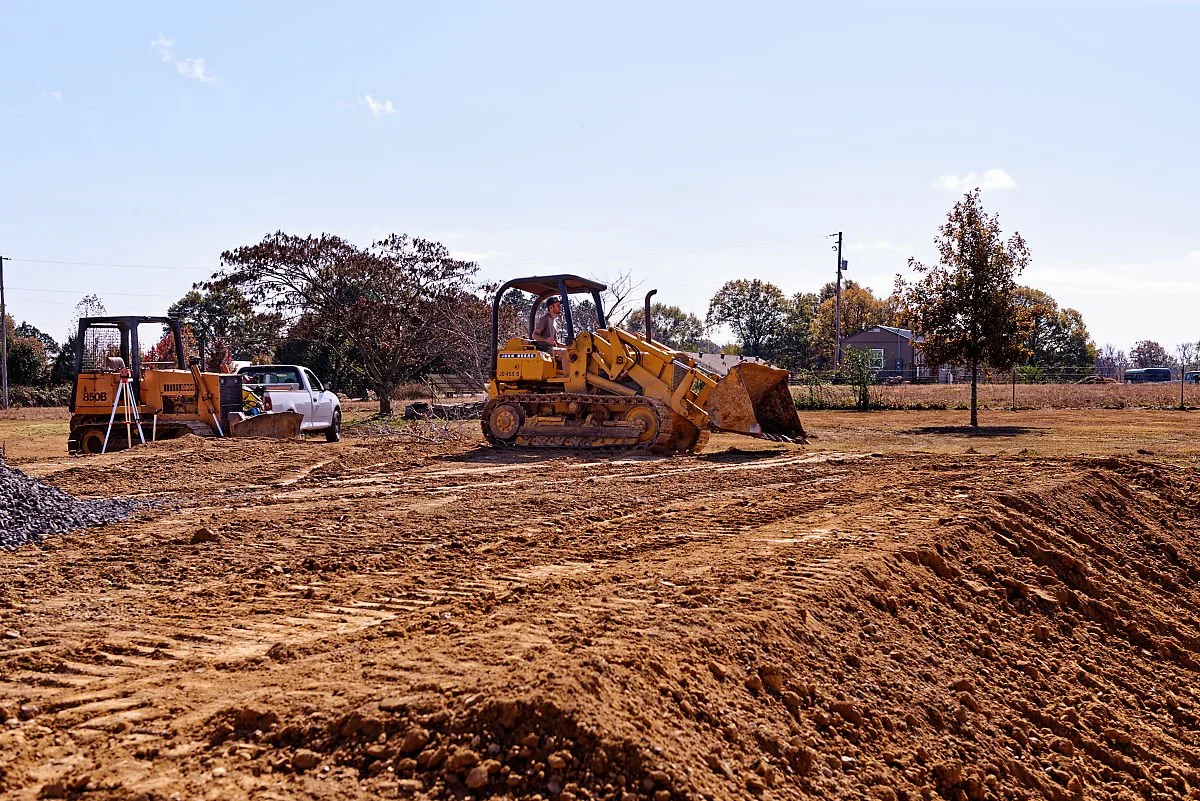
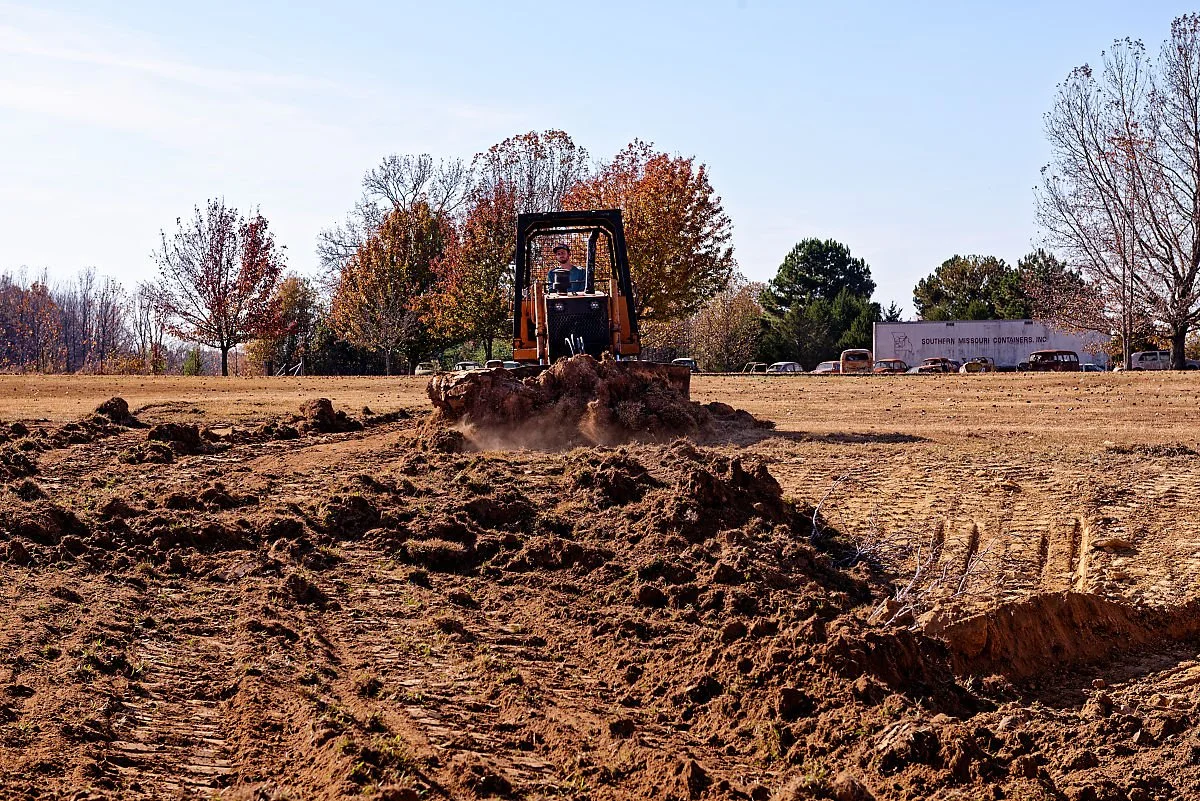
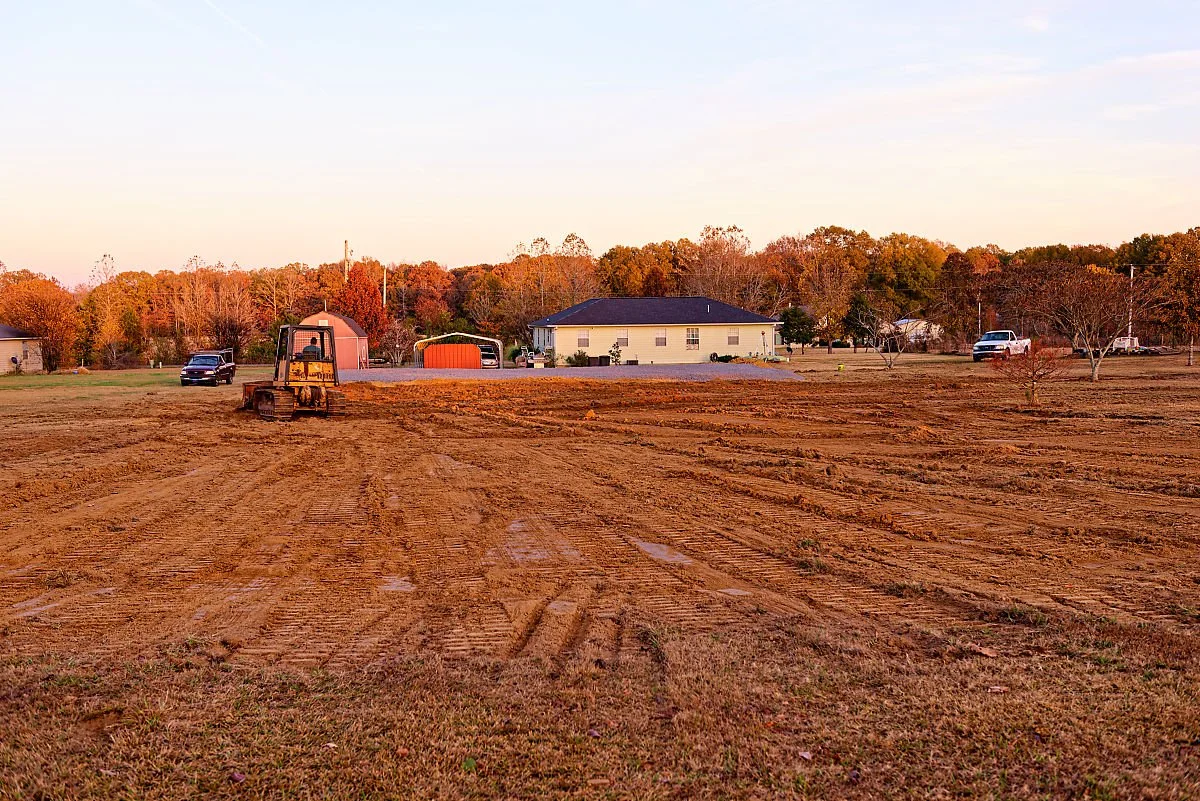
Strip away topsoil from both the harvest site and work site. Pile away for the last step. Minimize mixing with clay, and ensure this is done in as few of passes as possible to avoid overworking the topsoil.
Clay
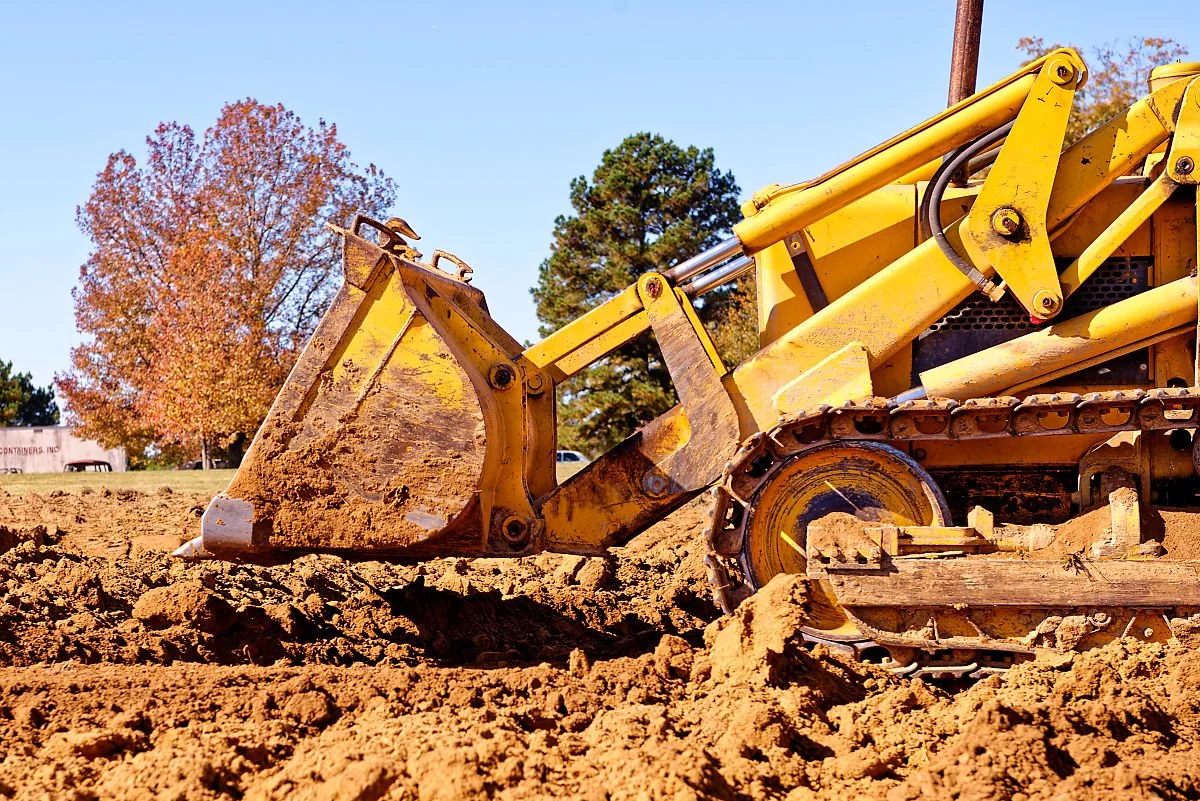
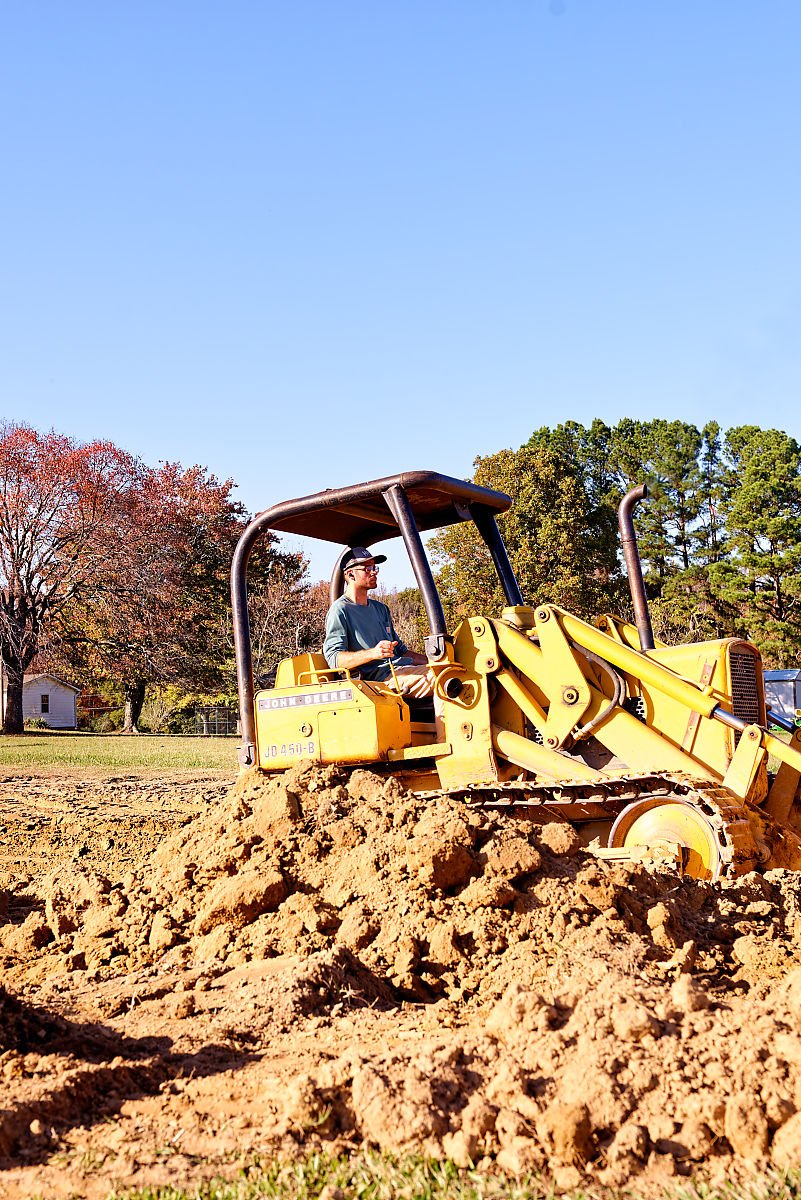
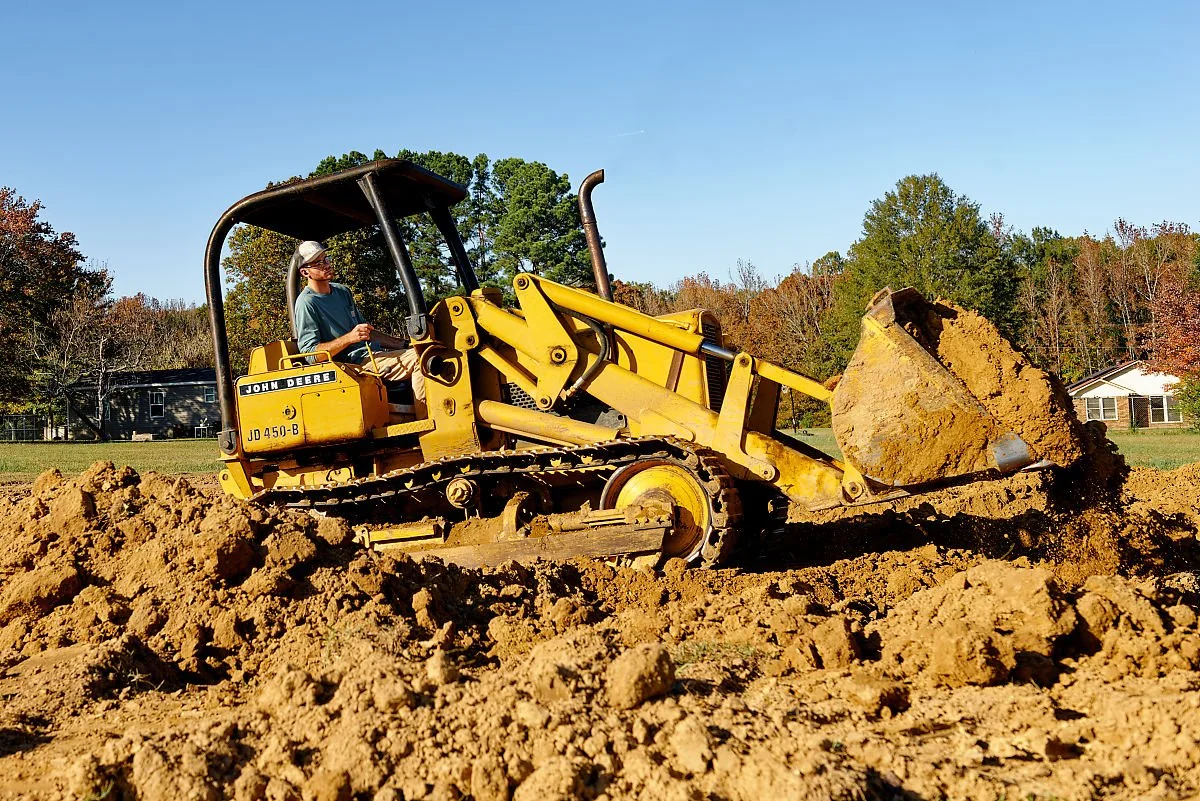
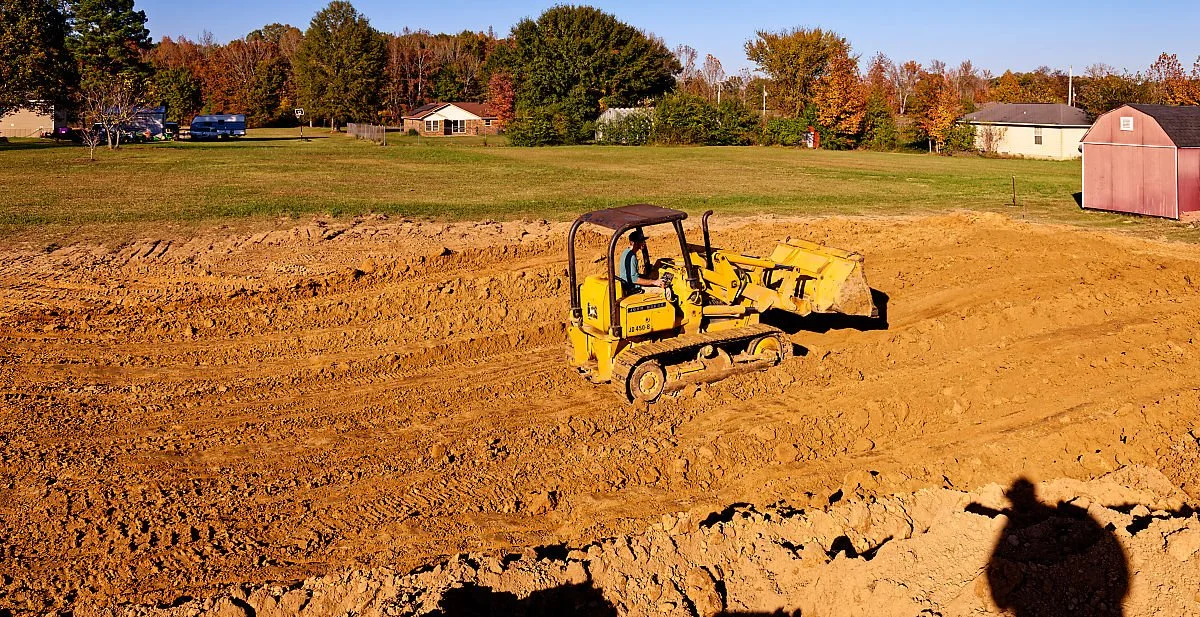
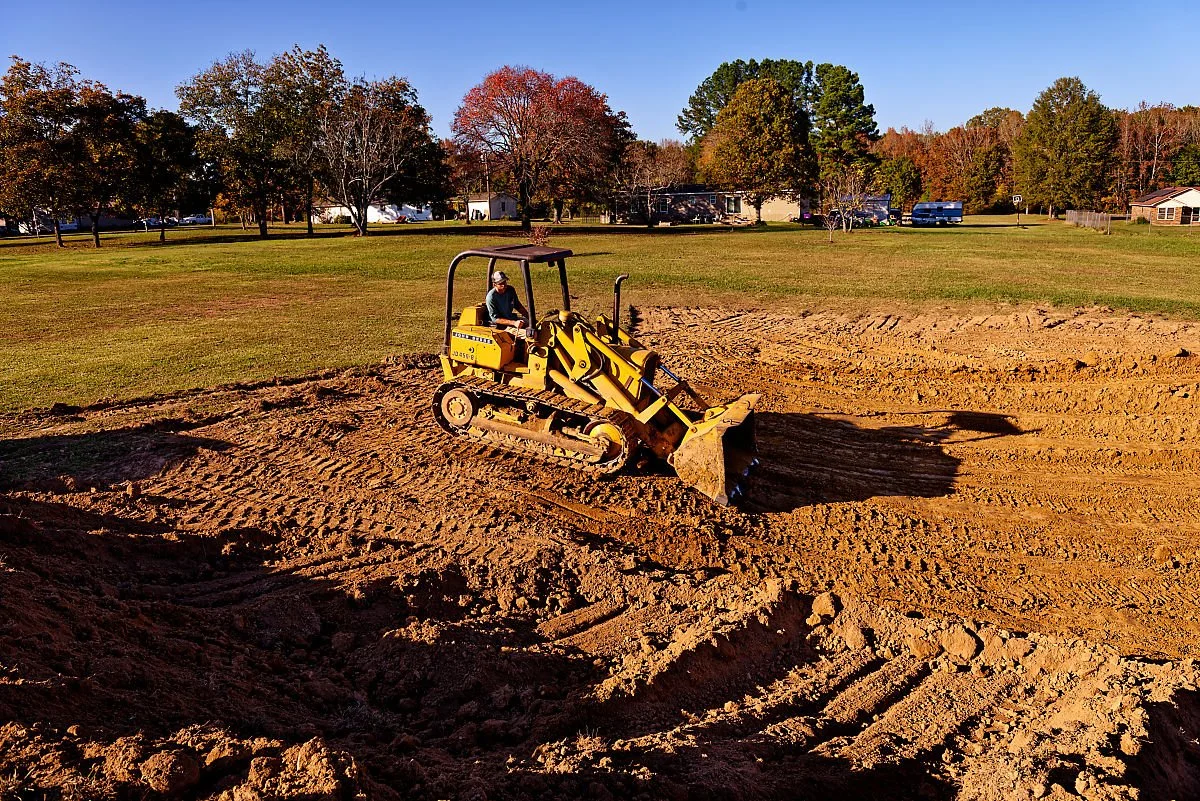
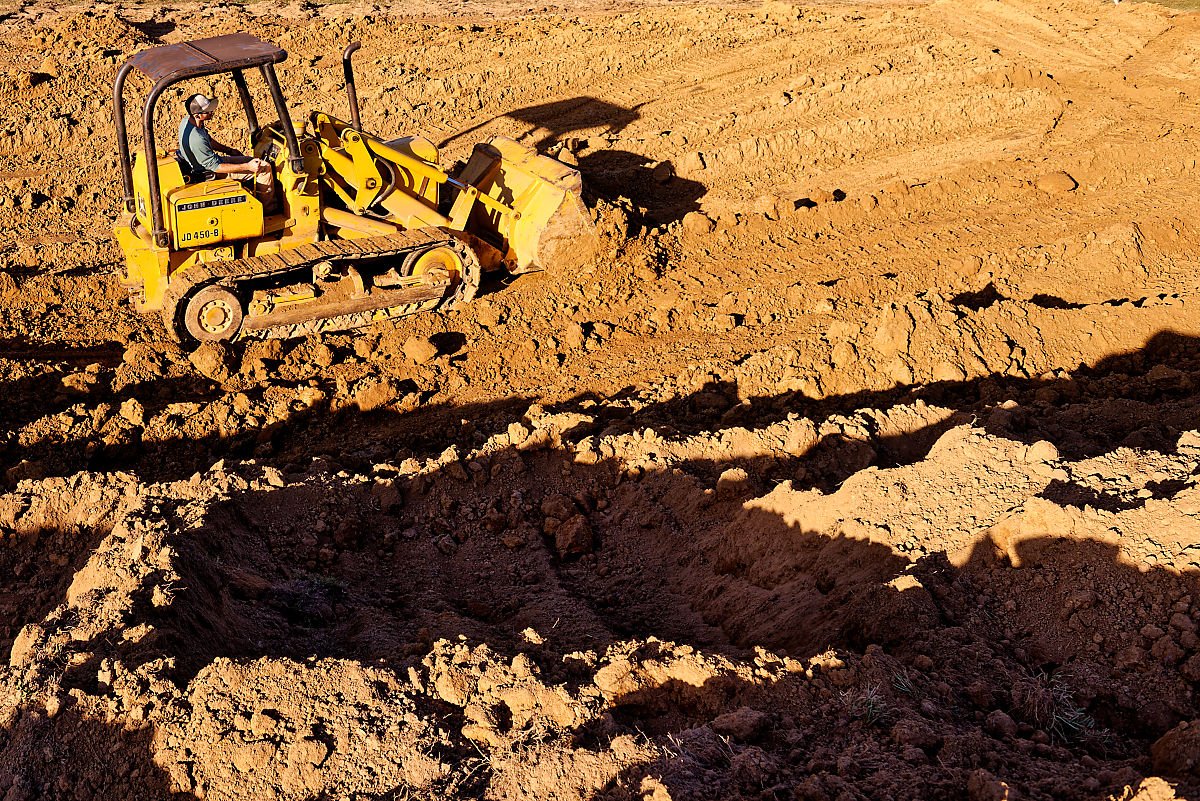
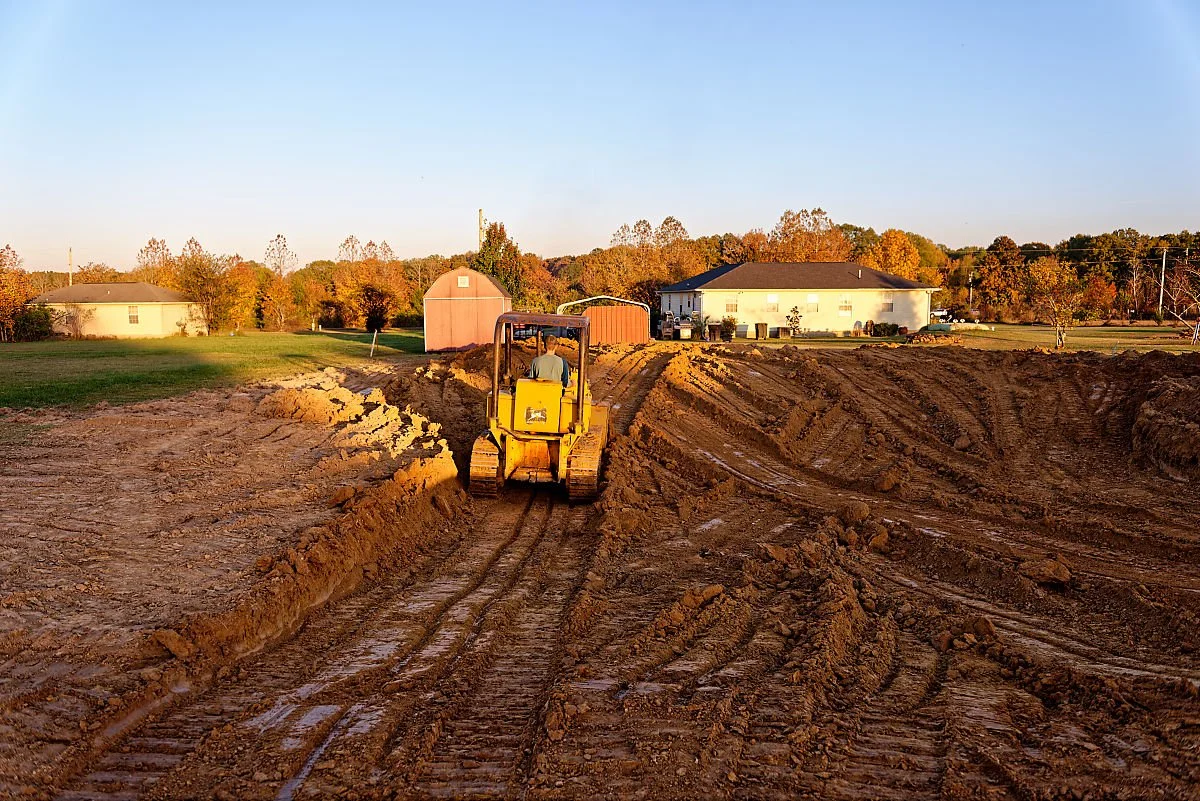
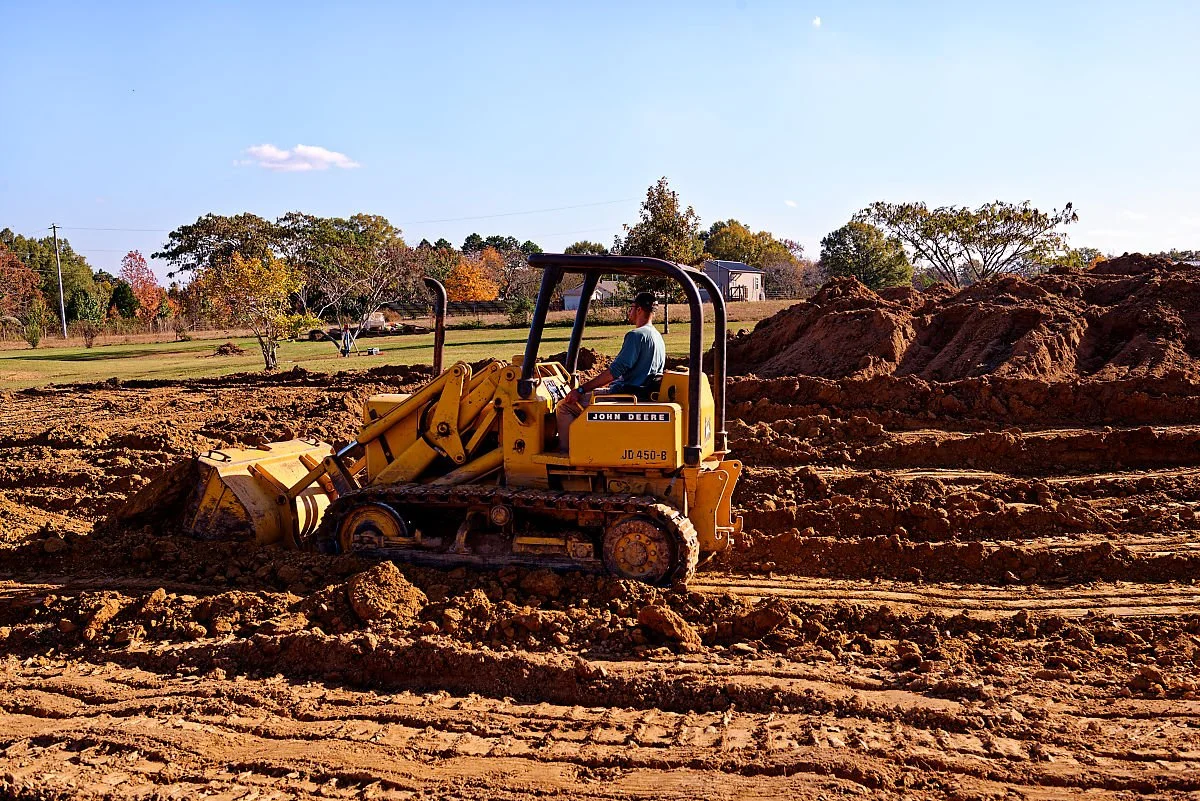
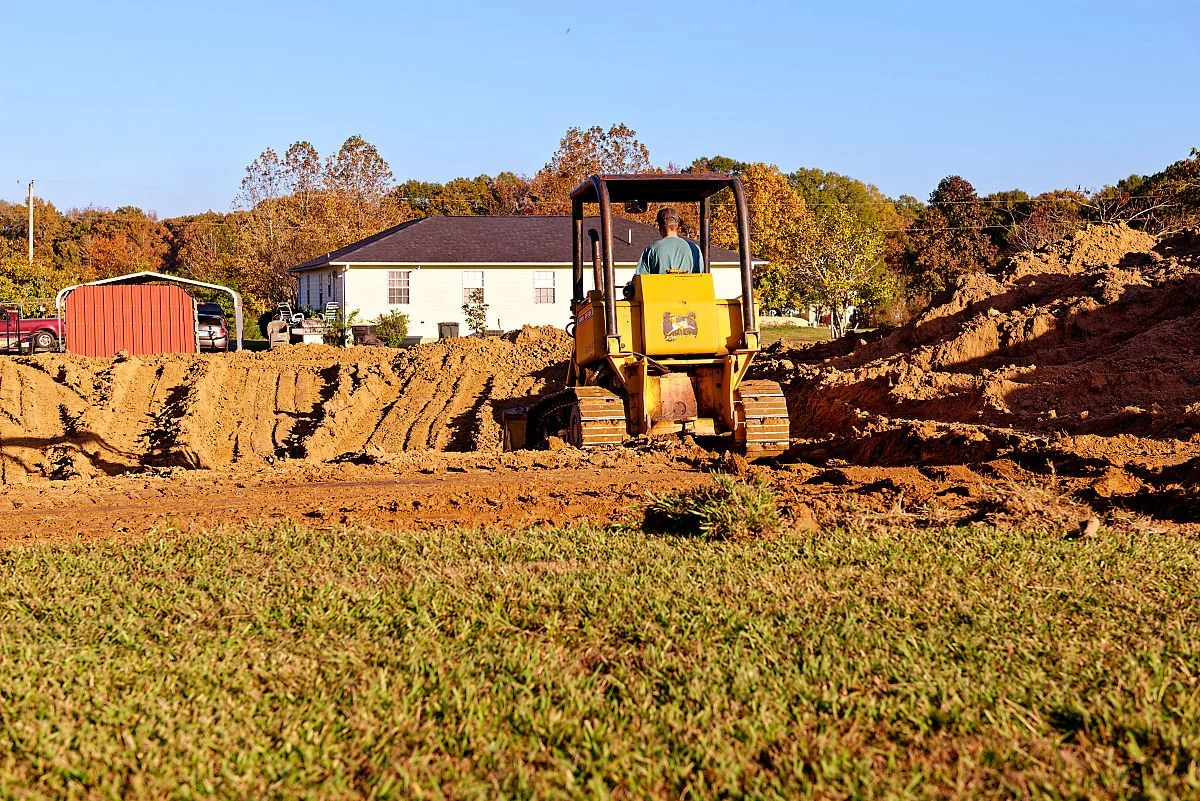
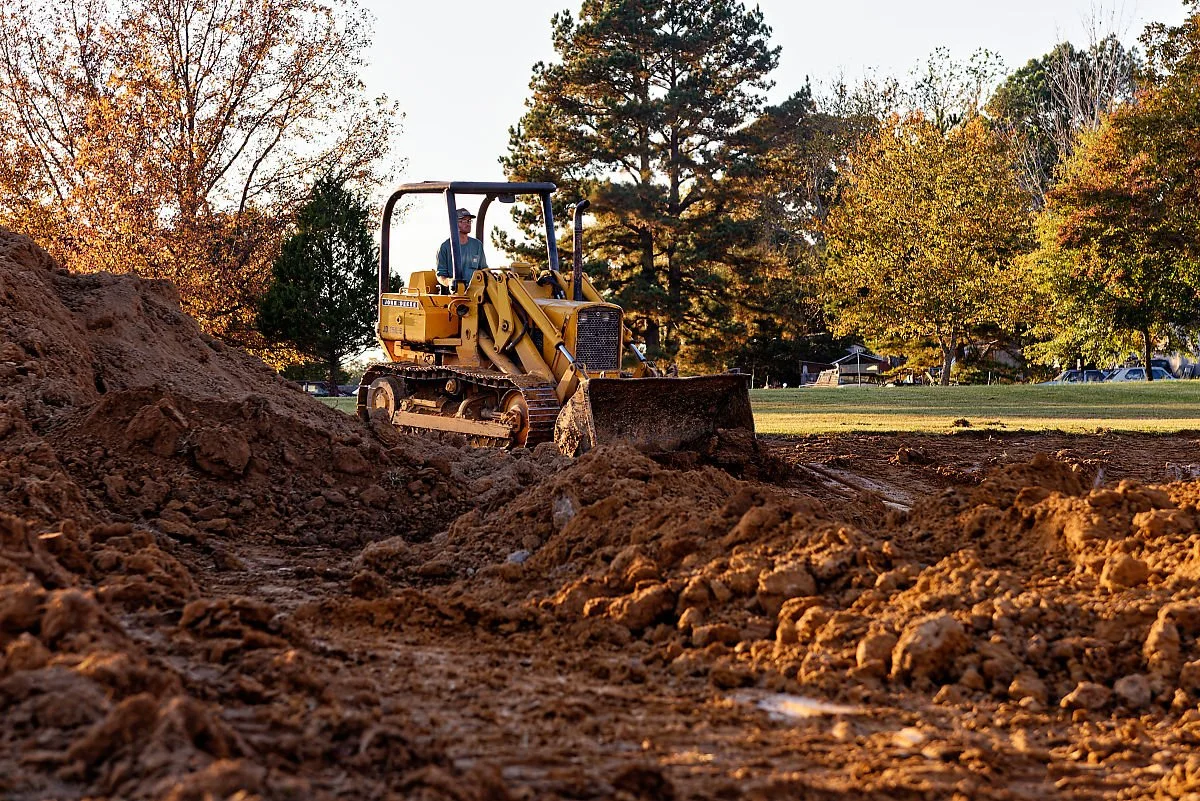
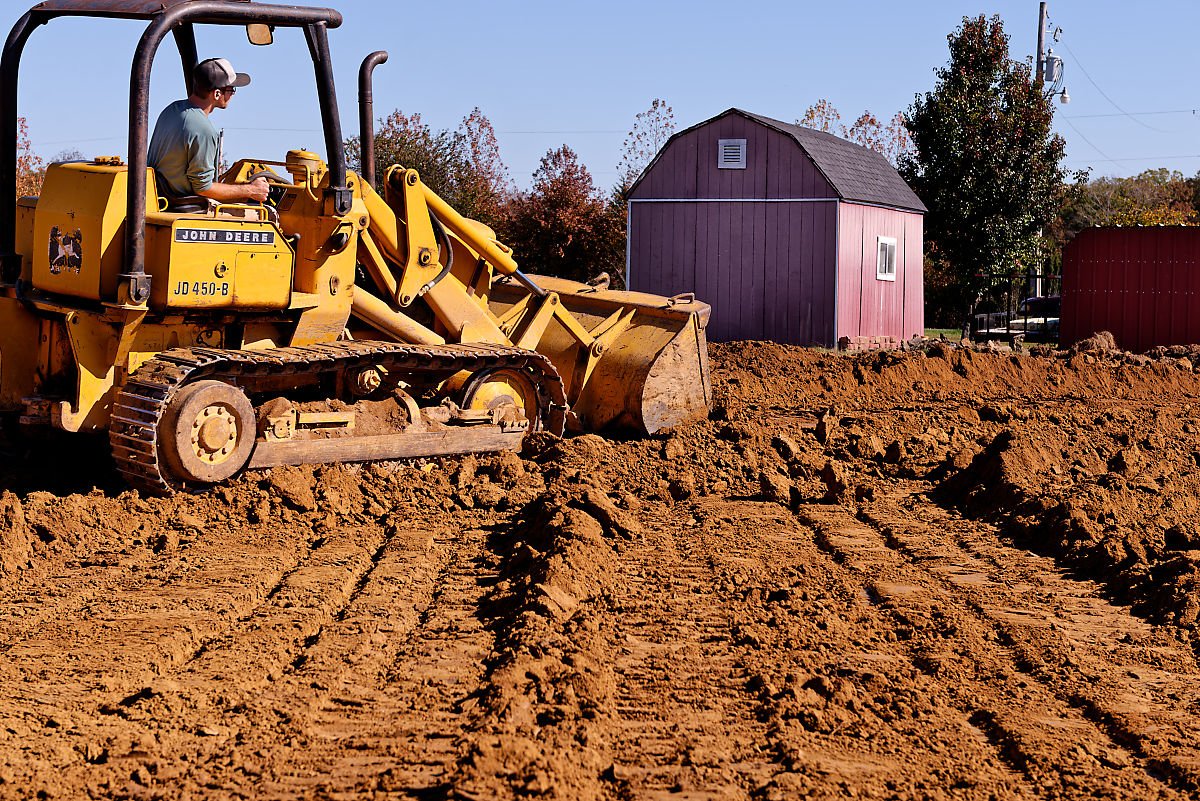
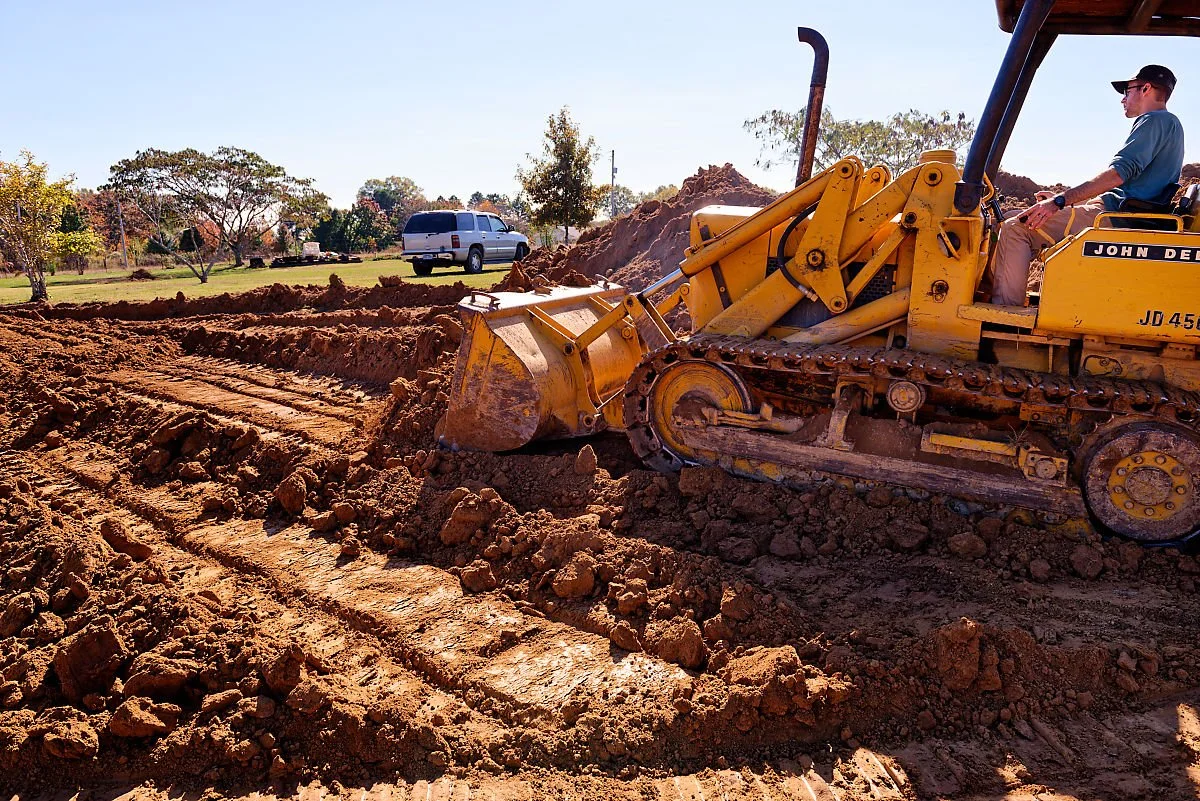
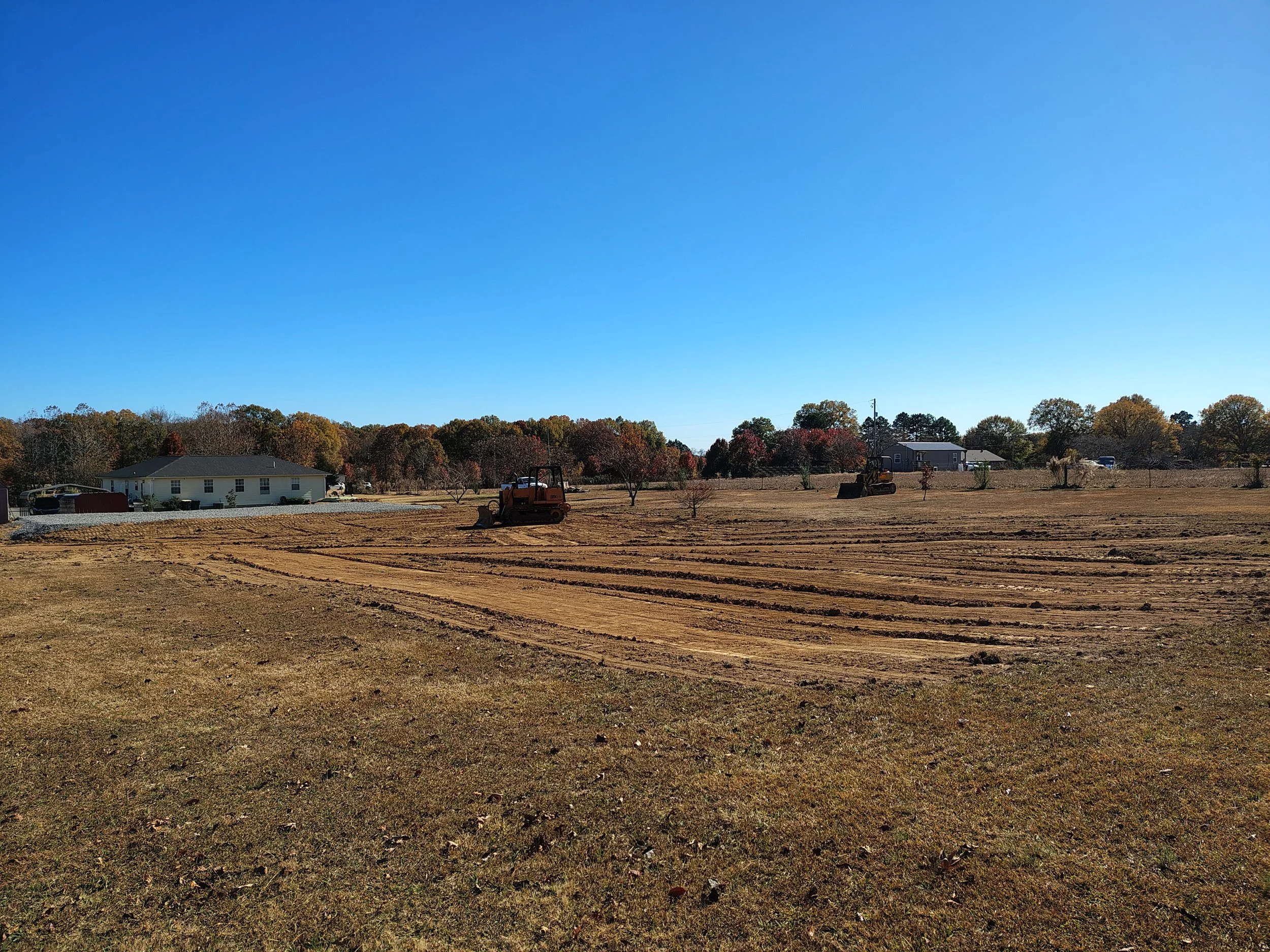
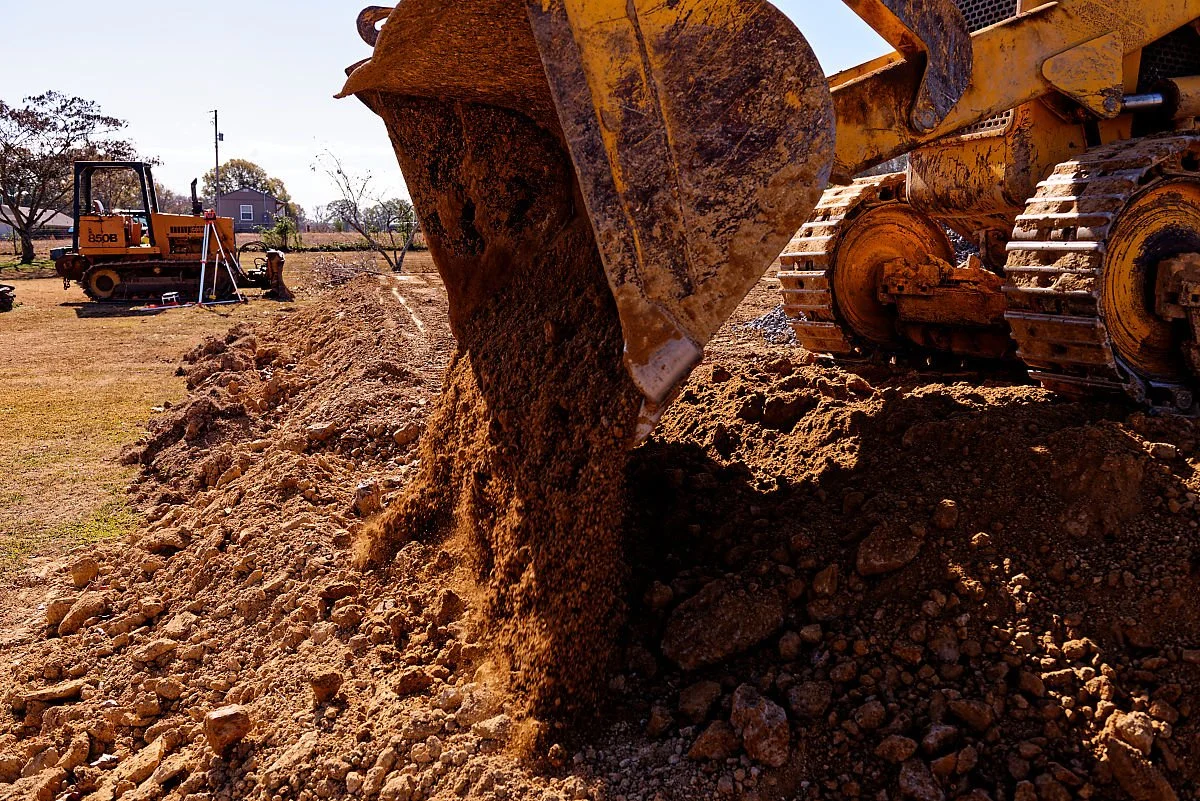
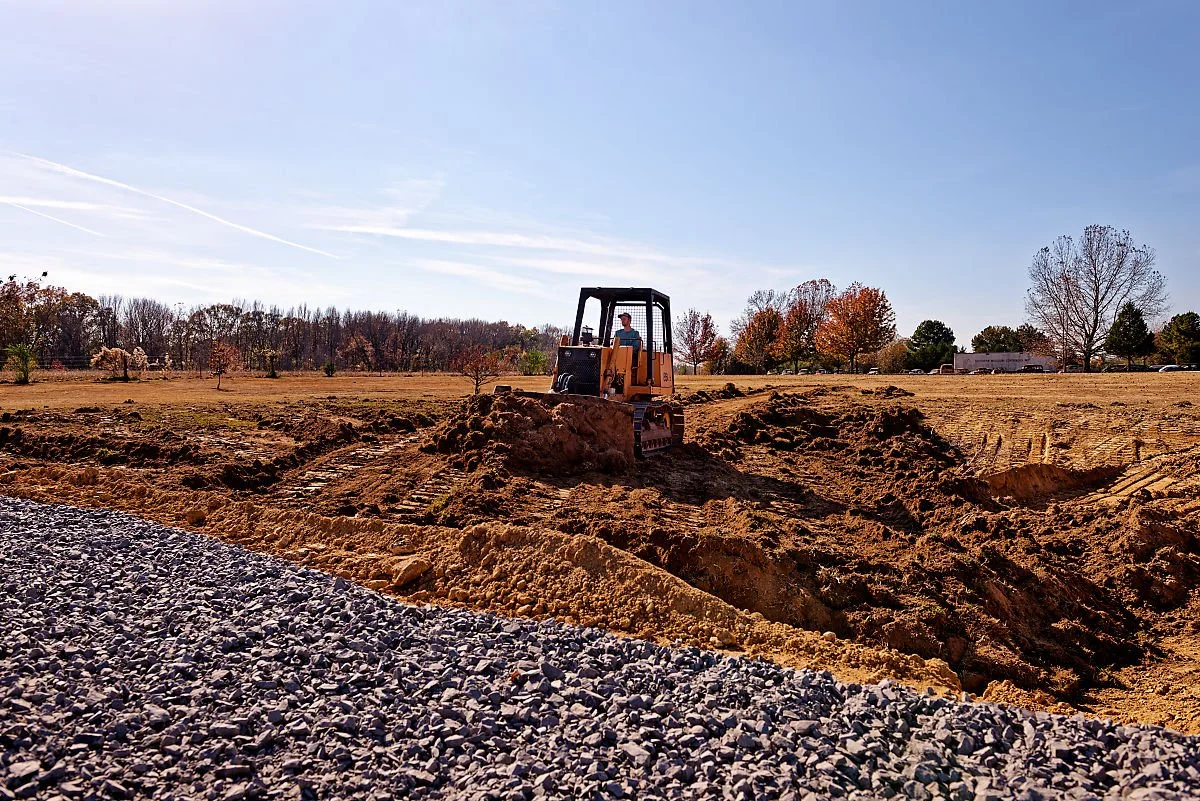
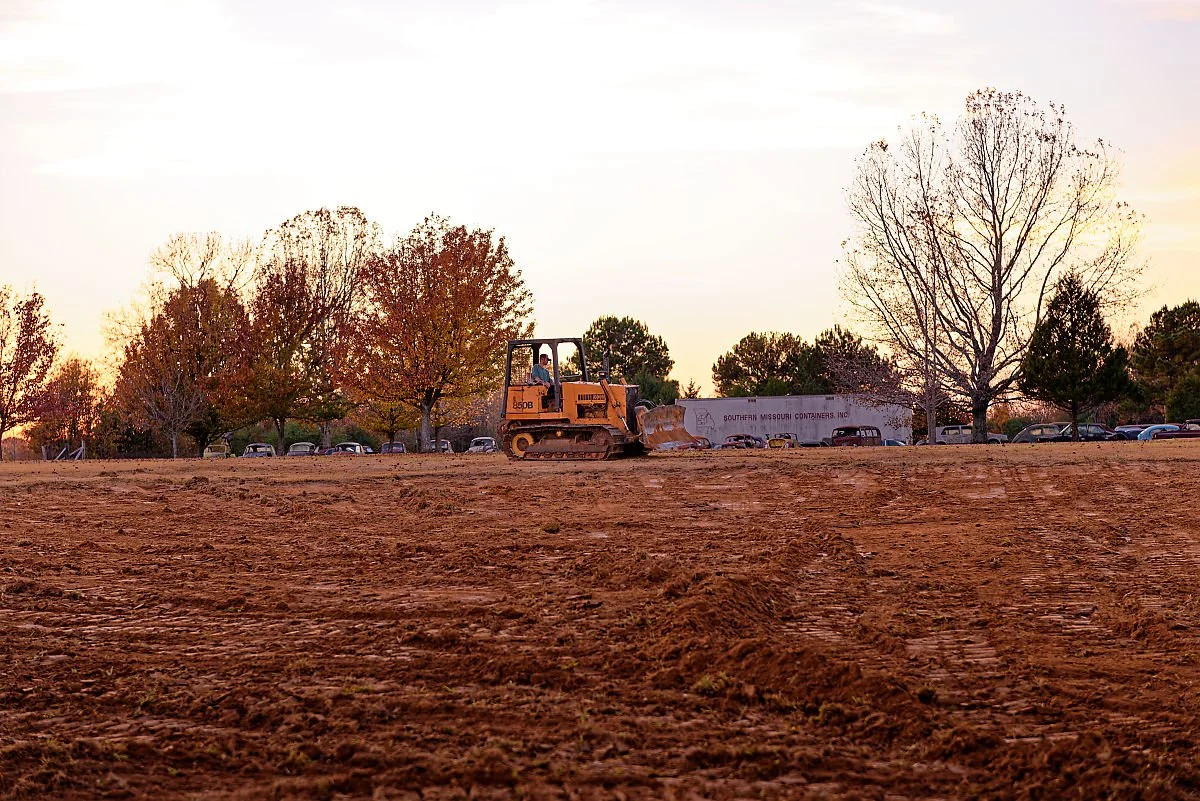
Core out clay from harvest site and transport to pad location. Pack in lifts. (Lay down clay in 6” layers maximum and compact each lift to minimize settling)
Shale
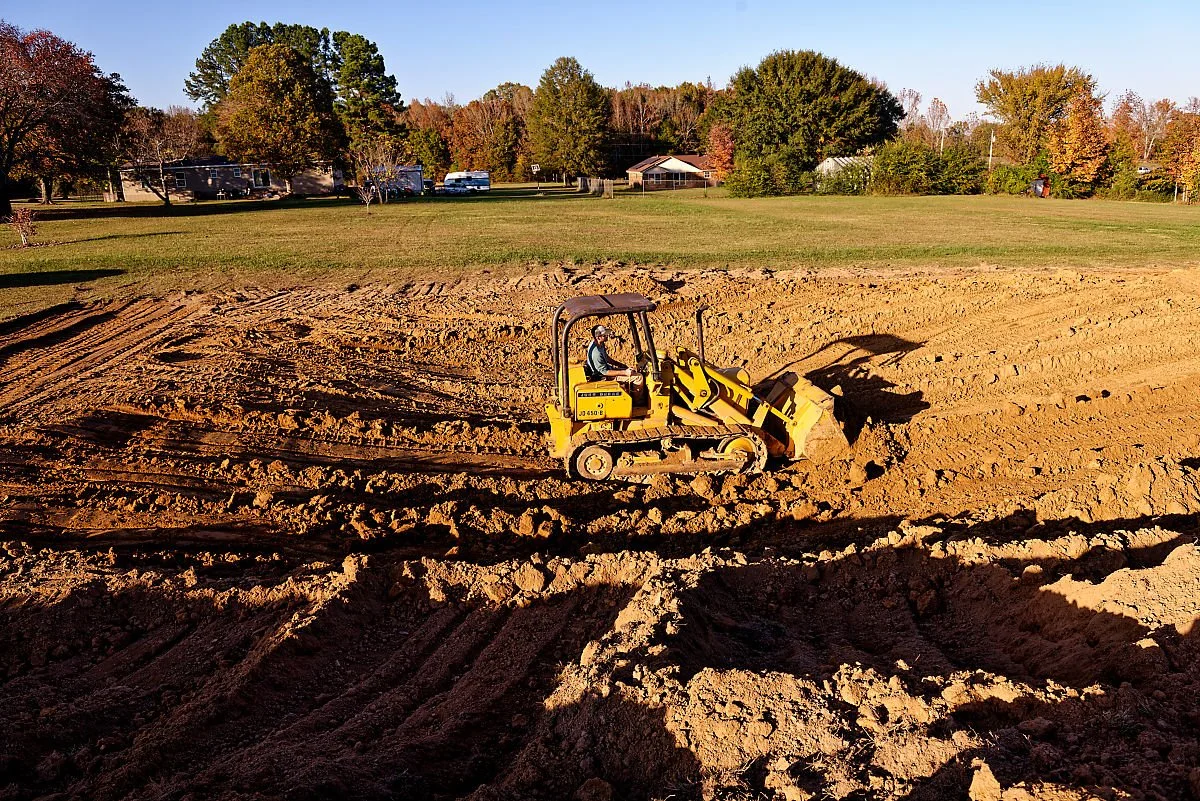
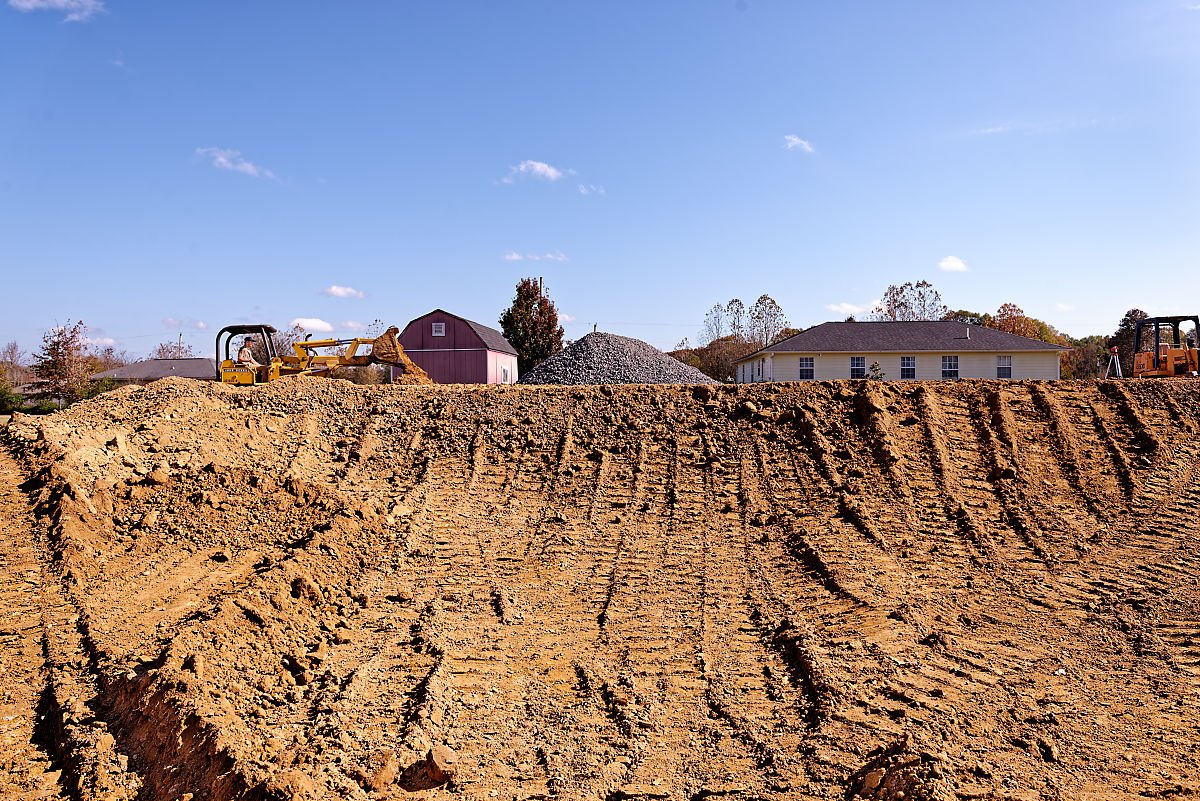
Lay down shale and compact in 6” lifts in the same manner as clay.
Depending on weather conditions, water may have to be added to the ground to allow better compaction.
Gravel
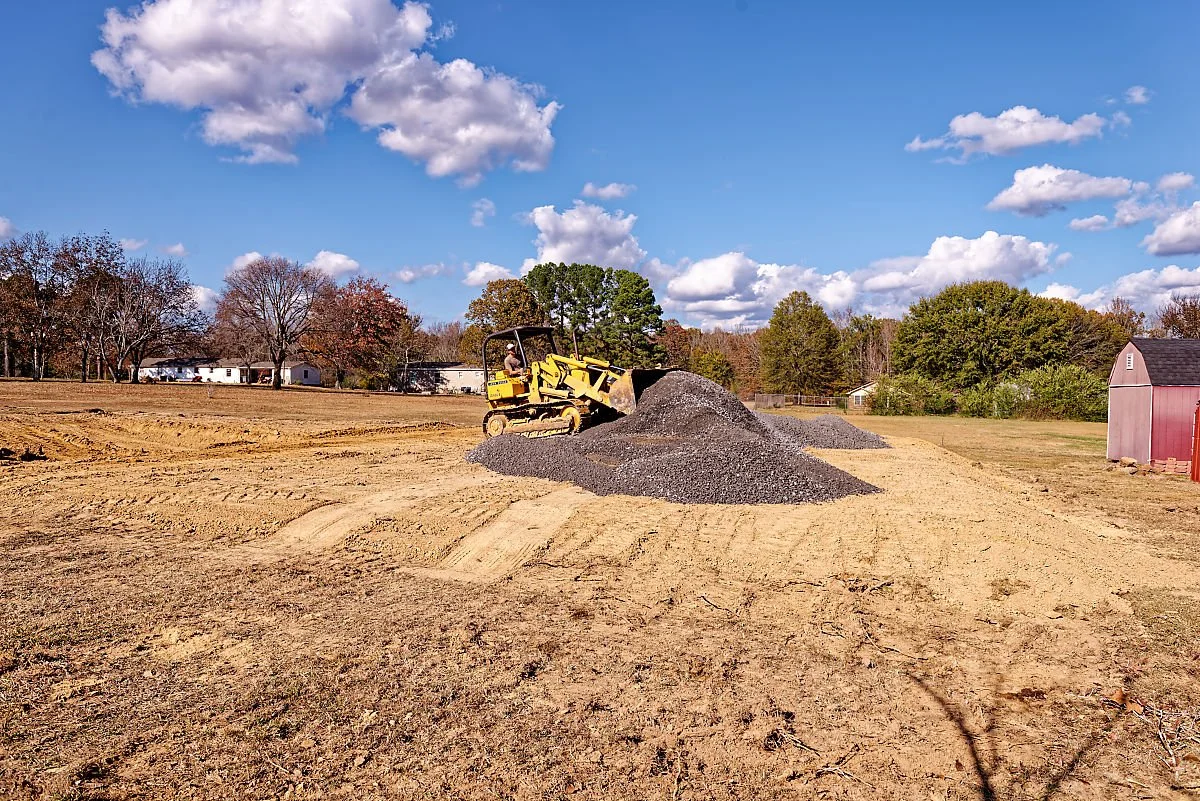
Now you are ready for gravel! Depending on your application, there are various forms of gravel available. Each form has advantages ranging from better drainage to better compaction. For more information on gravel, click this link.
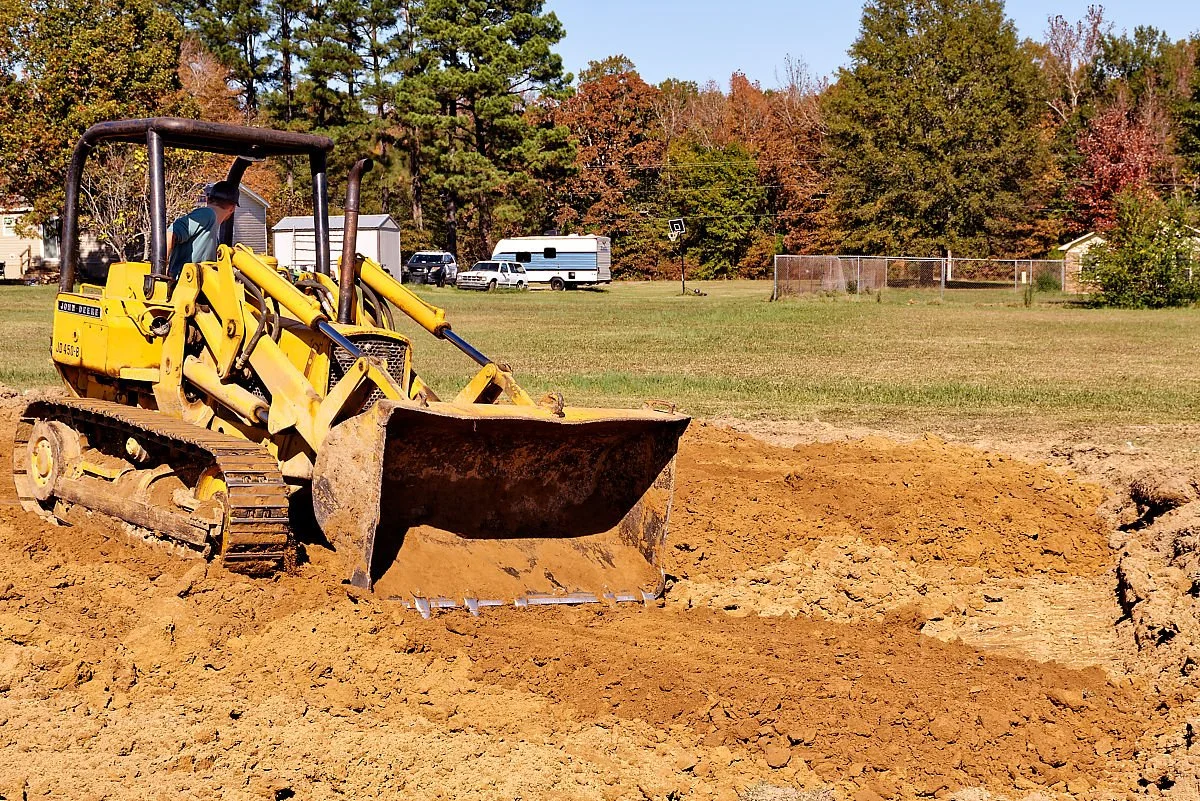
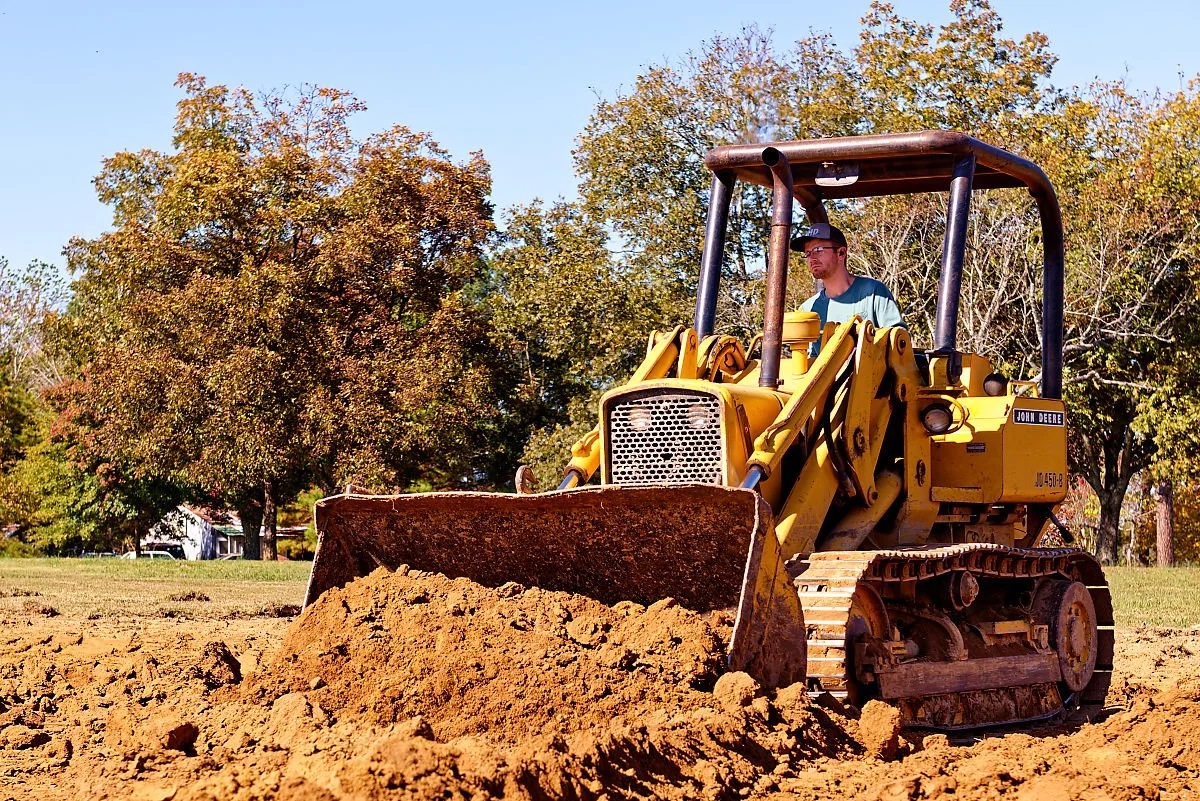
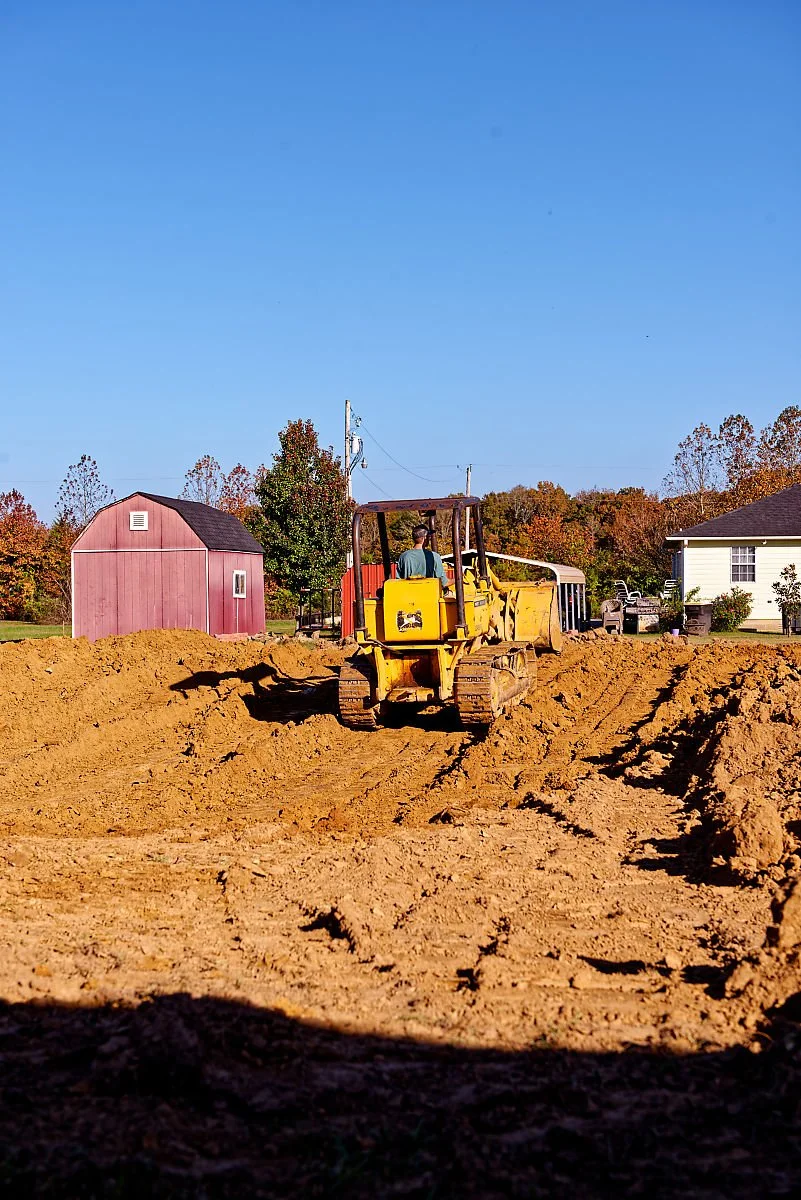
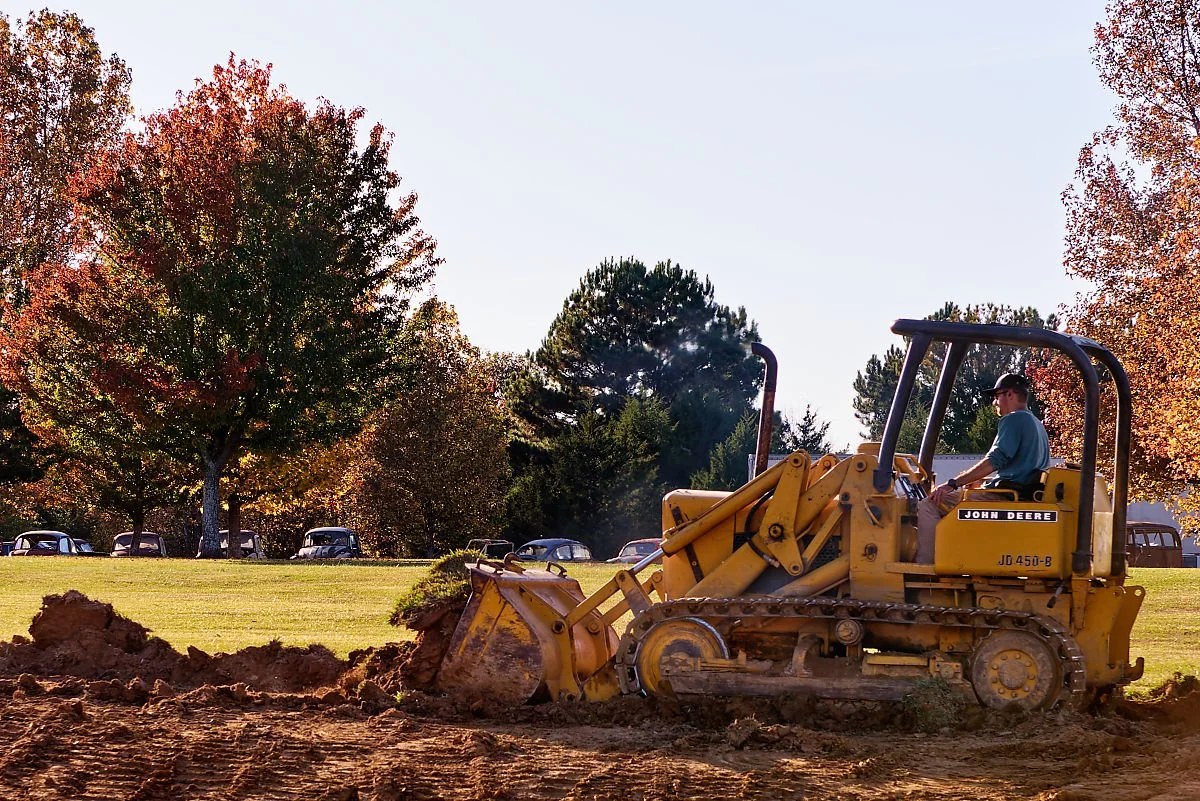
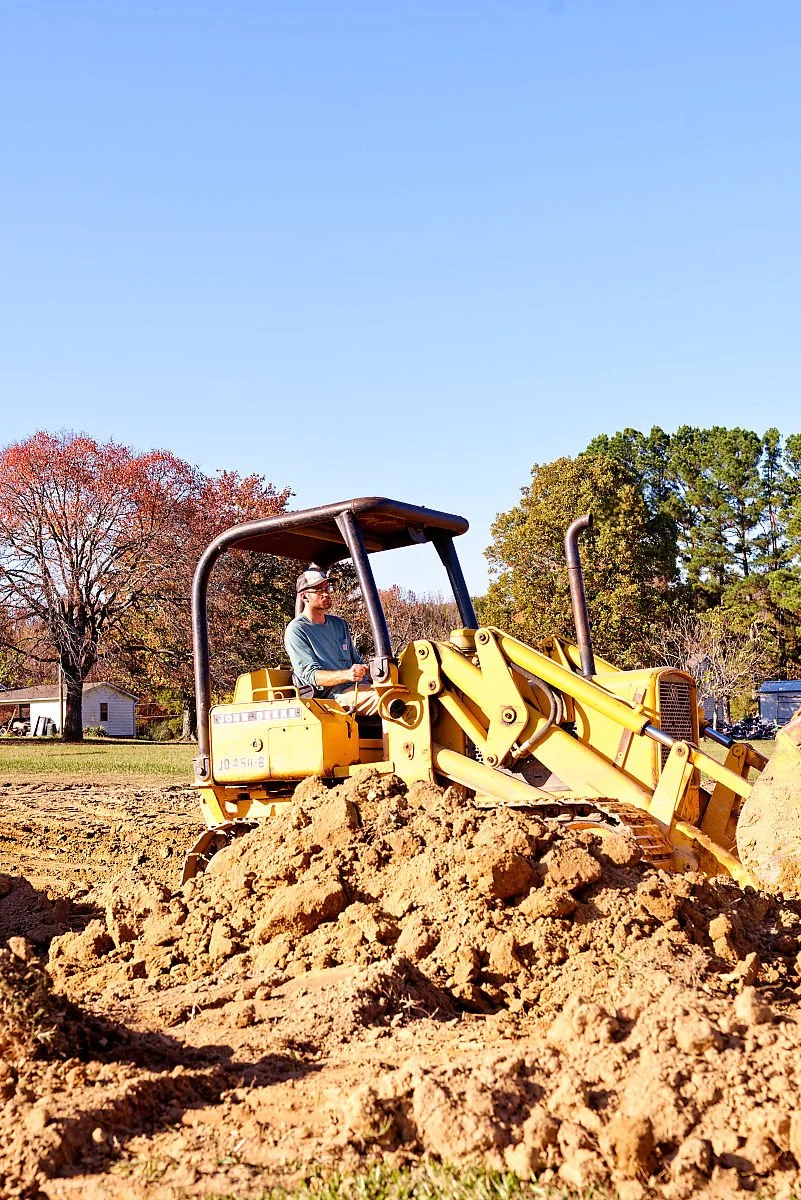
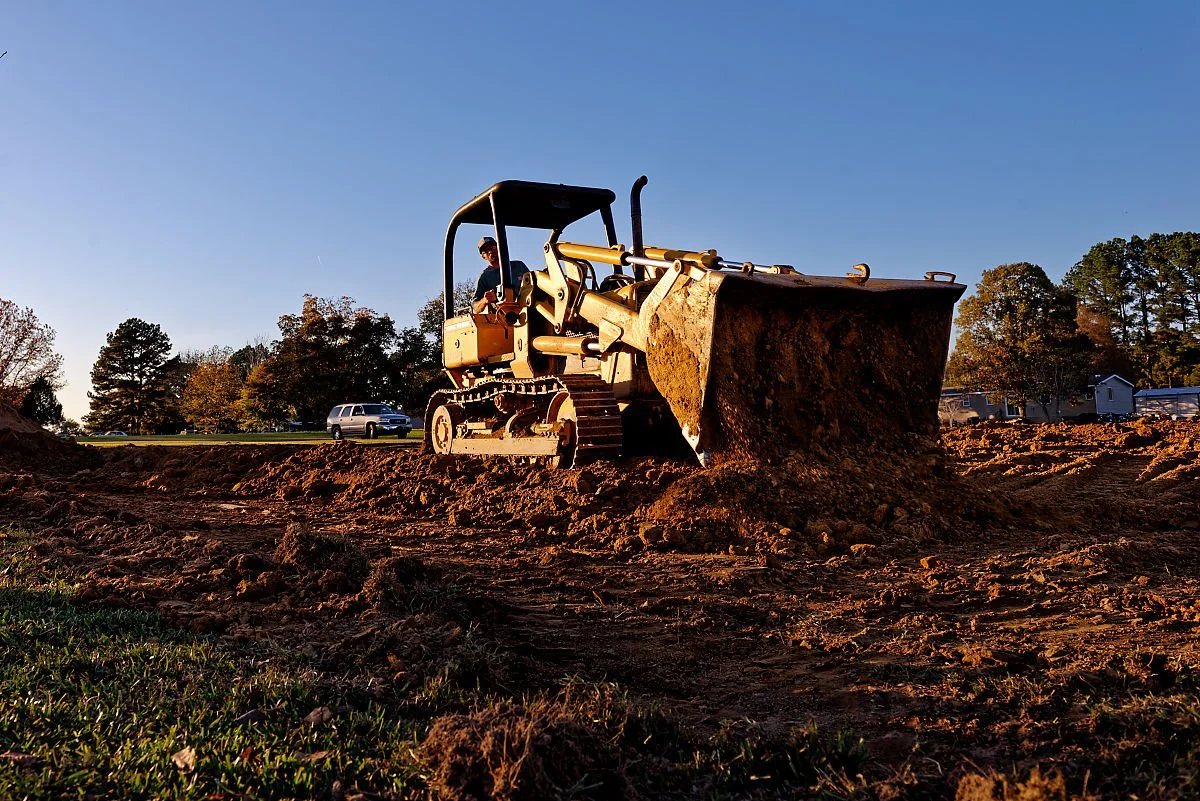
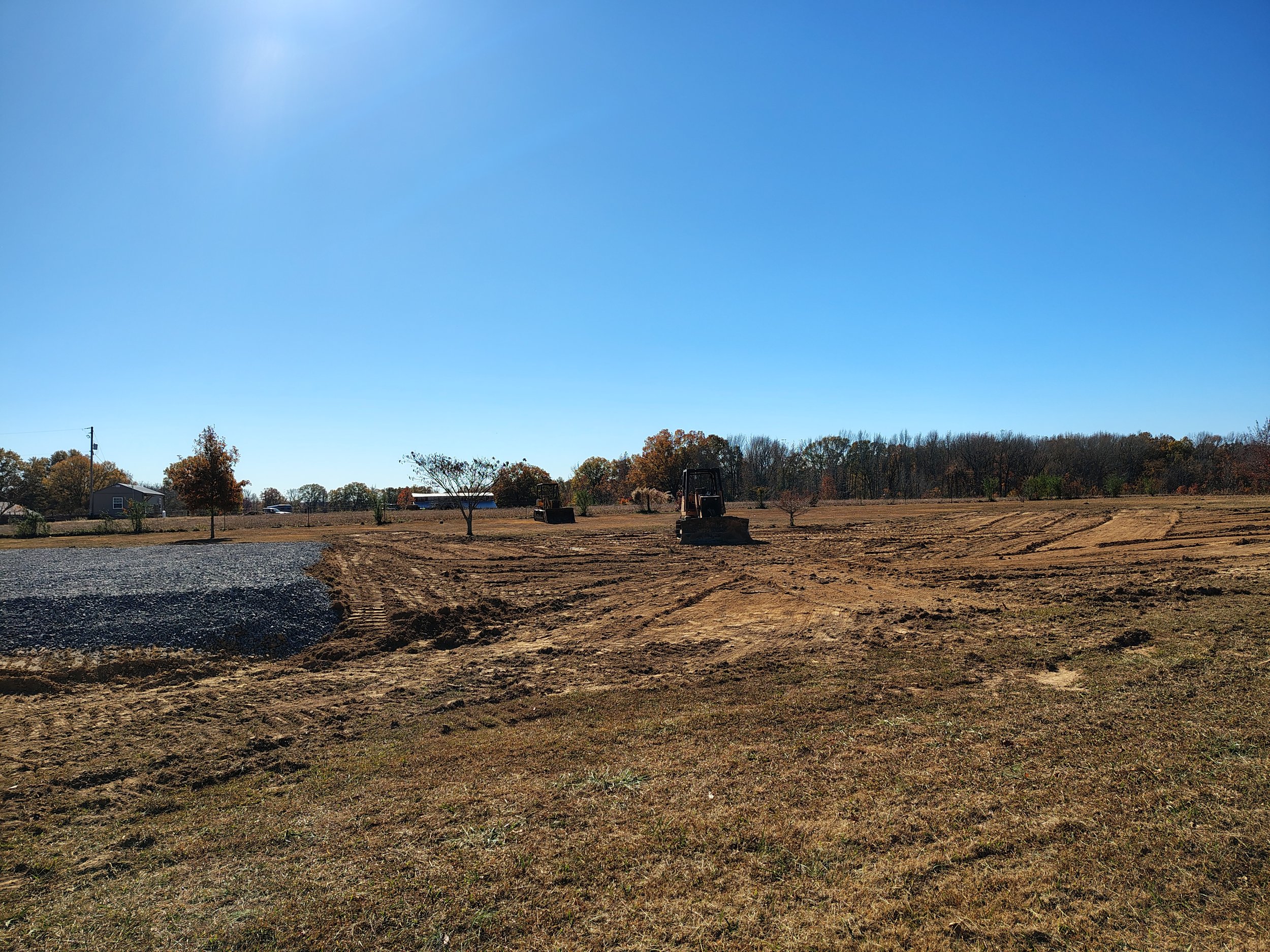
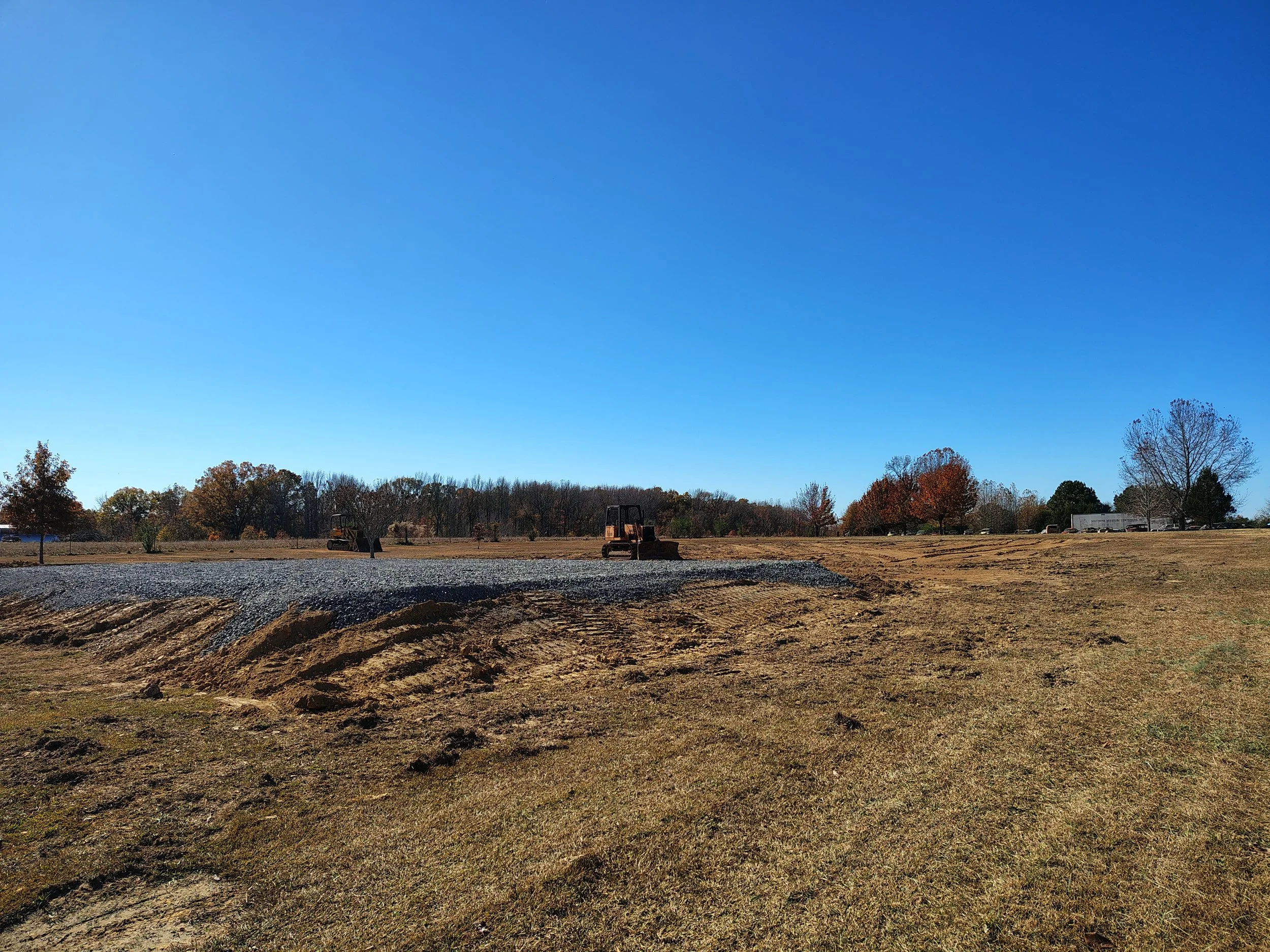
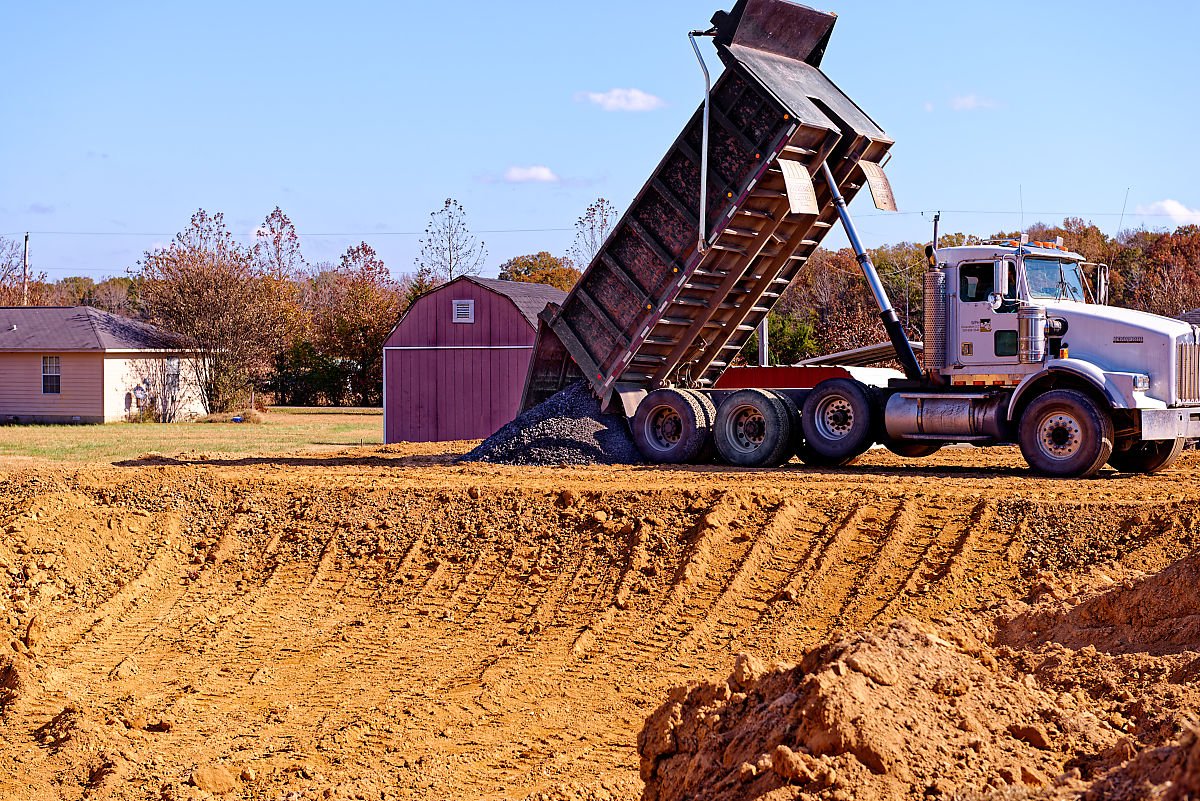
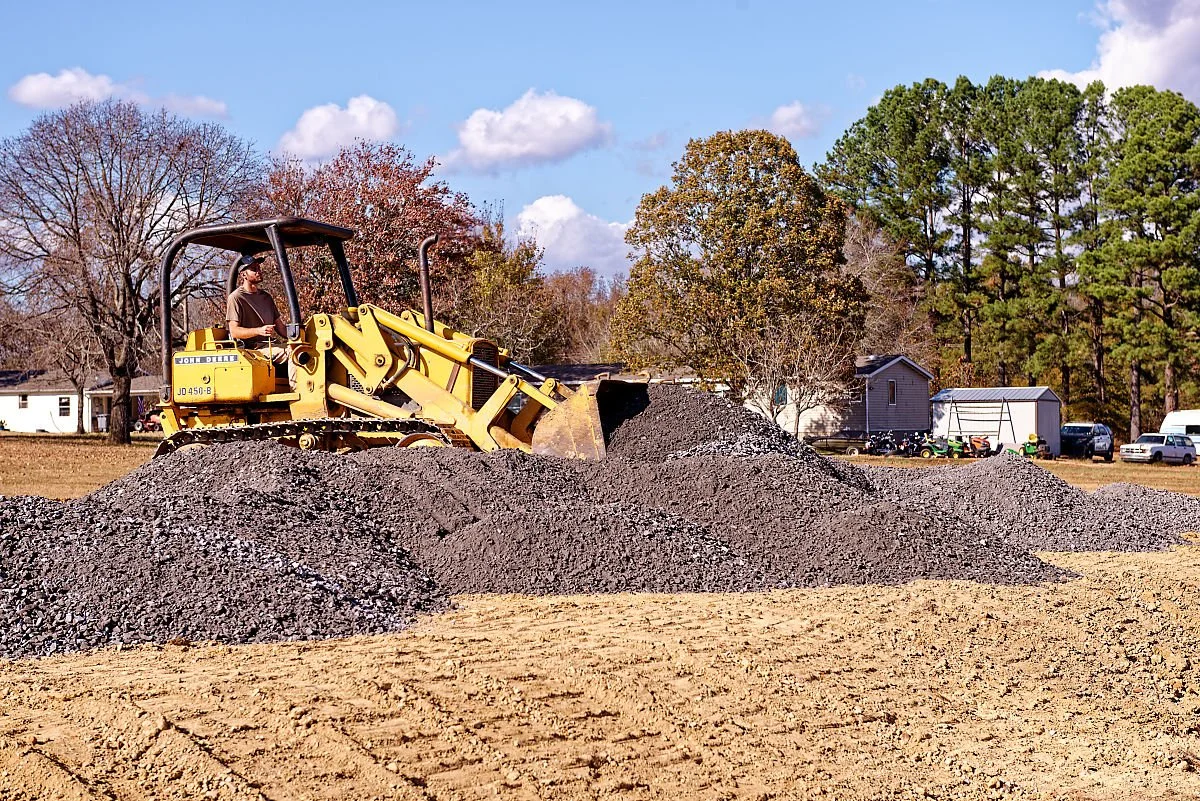
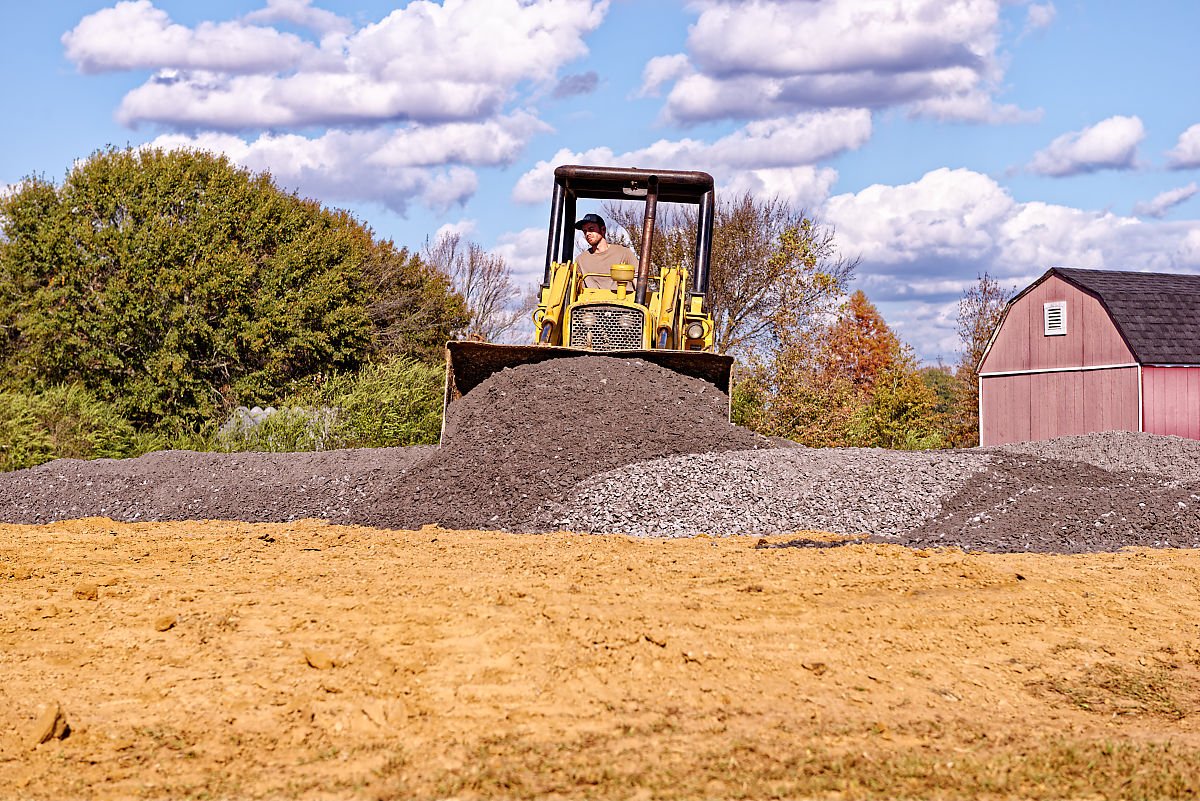
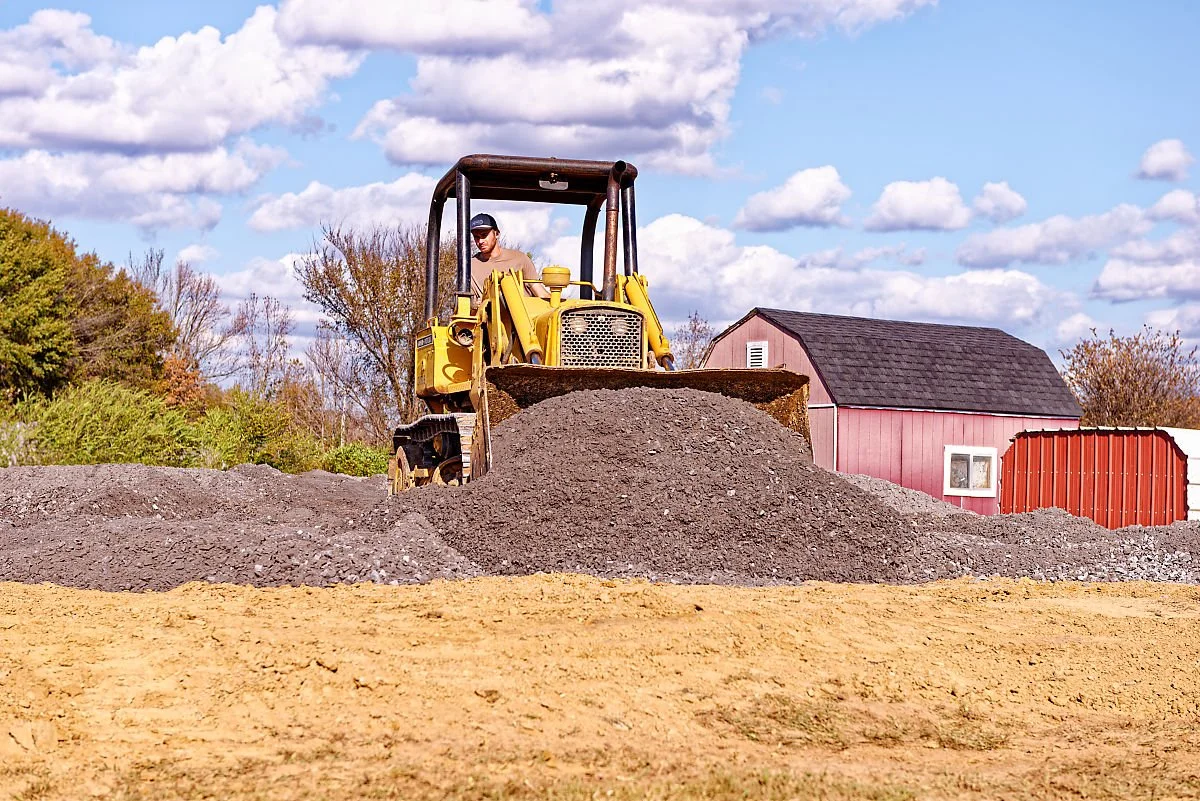
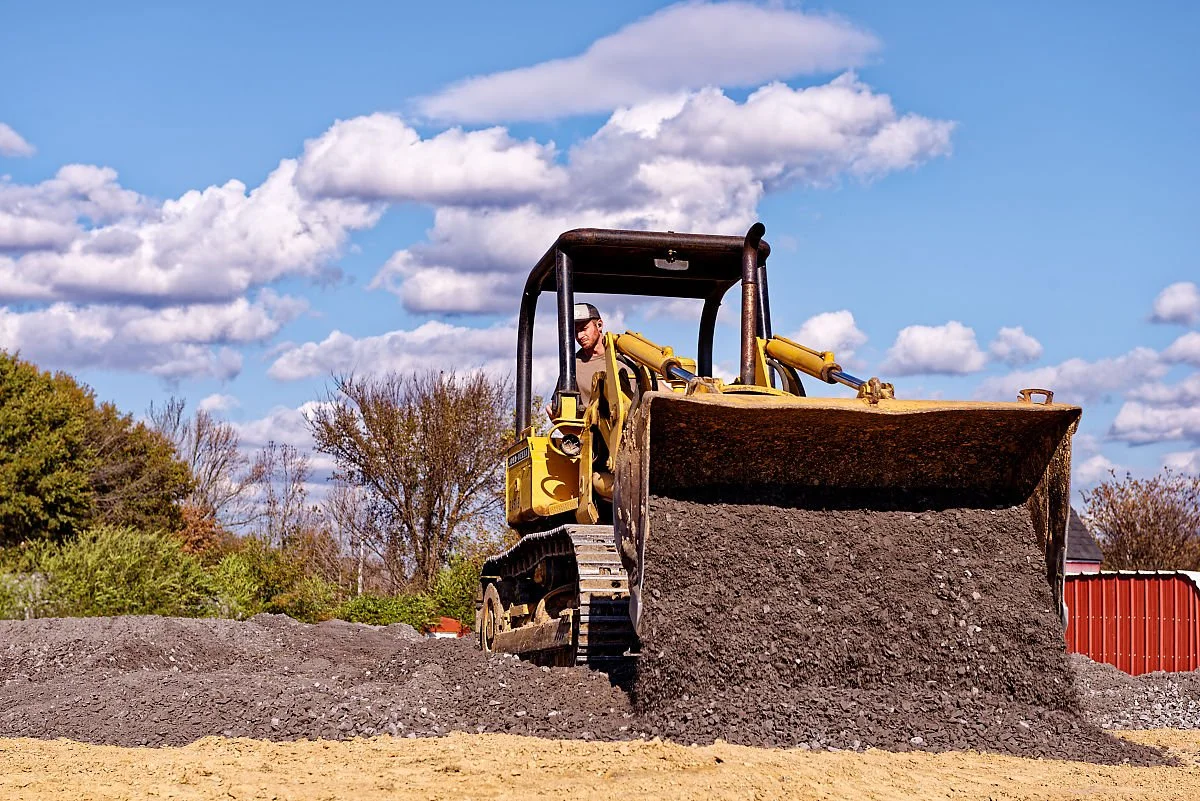
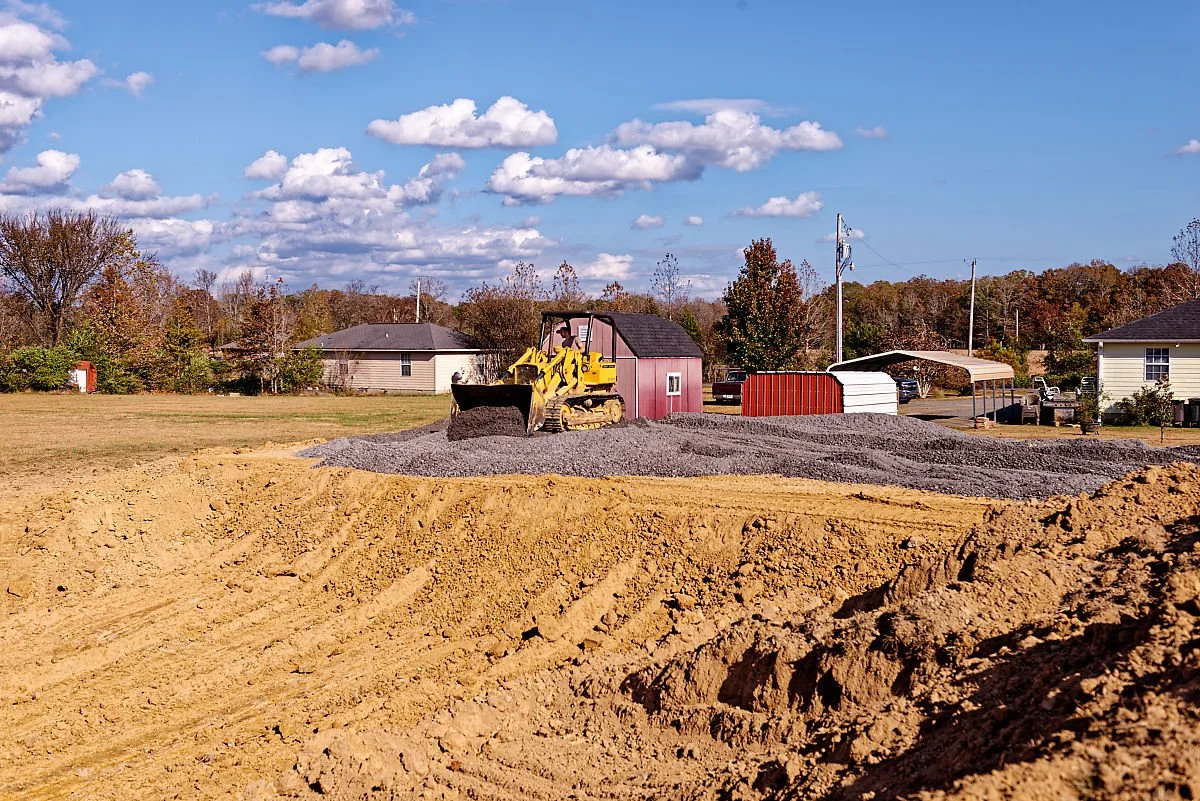
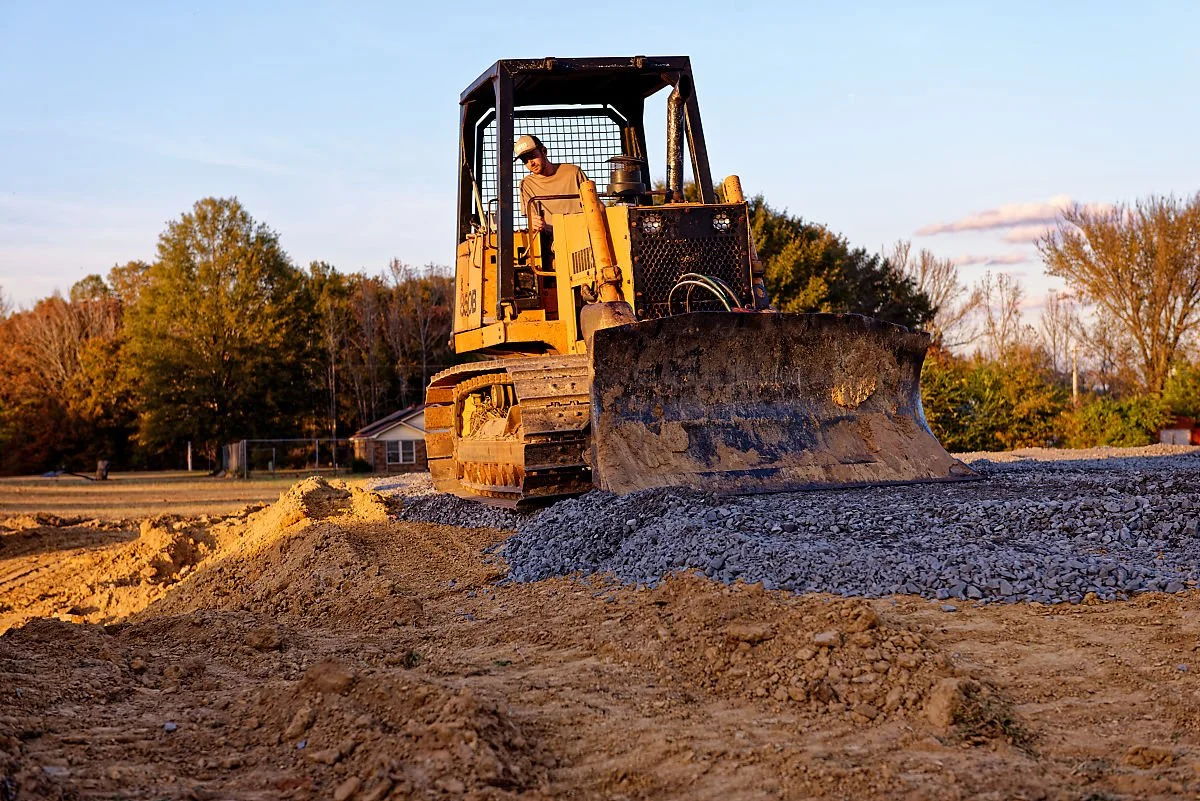
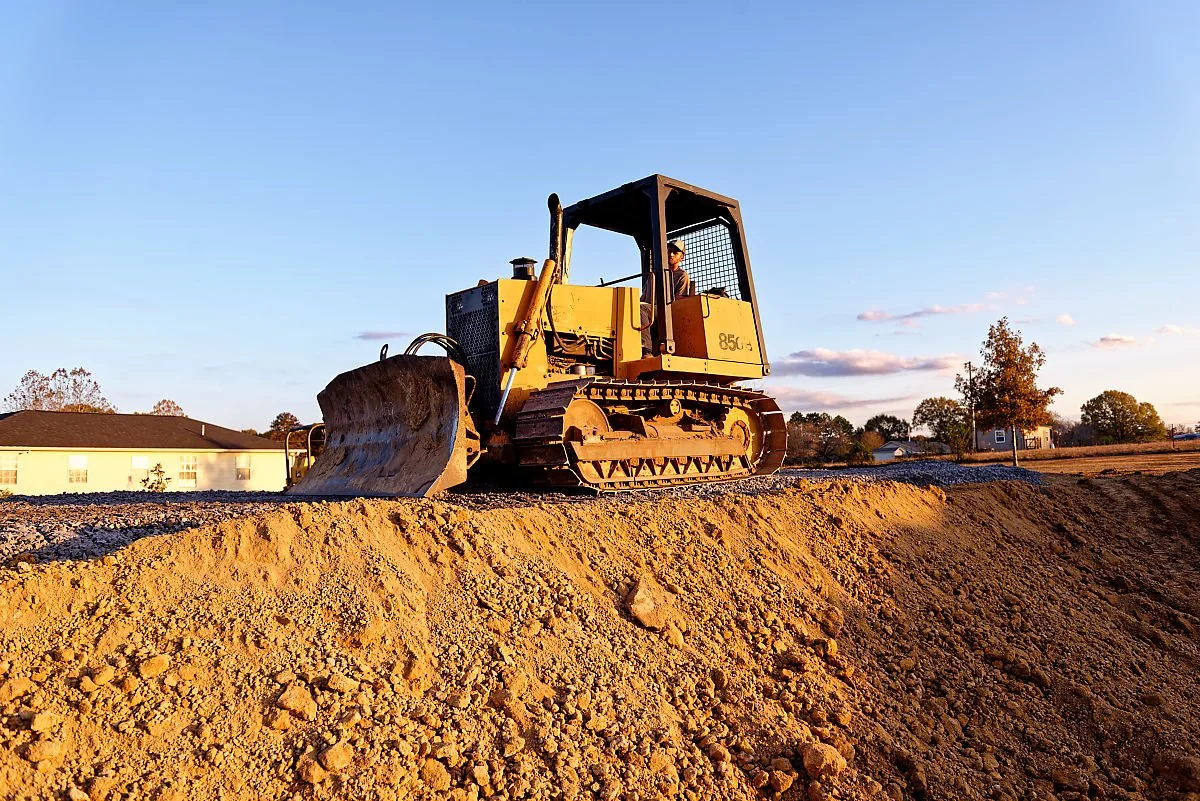
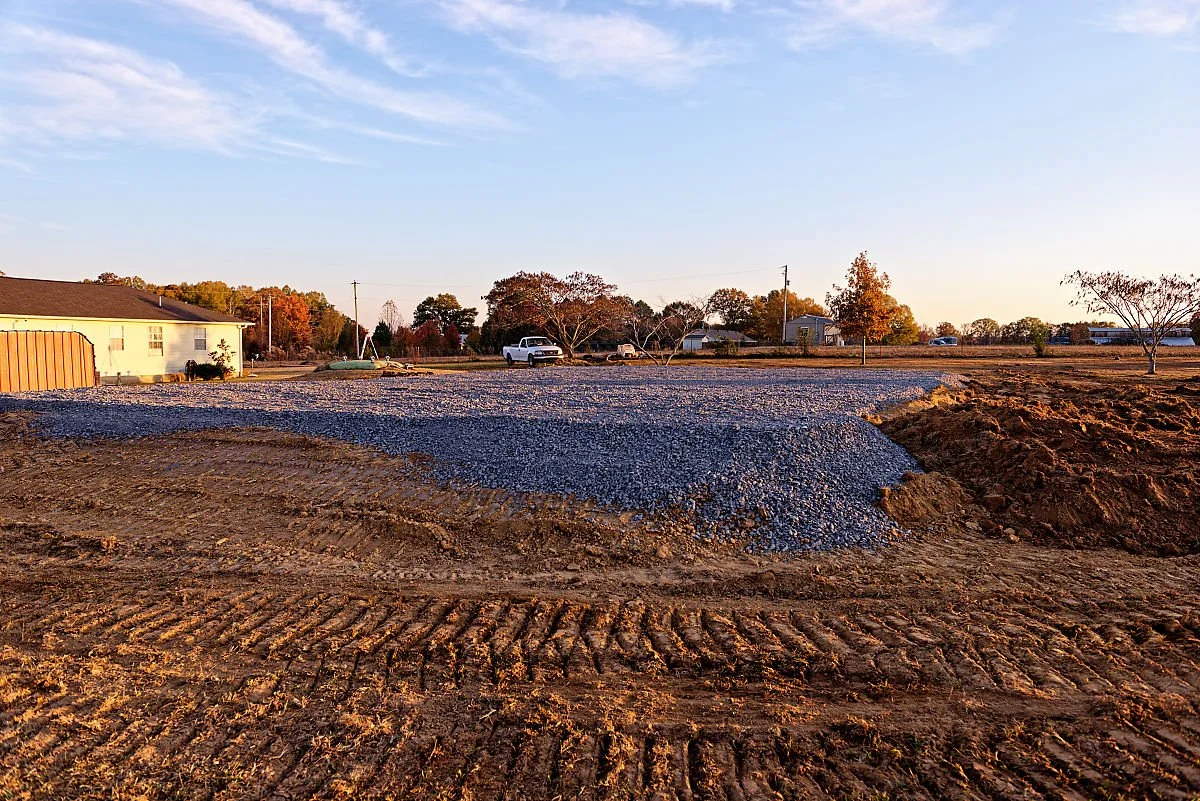
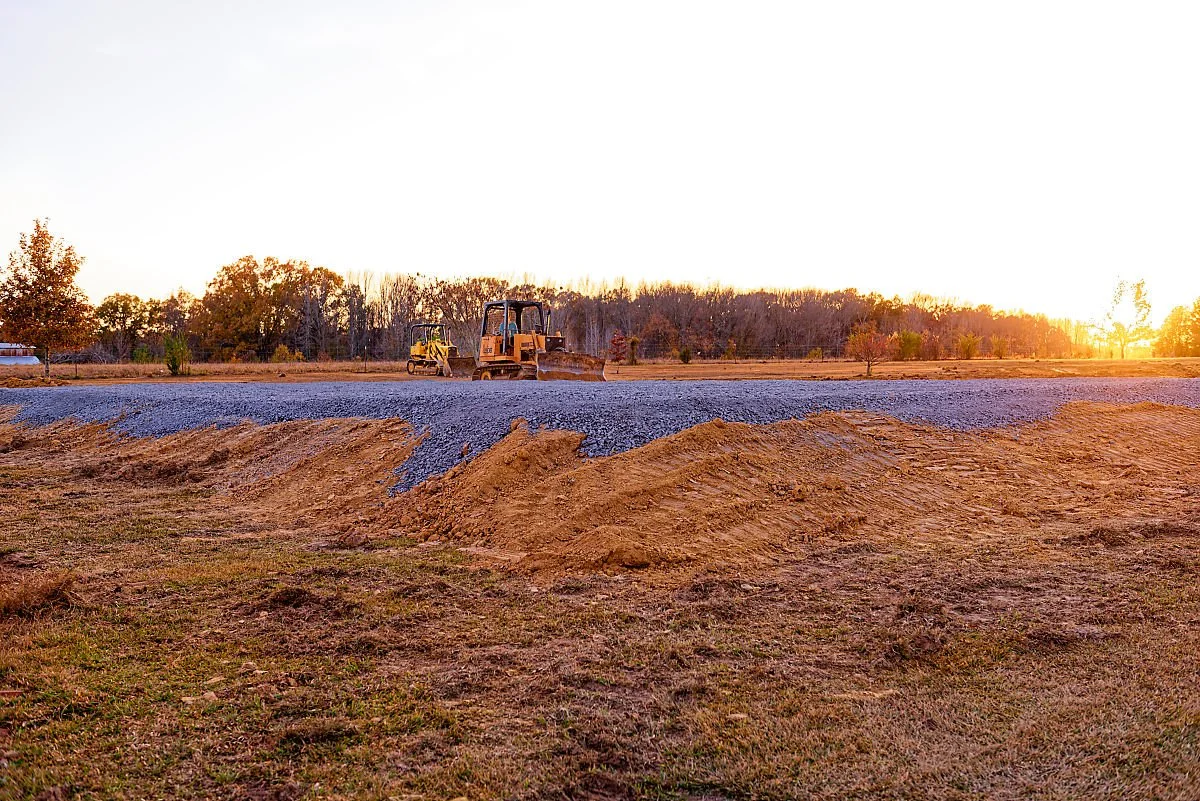
The gravel will be dump trucked in, spread and leveled by a bulldozer or tractor, and finally compacted in place.
Completion
I hope the information provided helps clarify some of the work that goes into a proper foundation. There are various techniques and strategies along the way that an experienced operator can employ to efficiently accomplish the job. In the end, it is worth the time and effort to build a solid foundation - less maintenance overtime, more reliability for your structure, and a greater aesthetic.
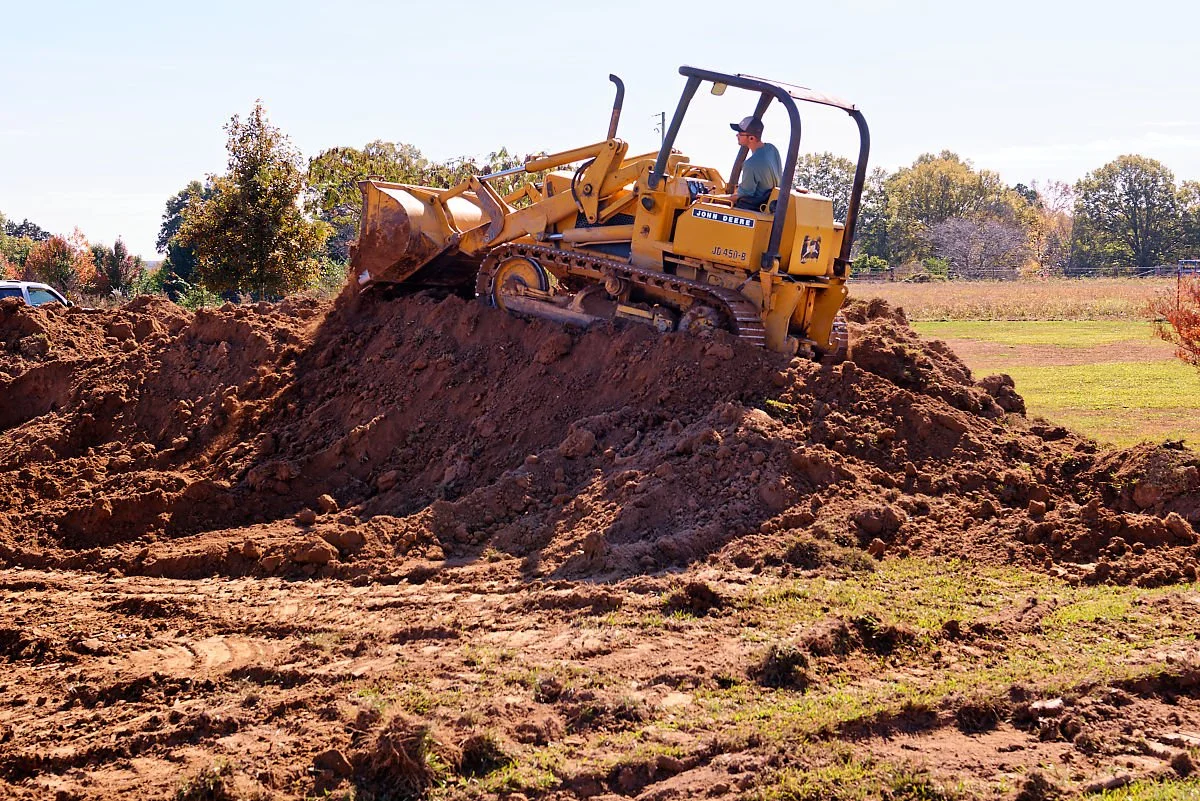
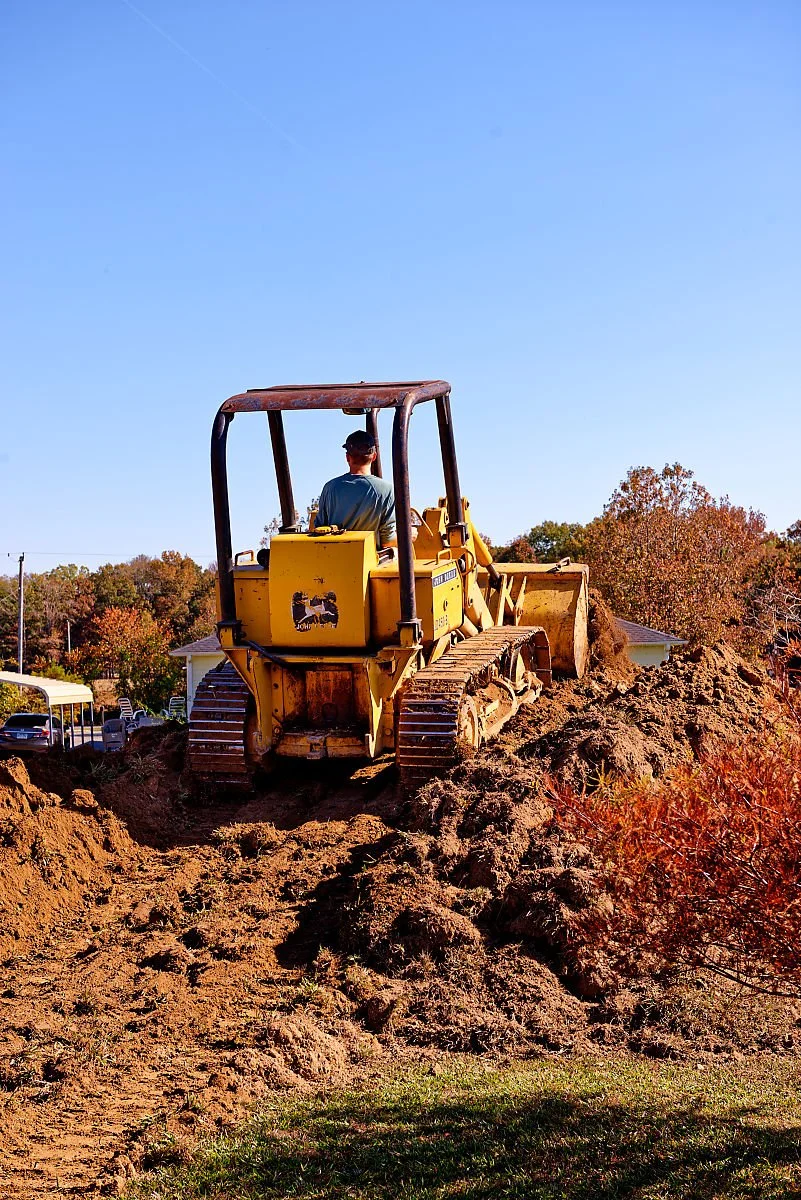
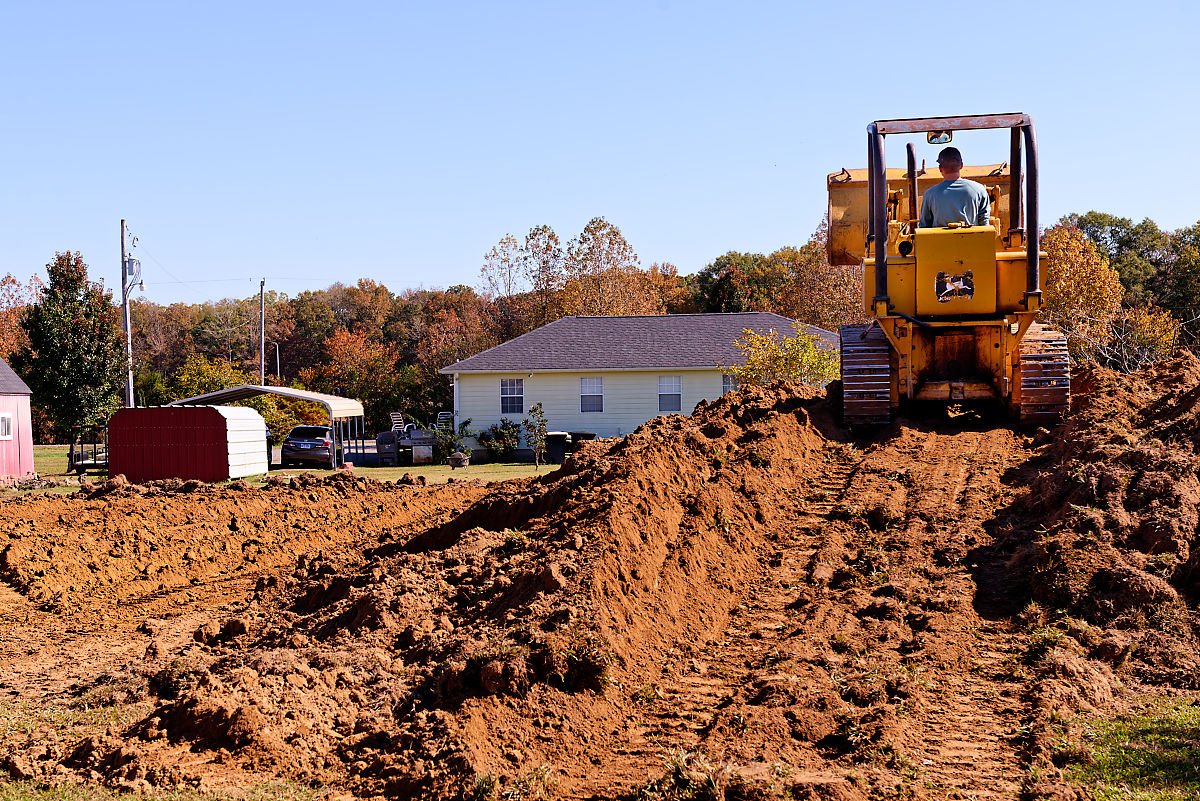
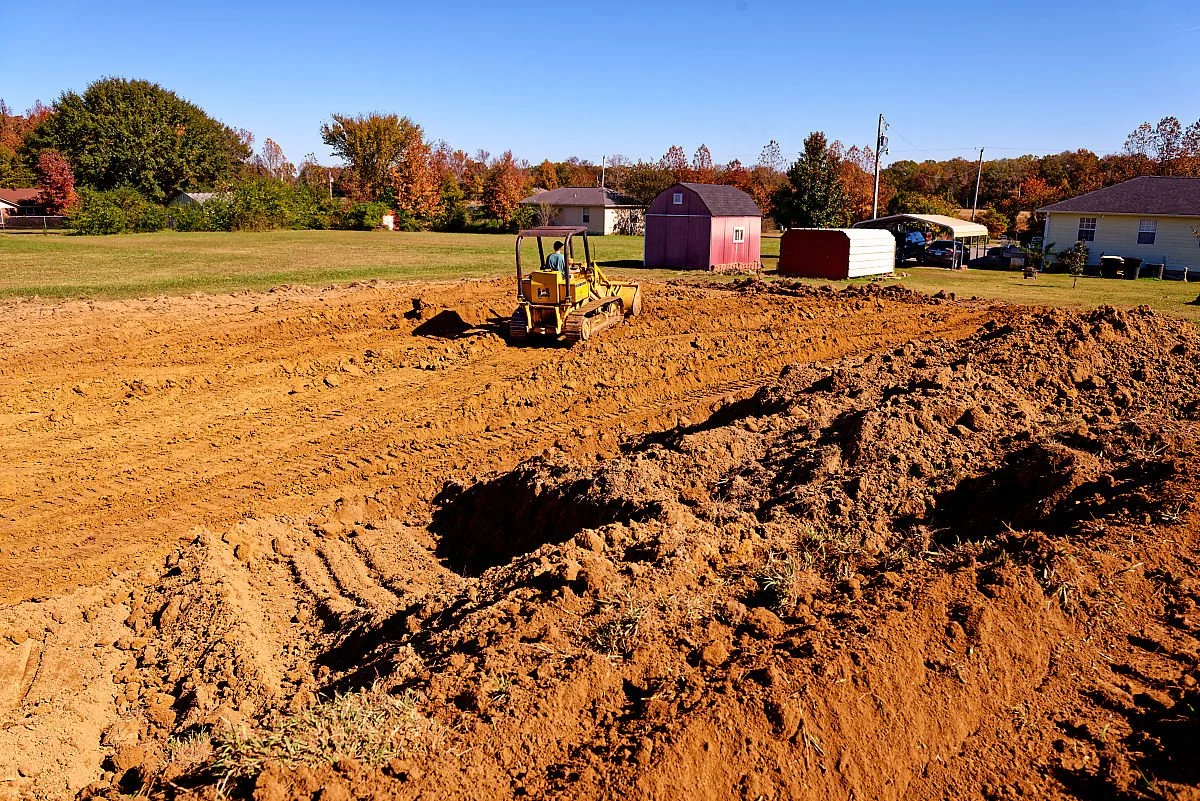
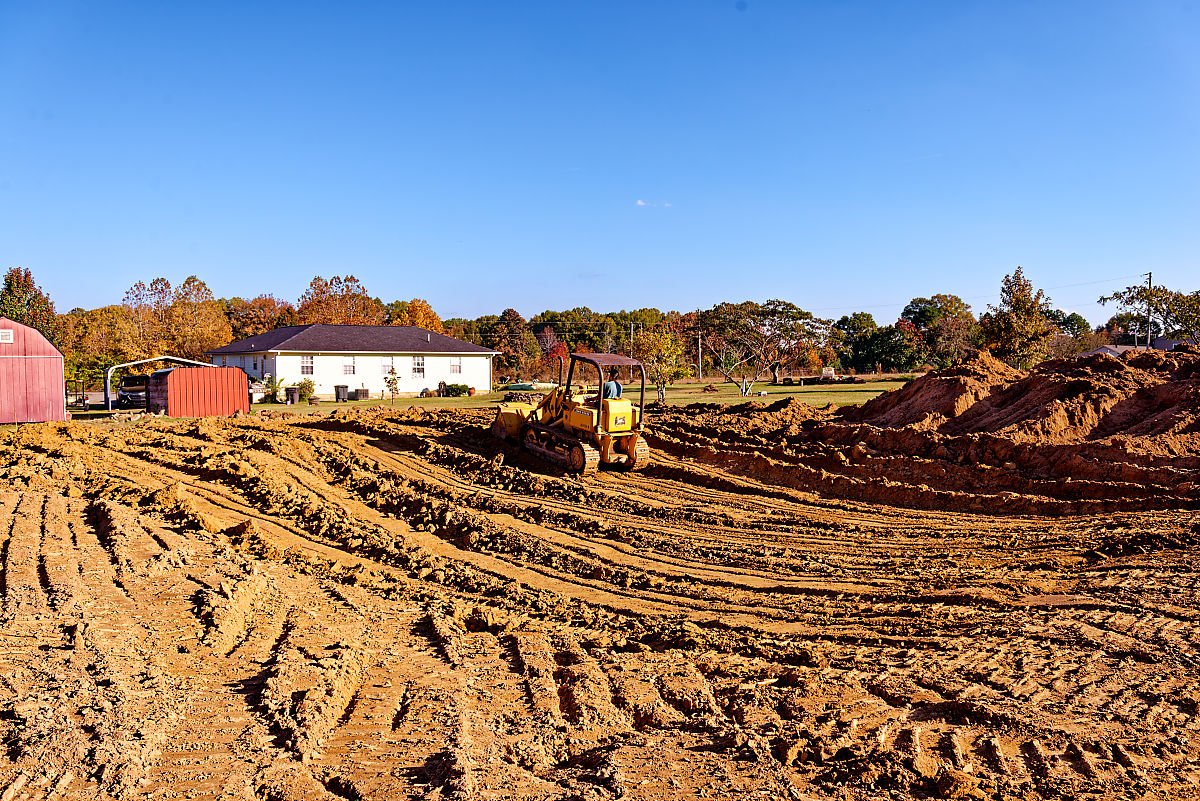
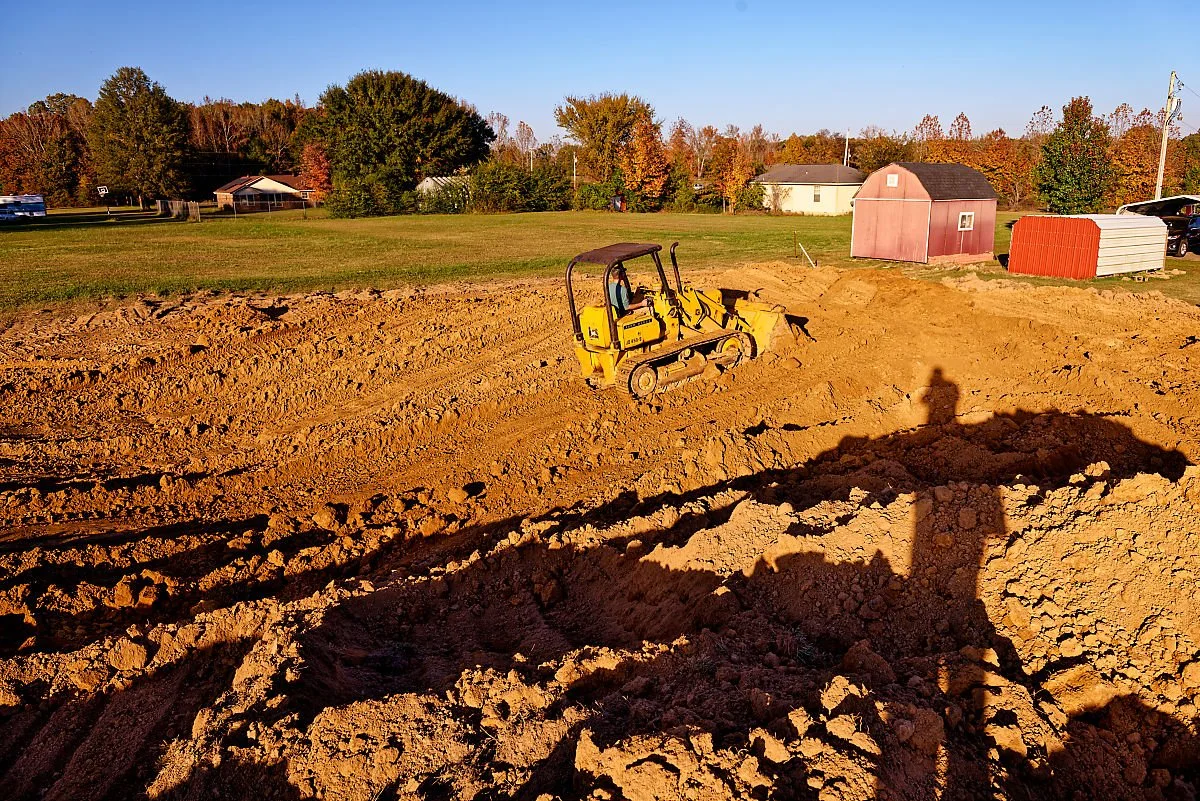
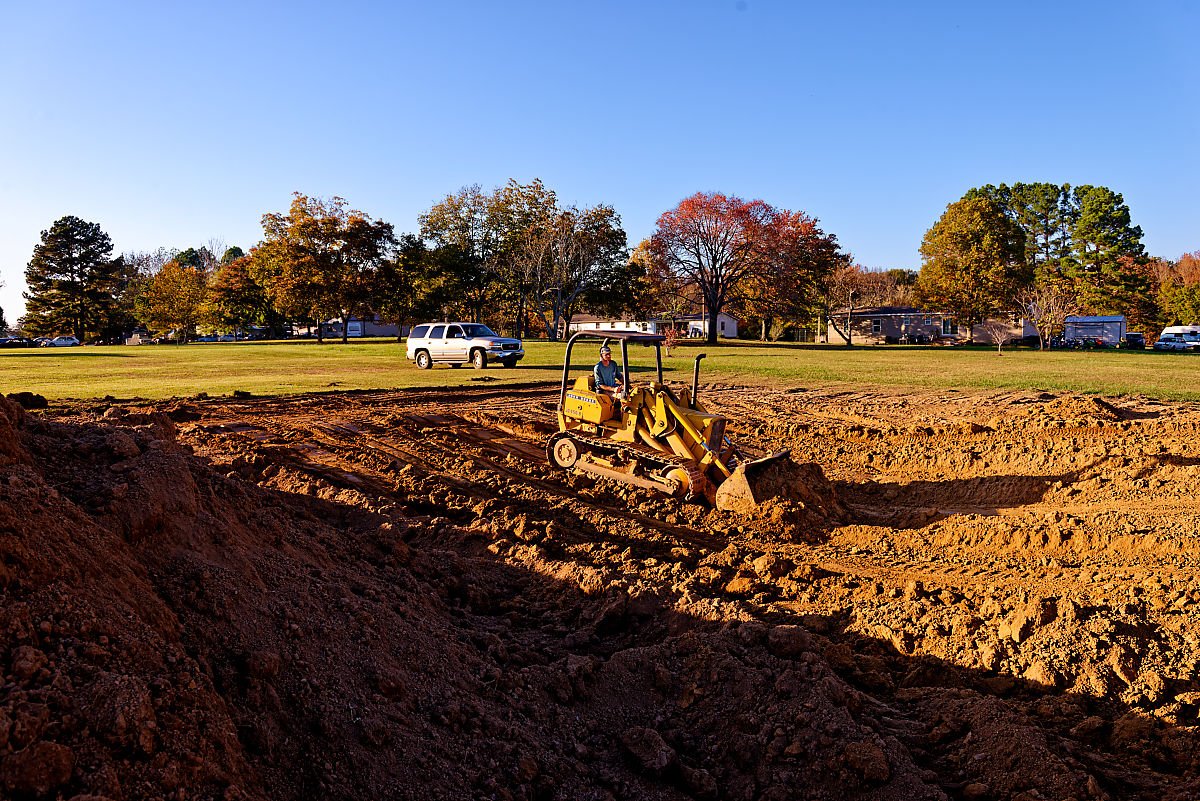
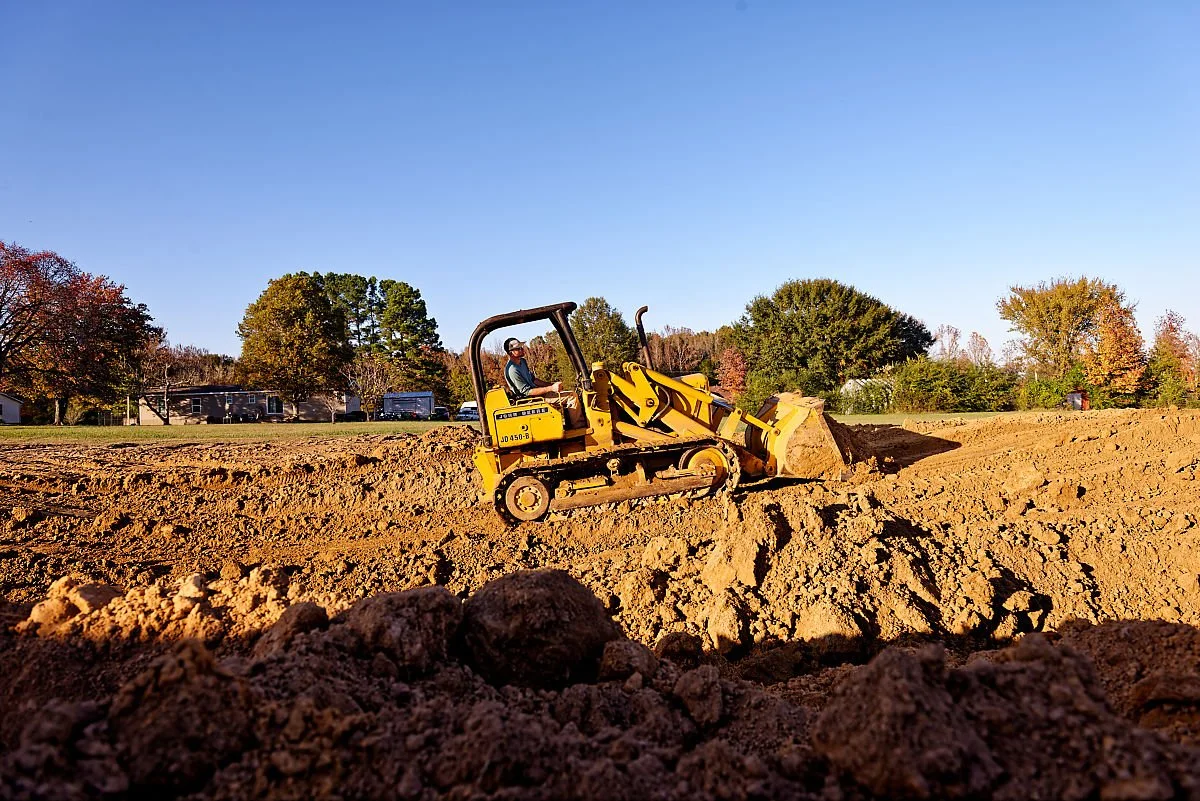
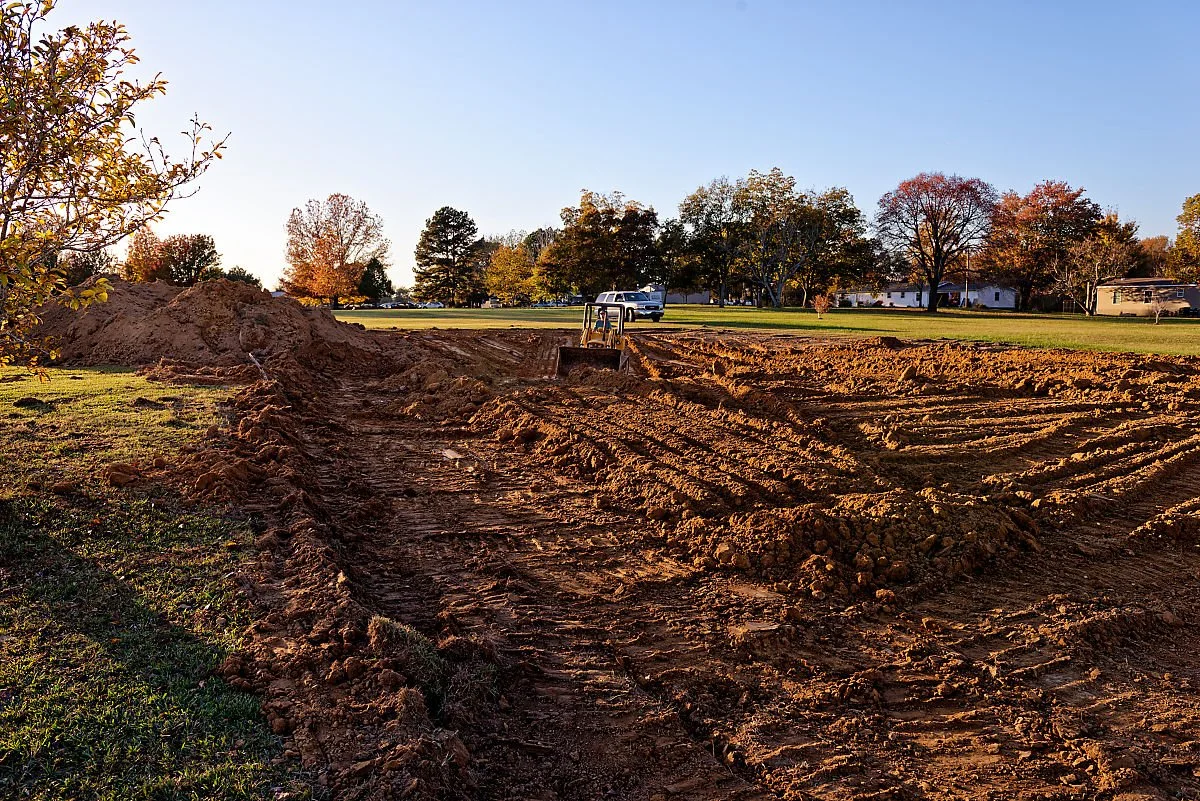
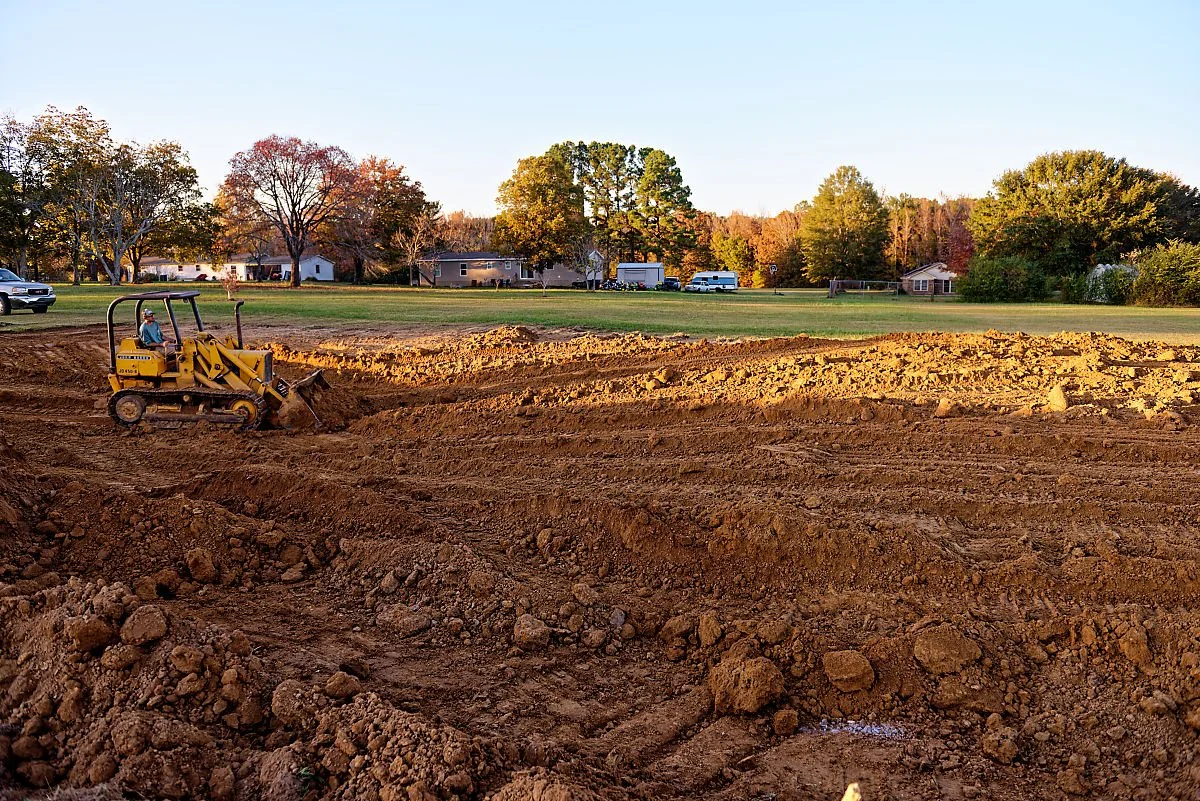
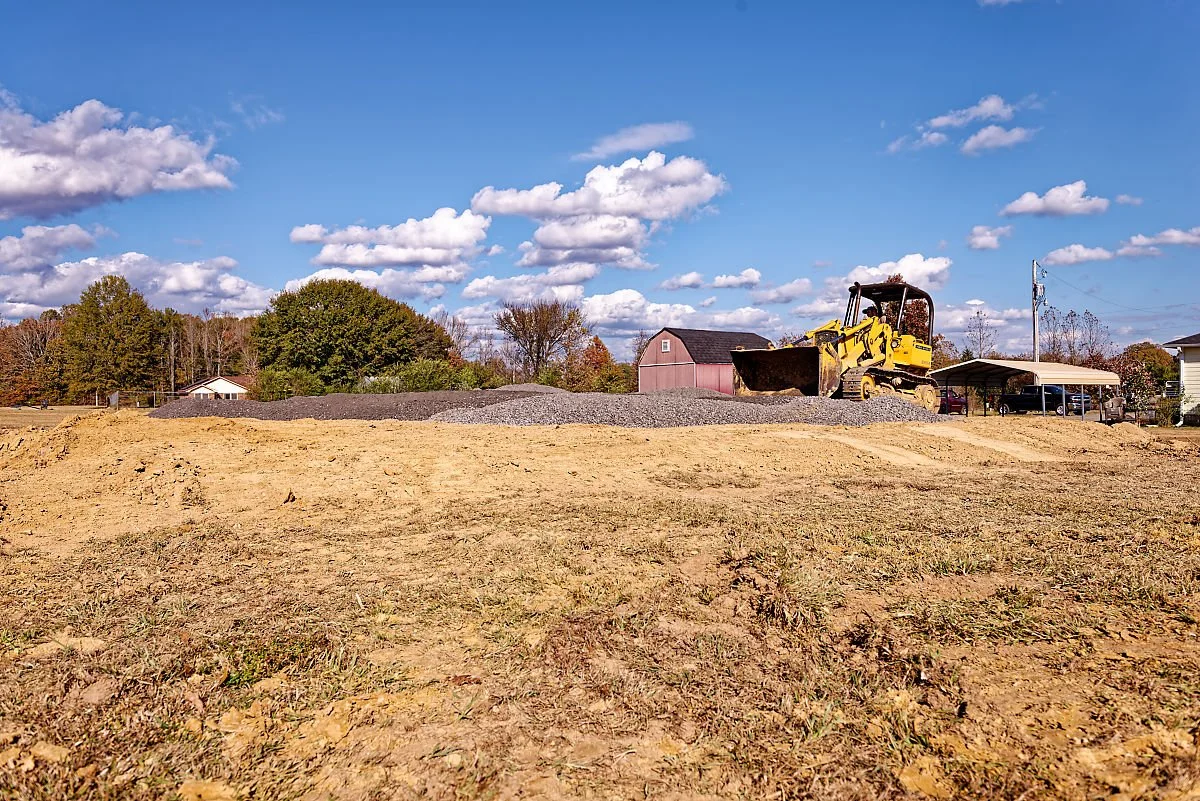
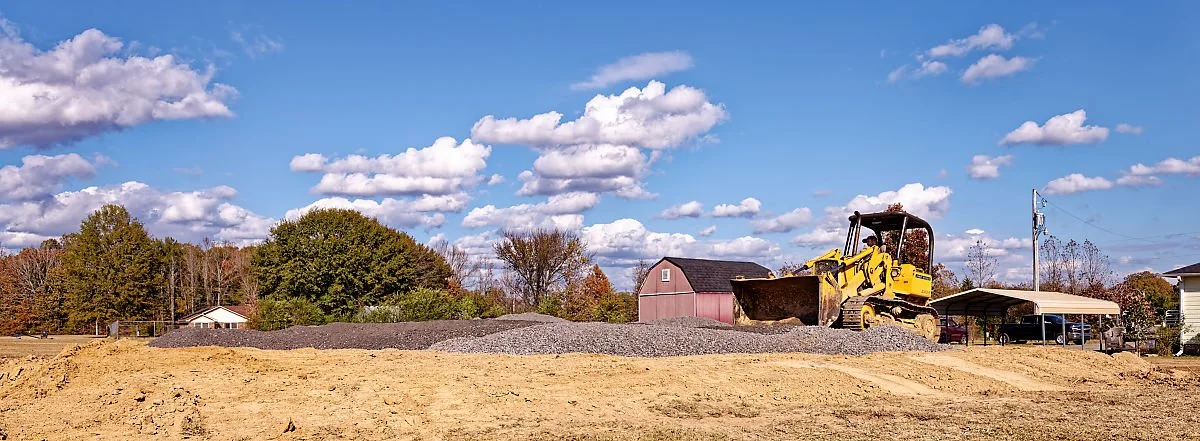
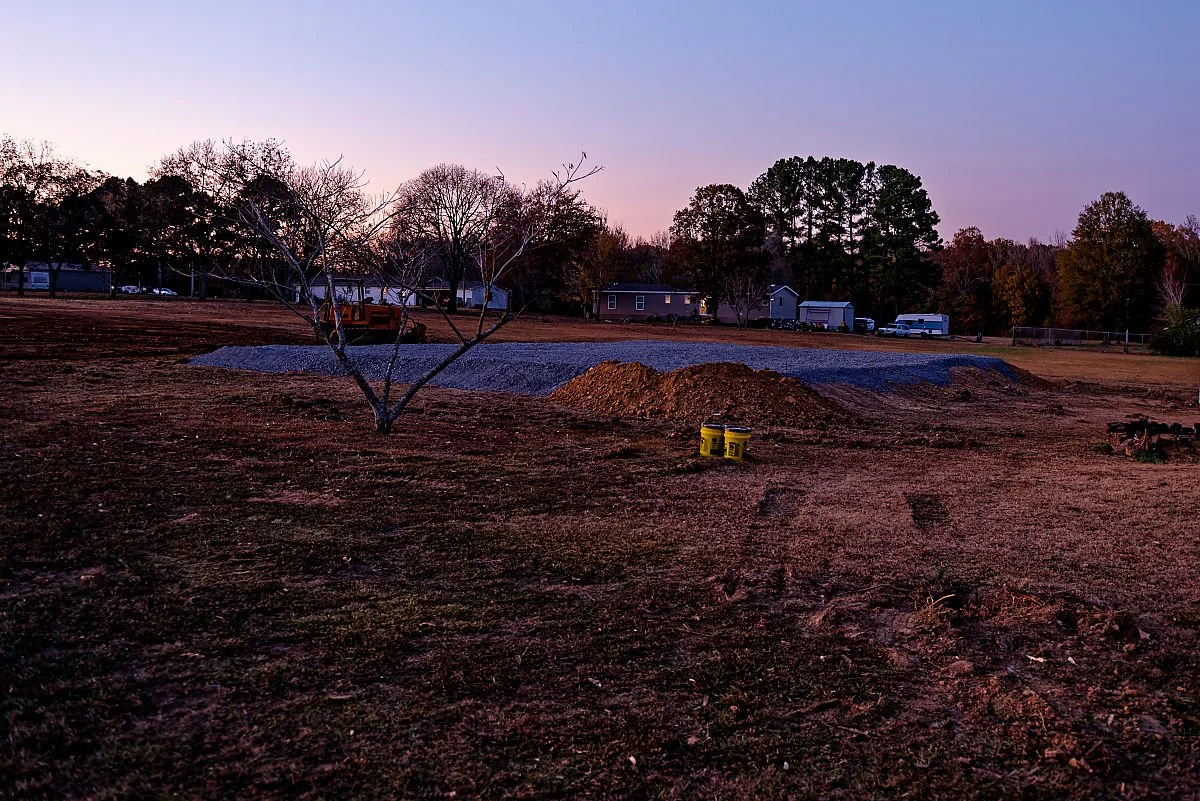
Thank you for reading! Take time to view the gallery below to see an example of a project that put all of the information above to use. Contact HHD if we can be of service to you!